
This step-by-step guide will show you how to check and add coolant to your 2016-2025 Volvo XC90, with tips and tricks specific to this vehicle.
______________________________________________________________________
⏱️When to Check: Monthly, every 3,000 miles, or before long trips.
______________________________________________________________________
Safety First when Checking and Adding Coolant
- Ensure the engine is cool before opening the coolant reservoir or radiator cap to avoid burns.
- Always work in a well-ventilated area.
Step-by-Step Guide
- Allow the engine to cool: Because the coolant will be very hot if the engine has been running, allow it to cool down before proceeding. Open the cap very slowly to release pressure if immediate access is necessary. (Volvo-2016-XC90-Owners-Manual-v3.Pdf, 2015, p. 495) Before you begin, ensure your Volvo XC90 is parked on a level surface, and the engine is turned off and cool. The coolant reservoir is under a lot of pressure when its contents are heated. For your safety, it is important only to check the coolant levels when your vehicle is cool; contents under pressure could shoot out if you need to remove the lid, resulting in chemical burns.

- Find and pull the hood release lever on the driver’s side near the floor.

- Go to the front of the vehicle, press the hood latch release, and lift the hood. The Volvo XC90 does not have a hood prop rod and should stay open independently.

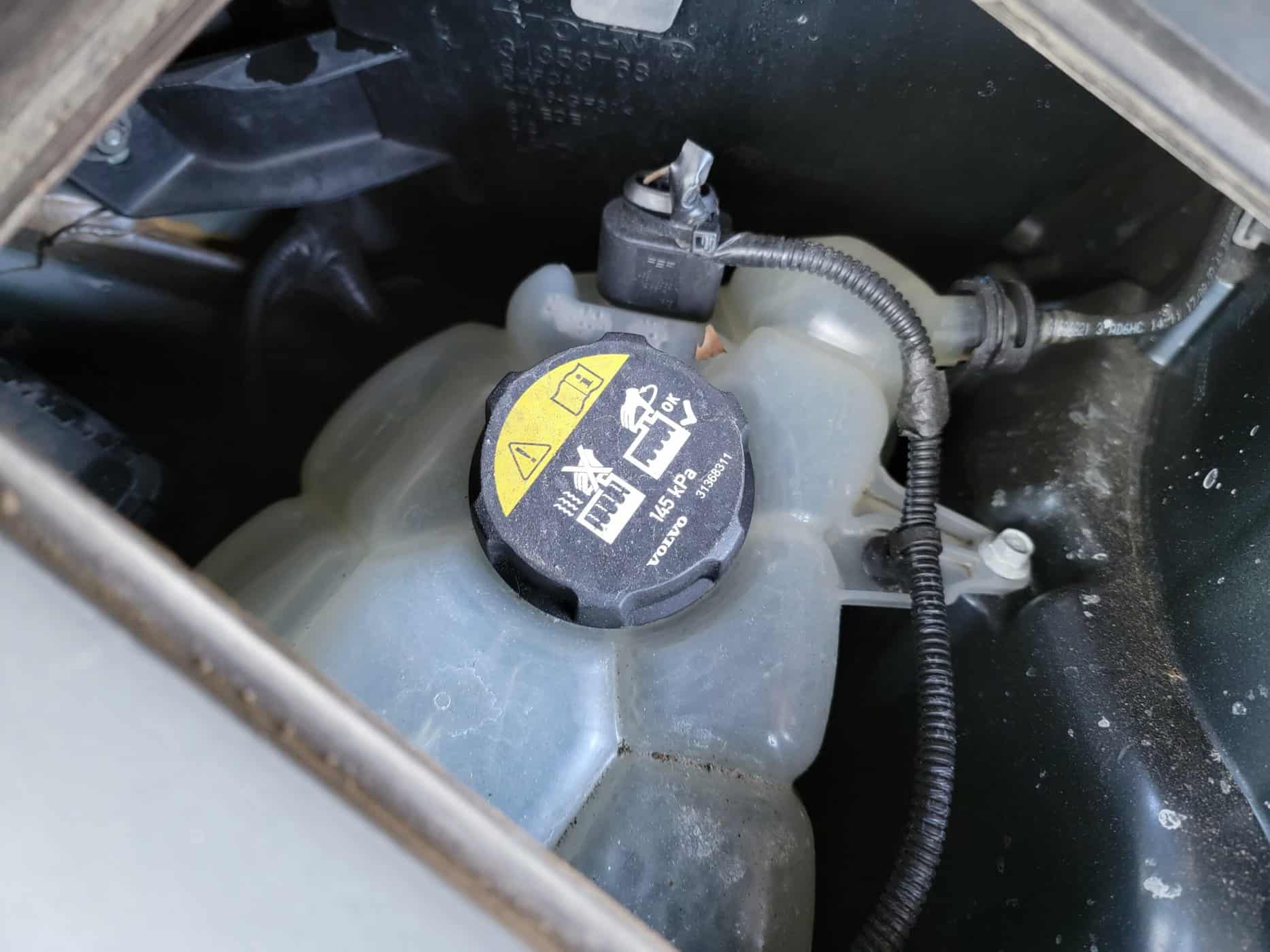
- Locate the coolant expansion tank: The engine compartment overview shows the location (page 531 of the manual). (Volvo-2016-XC90-Owners-Manual-v3.Pdf, 2015, p. 531)
 The coolant reservoir is typically located on the passenger side, behind a plastic panel. Remove the panel to reveal the coolant reservoir.
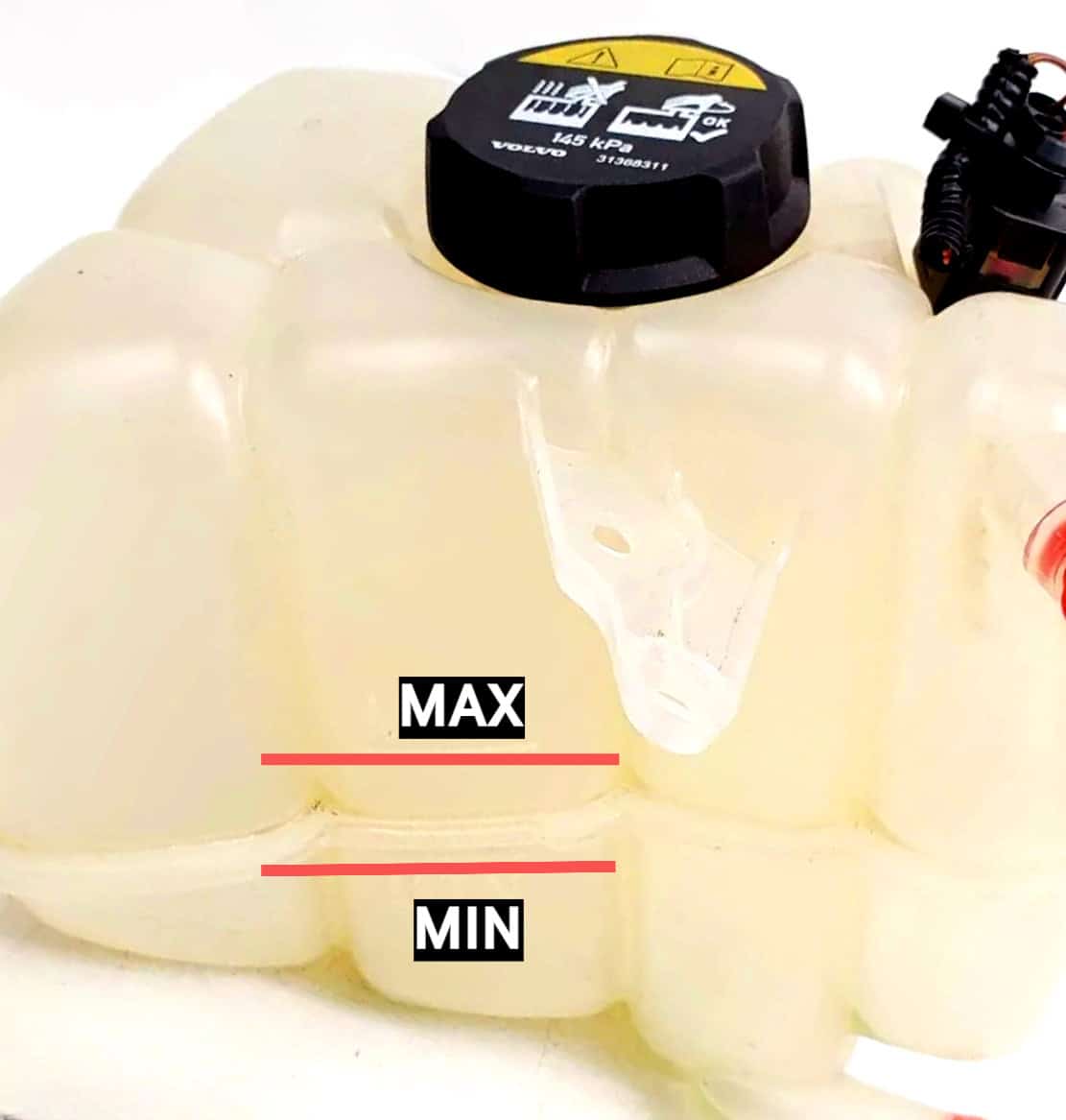
- Look for the coolant level markings inside the reservoir. Clean the cap and the area around it with a paper towel or microfiber cloth to prevent debris from getting inside. The level should be between the “MIN” and “MAX” lines.

👍Pro Tip: Ensure the engine is cool for the most accurate reading. - Add coolant. If the coolant level is below the “MIN” line, you will need to add more coolant. Add the recommended coolant in small increments using a funnel until the level reaches the “MAX” line. Replace the cap securely. Add coolant to the tank until the level is between the MIN and MAX marks. Use coolant with corrosion inhibitor mixed with water in a 50/50 ratio. The manual cautions against mixing different types of coolant. (Volvo-2016-XC90-Owners-Manual-v3.Pdf, 2015, p. 495), (Volvo-2016-XC90-Owners-Manual-v3.Pdf, 2015, p. 555)
👍Pro Tip: Do not overfill because it could cause pressure-related issues.
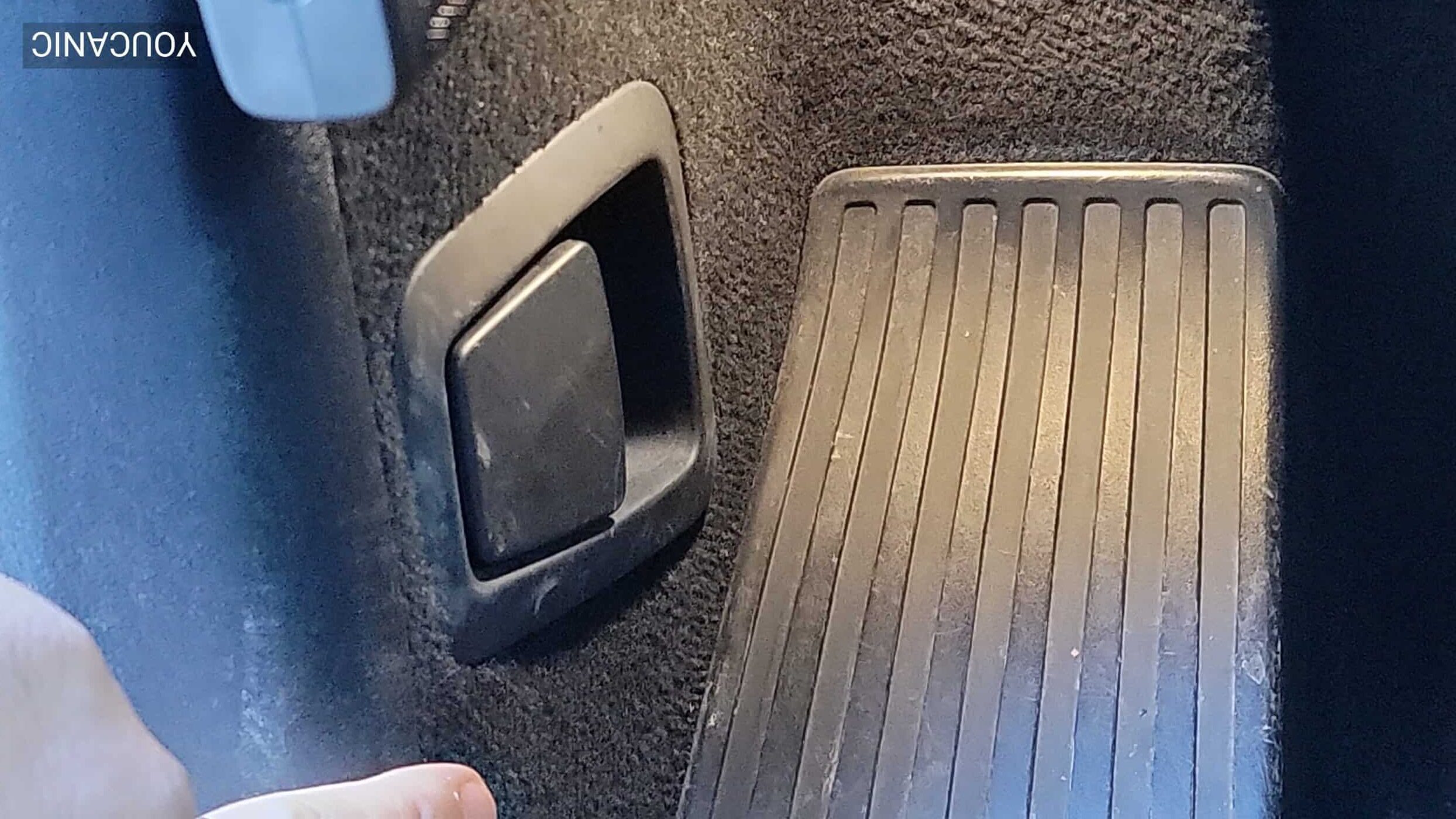
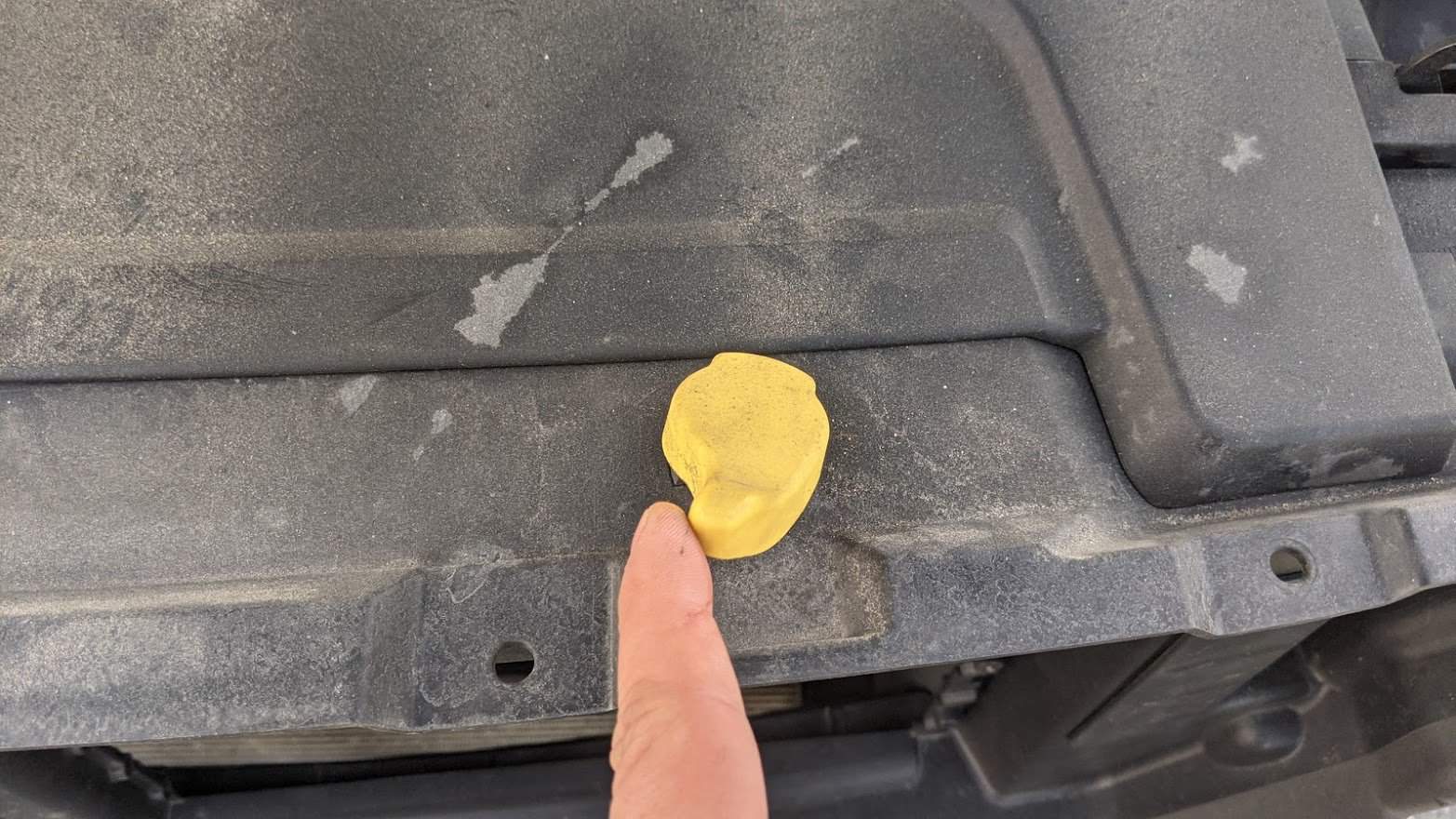
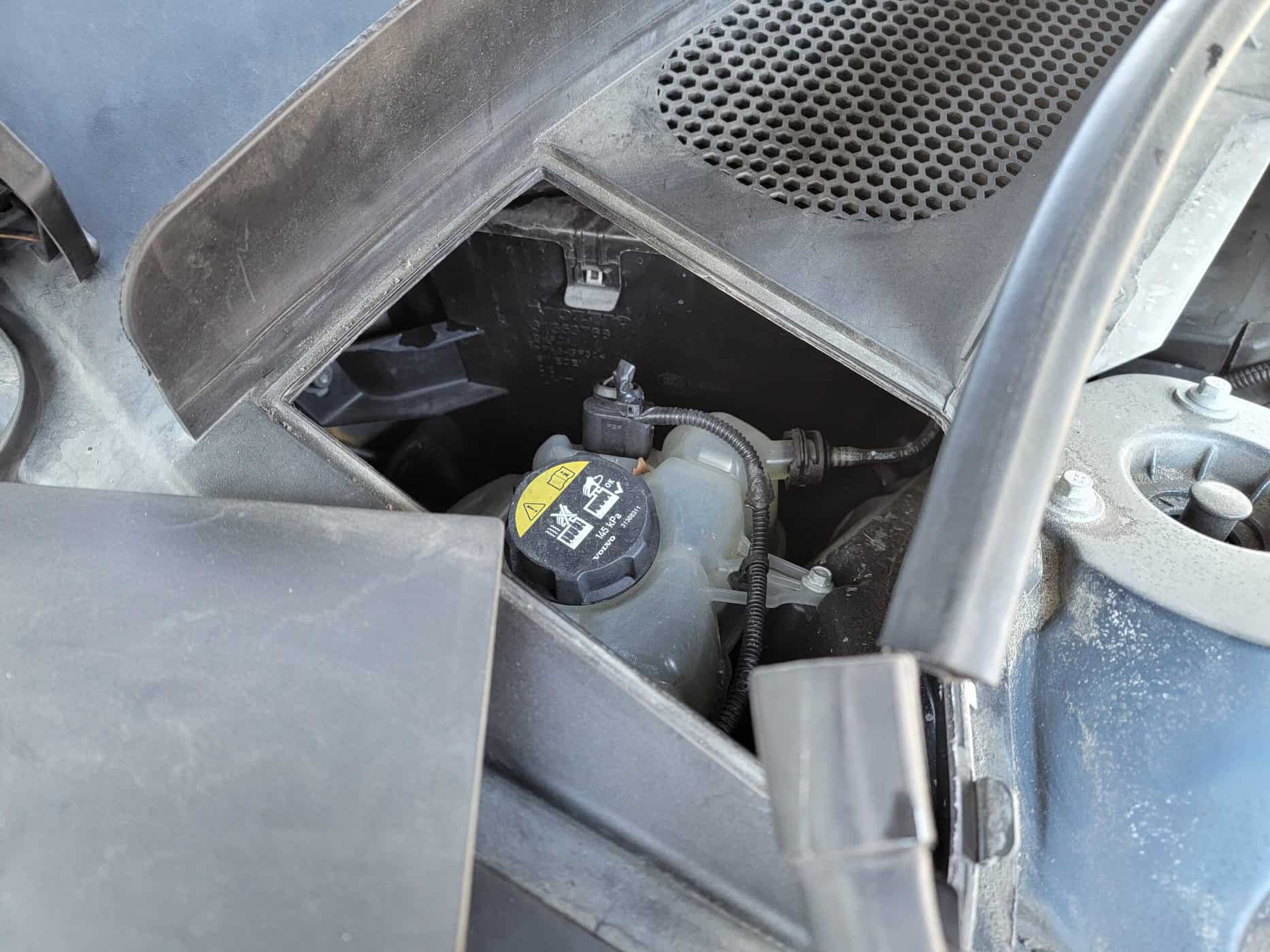 The coolant reservoir is typically located on the passenger side, behind a plastic panel. Remove the panel to reveal the coolant reservoir.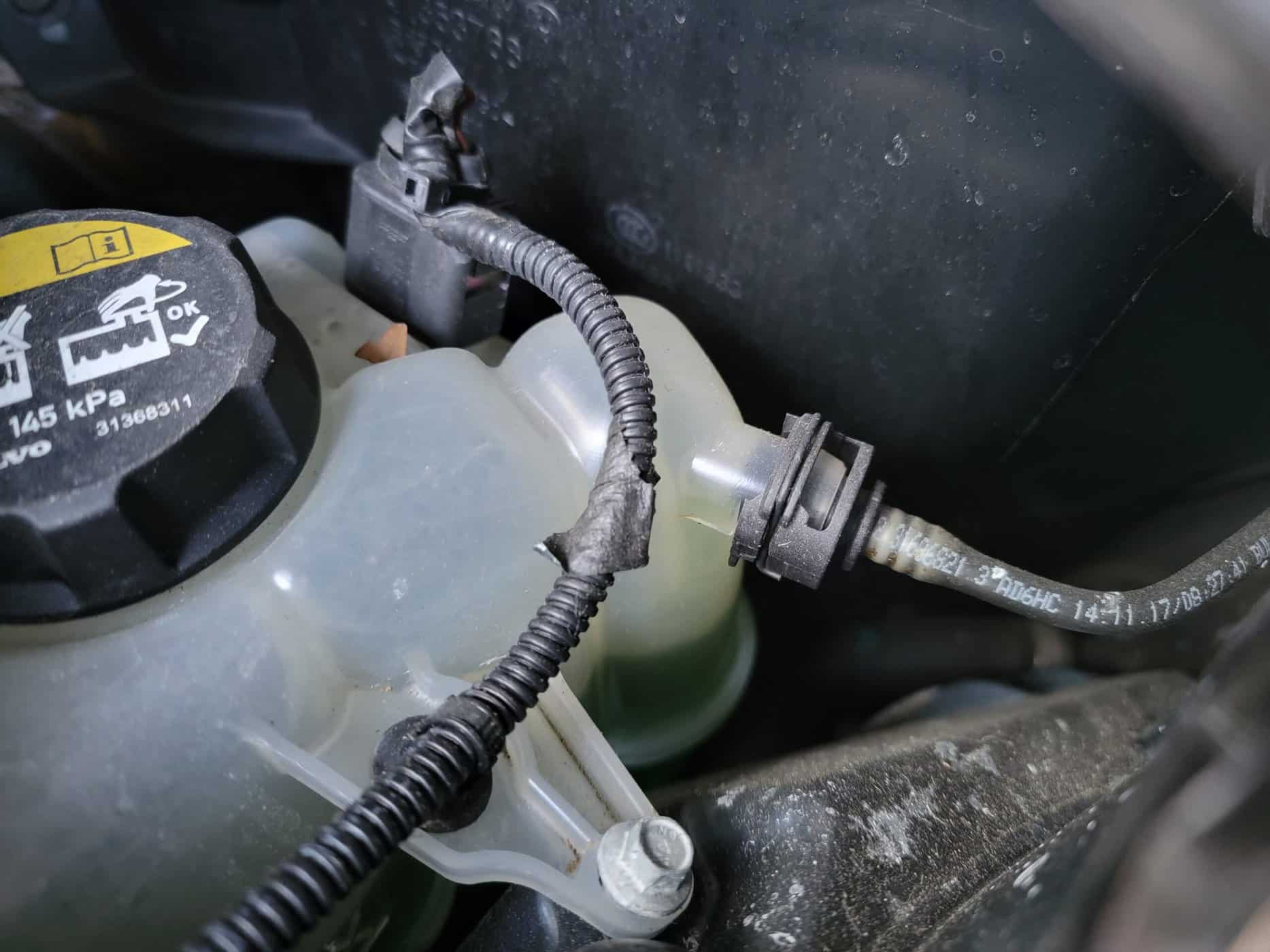
Required Coolant Type & Specifications
- Recommended Coolant: Organic Additive Technology (OAT) coolant mixed with water.
- Coolant Capacity: 7.5 liters Max
- Recommended Brands: Volvo
👍Pro Tip: Make sure the coolant is 50% water and 50% coolant, or use premixed coolant.
Additional Info
- Coolant Type: The manual strongly emphasizes using a coolant with a corrosion inhibitor mixed with water in a 50/50 ratio. Do not mix different types of coolant.(Volvo-2016-XC90-Owners-Manual-v3.Pdf, 2015, p. 350) Using only water is strongly discouraged due to the risk of freezing, corrosion, and engine damage.(Volvo-2016-XC90-Owners-Manual-v3.Pdf, 2015, p. 350) High levels of chlorine, chlorides, and other salts can also cause corrosion.(Volvo-2016-XC90-Owners-Manual-v3.Pdf, 2015, p. 350) Only use coolants with corrosion protection recommended by Volvo.(Volvo-2016-XC90-Owners-Manual-v3.Pdf, 2015, p. 350)
- Refilling Procedure: The manual describes the process of refilling the coolant expansion tank, but it does not describe how to visually check the coolant level. The process involves accessing the expansion tank (by removing a cover and possibly the tank itself), adding coolant to the level between the MIN and MAX marks, and then reassembling everything.(Volvo-2016-XC90-Owners-Manual-v3.Pdf, 2015, p. 350)
Remember that this information is based on the provided Volvo XC90 owner’s manual. Always consult your owner’s manual for the most accurate and up-to-date information specific to your vehicle.
Troubleshooting Tips
- If you notice Low coolant levels frequently, check for leaks.
- When to be concerned: Steam from the hood or frequent overheating.
- Common mistakes: Adding the wrong coolant type or overfilling.
When to Seek Professional Help
Consult a professional mechanic if:
- You notice a coolant leak under the car.
- The engine overheats after adding coolant.
- The coolant level drops rapidly.