
How to Replace Brake Caliper on 2007-2013 Chevy Silverado & GMC Sierra (GMT900 Chassis)
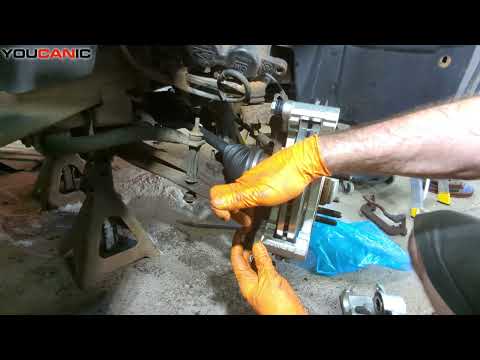
About this video
In this comprehensive guide, you’ll learn how to replace the brake caliper on a 2008 Chevrolet Silverado 1500. This tutorial is applicable to all 2007-2013 Chevrolet Silverado and GMC Sierra models built on the GMT900 platform. A failing brake caliper can lead to poor braking performance, uneven wear on brake pads, and reduced safety. Replacing a faulty caliper is essential to ensure your vehicle’s braking system functions properly.
Key Steps:
Gather Necessary Tools: You will need a socket wrench set, brake line wrench, C-clamp or caliper tool, and the new brake caliper.
Lift the Vehicle and Remove the Wheel: Safely lift the front or rear of the vehicle using a jack and secure it with jack stands. Remove the wheel to access the brake caliper.
Remove the Old Caliper: Use a socket wrench to remove the bolts securing the caliper to the bracket. Carefully slide the caliper off the rotor, making sure to support it so that the brake line doesn’t get strained.
Disconnect the Brake Line: Using a brake line wrench, carefully disconnect the brake line from the old caliper. Be prepared for some brake fluid to leak out—use a drain pan to catch it.
Install the New Caliper: Connect the brake line to the new caliper and tighten it securely. Slide the new caliper over the rotor and align it with the bracket. Reinstall the caliper bolts and tighten them to the manufacturer’s specified torque (typically around 20-30 ft-lbs).
Compress the Caliper Piston: If necessary, use a C-clamp or caliper tool to compress the caliper piston to ensure proper fitment with the new brake pads.
Reinstall the Wheel: After ensuring everything is secure, reinstall the wheel and lower the vehicle back to the ground.
Bleed the Brake System: To remove any air from the brake lines, bleed the brake system by having an assistant pump the brake pedal while you open and close the bleeder valve on the caliper. Repeat until you see a steady stream of fluid without bubbles.
Test the Brakes: Before driving, pump the brake pedal several times to seat the new caliper and ensure proper operation.
Common Symptoms Indicating Brake Caliper Replacement:
Uneven brake pad wear, with one pad wearing down significantly faster than the other.
Brake fluid leaks around the caliper.
Spongy or unresponsive brake pedal.
Grinding or squeaking noises when braking.
Vehicle pulling to one side during braking.
For more helpful tips and maintenance guides, visit YOUCANIC.com, your ultimate resource for automotive care and solutions.