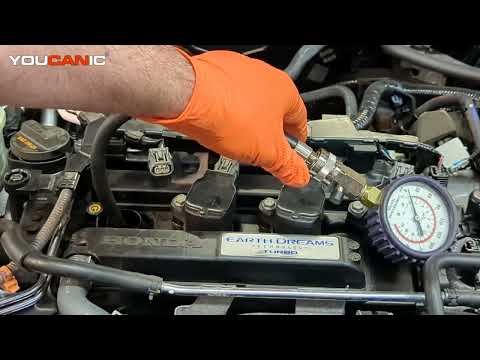
Engine Compression Testing Guide – How to Test Engine Compression
About this video
Buy YOUCANIC Pro Scanner
Get Factory Service Repair Manuals & Specs
Ask Car Questions & Get Help
https://www.youcanic.com/forum/ Learn how to test engine compression in this comprehensive guide. Engine compression testing is a crucial diagnostic procedure that helps determine the health and performance of your engine. Follow our step-by-step instructions and tips to accurately measure the compression levels in each cylinder of your vehicle. By understanding how to test engine compression, you can identify issues such as worn piston rings, valve problems, or head gasket failures. Improve your troubleshooting skills and ensure optimal engine performance by mastering the art of engine compression testing.
Symptoms of low compression:
Symptoms of low engine compression can vary depending on the severity and underlying cause. Here are some common signs to look out for:
Decreased Power and Performance: You may notice a significant loss of power, reduced acceleration, or difficulty maintaining speed, especially when climbing hills or under heavy load.
Misfires and Rough Idle: Low compression can lead to misfires, causing the engine to run unevenly or feel rough at idle. You may experience vibrations or hear unusual noises coming from the engine.
Hard Starting and Poor Cold-Weather Performance: Engines with low compression may struggle to start, particularly in colder temperatures. The vehicle may require multiple attempts before it starts, or it may take longer to reach a stable idle.
Excessive Oil Consumption: If the engine’s compression is low, it can result in oil leakage or consumption. You may notice a significant decrease in oil levels between oil changes or observe blue smoke coming from the exhaust due to oil burning.
Poor Fuel Economy: Reduced compression can impact the engine’s efficiency, leading to increased fuel consumption. You may find yourself refueling more frequently without any noticeable changes in driving habits.
Overheating: In some cases, low compression can contribute to engine overheating. The combustion process may not be as efficient, causing the engine to generate excess heat, leading to higher operating temperatures.
It’s important to note that these symptoms can also indicate other engine problems. If you suspect low engine compression, it’s best to have a professional mechanic perform a proper compression test to diagnose the issue accurately.