
Why You Should Never Keep Vehicle Powered up When Replacing the Battery
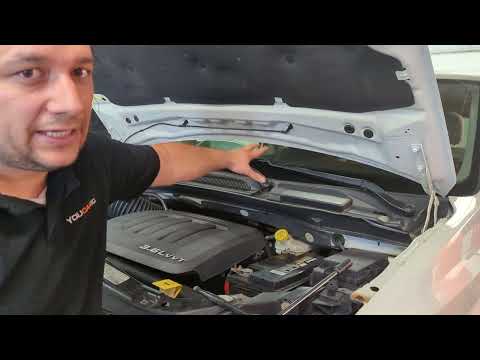
About this video
Buy YOUCANIC Pro Scanner
Get Factory Service Repair Manuals & Specs
Ask Car Questions & Get Help
https://www.youcanic.com/forum/ Keeping a vehicle powered up with a jump box while replacing the battery can be risky and should generally be avoided. Here are some important reasons why:
Electrical system damage: Jump boxes provide a high amount of electrical current to start a vehicle. However, they are not designed to provide a stable and regulated power supply for the vehicle’s electrical system. Connecting a jump box to the vehicle’s electrical system during battery replacement can result in voltage spikes or fluctuations, which may damage sensitive electronic components like the ECU (Engine Control Unit) or other modules.
Safety hazards: Jump boxes typically have exposed electrical terminals or cables. If these terminals accidentally come into contact with metal parts or other conductive surfaces while the vehicle is being worked on, it can cause electrical shorts, sparks, or even electrical fires. This poses a significant safety risk to the technician and the vehicle.
Unstable power supply: Jump boxes are primarily designed to provide a burst of power to start a vehicle’s engine. They are not meant to provide a continuous and stable power source for the vehicle’s electrical system. Keeping the vehicle powered up with a jump box during battery replacement may result in inconsistent or inadequate power supply, leading to potential issues with electrical components and systems.
Risk of accidental engagement: When working on a vehicle’s electrical system or battery, it’s common practice to disconnect the negative terminal of the battery to prevent accidental engagement of electrical circuits. However, if the jump box is connected and providing power, accidental contact between tools or other metal objects and electrical connections can cause sparks, shorts, or damage to the vehicle’s electrical system.
Loss of control: During battery replacement, it’s important to have complete control over the electrical power supply to avoid any unexpected events or system malfunctions. Relying on a jump box for power introduces an additional variable that may not be easily manageable or predictable, increasing the risk of errors or complications during the replacement process.
If you accidentally short the positive terminal when replacing a battery, several potential consequences can occur:
Electrical sparks: A short circuit between the positive terminal and any grounded metal surface can cause electrical sparks. These sparks can pose a fire hazard if they come into contact with flammable materials, such as fuel or other combustible substances.
Damage to the electrical system: A short circuit creates a sudden surge of electrical current. This surge can damage various components within the vehicle’s electrical system, such as fuses, relays, wiring harnesses, and sensitive electronic modules. The extent of the damage can vary depending on the severity of the short circuit and the affected components.
Electrical system malfunction: A short circuit can disrupt the normal operation of the vehicle’s electrical system. It can cause electrical systems to malfunction or behave erratically. For example, lights may flicker, dashboard warning lights may illuminate, or certain functions may not work as expected.
Battery damage: In some cases, a short circuit can cause damage to the battery itself. The high current flow can lead to overheating, which can potentially cause the battery to leak, swell, or even rupture.
Personal injury risk: When a short circuit occurs, there is a risk of injury due to electrical shocks or burns. It is important to exercise caution and wear appropriate protective gear, such as gloves and safety glasses, when working on a vehicle’s electrical system.
If you accidentally short the positive terminal, it is crucial to address the situation promptly and safely. Take the following steps:
Disconnect the power source: If possible, disconnect the battery or the power source supplying power to the vehicle immediately. This will help prevent further damage and minimize the risk of electrical shocks or sparks.
Inspect for damage: Assess the extent of the damage caused by the short circuit. Look for signs of melted insulation, burnt wires, or damaged components. If you notice any significant damage, it is advisable to seek professional assistance for repairs.
Replace damaged components: If any components are visibly damaged, they may need to be replaced. Faulty fuses, relays, or wiring should be identified and replaced with the appropriate parts to restore the electrical system’s functionality.