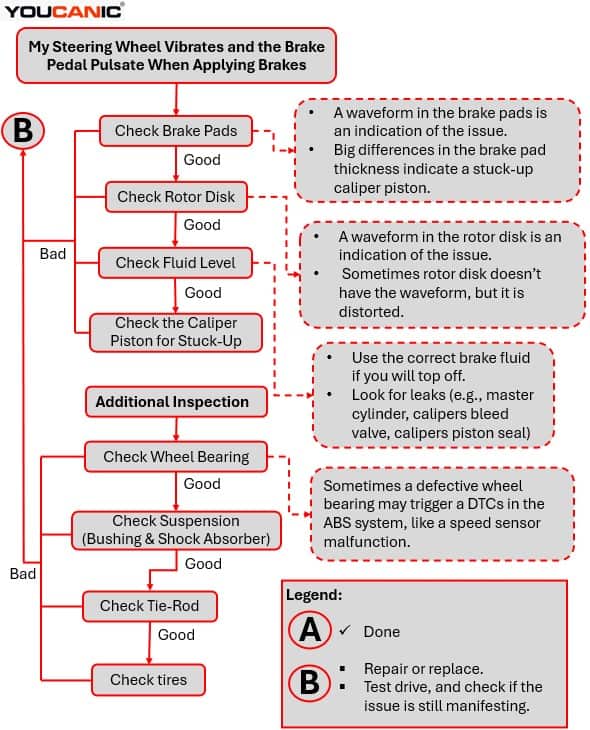
If it feels like your steering wheel or brake pedal is vibrating while driving, there is an issue with the brake system in your Volvo, which can lead to an uncomfortable and unsafe driving experience.
What Does the Issue Mean?
Steering and braking are critical functions in your vehicle. If you are experiencing issues with either of these systems, you must fix the problem immediately to keep you and other drivers on the road safe. The suspension and other related components should be included in your inspection since they are connected to the brake system.
⚠️ Why You Should Fix It ASAP:
Safety RiskThis vibration issue may lead to road accidents.
Performance IssuesThis will cause insufficient braking performance and unstable steering wheel maneuvering when braking.
Costly Repairs if IgnoredIgnoring this issue may cause more damage to your vehicle’s suspension, steering, and brake systems and could lead to an accident. The estimated cost of repair starts from $200 to $1500.
Common Causes
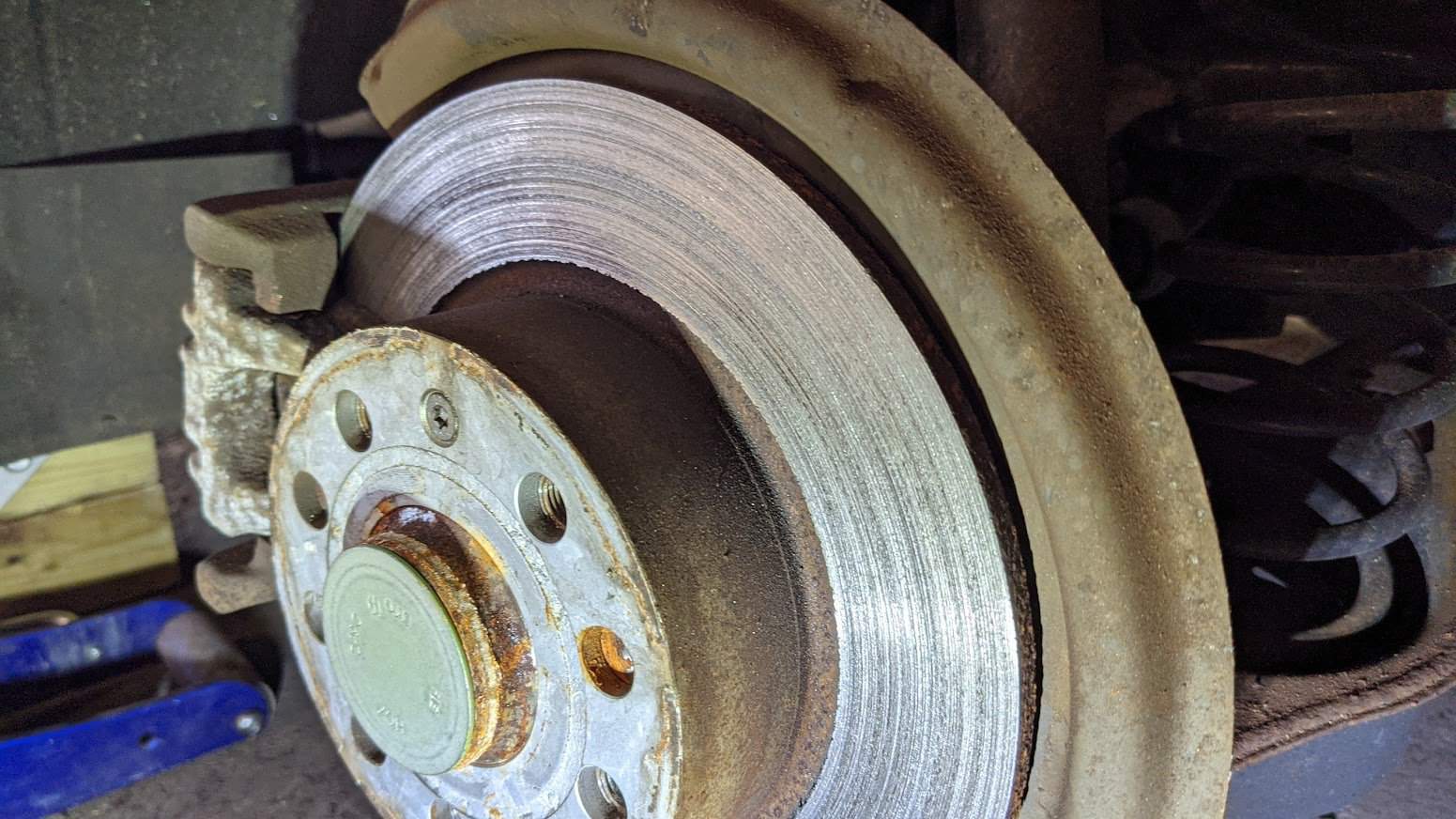
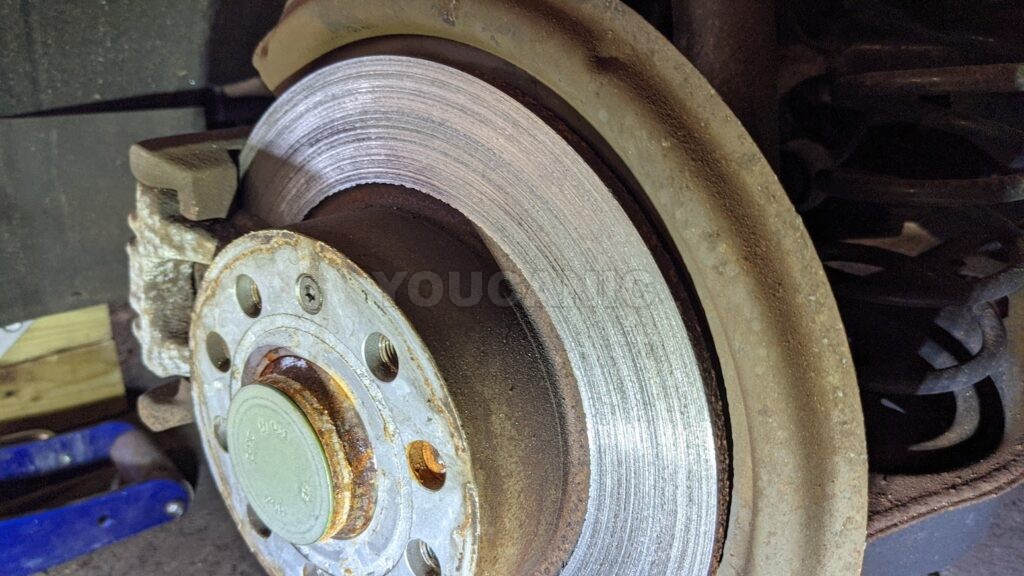
⚠️ Abnormal Rotor Disk Wear Patterns: Abnormal wear on your rotor disk is caused by foreign objects like small rocks and pieces of metal stuck between the brake pads and the rotor. Often, these objects are hard enough to create ridges in the rotor disk.
From a USA company built by car enthusiasts for car owners.
⚠️ Abnormal Wear of Brake Pads: Faulty brake systems can cause abnormal wear on the brake pads. Inspection and evaluation are needed to find out the exact cause.
⚠️ Siezed Brake CaliperPiston : Insufficient lubrication or aging may cause the caliper piston to stick. Regular inspection and maintenance of your brake system are necessary to avoid trouble with the brake system and calipers.
⚠️Abnormal Tire Wear: Uneven tire wear may be caused by low tire pressure or misalignment. Bad tires can cause a wiggle in your steering, making your car drift to the left or right.
⚠️Worn-Out Bushings or Shock Absorbers: Worn-out bushings or defective shock absorbers may affect the vehicle’s driving performance. It will also sometimes affect the alignment, leading to abnormal tire wear.
⚠️Loose Bolts and Nuts: Loose bolts and nuts may cause the vehicle to wiggle, creating unusual sounds, and may fail to keep parts intact, leading to more damage.
🛠️ Pro Tip: Use an OBD-II scanner to check for error codes.
Common Symptoms
The Steering Wheel Vibrates when the Brake Pedal is Pressed: This will happen if the rotor disk and brake pads wear out unevenly. The suspension, steering, and brake systems are all connected. When something in one of these systems malfunctions, it can affect the other systems it is linked to, causing odd noises or vibrations.
The brake Pedal Vibrates or has a Pulsation Feel when Applied: Unusual wear patterns on the rotor disk are transferred to the brake pedal, making it vibrate.
Unusual Sound when Applying the Brake: A bad brake pad or rotor disk will create an unusual sound. Inspect immediately, as this may lead to more damage if ignored.
🔧 Troubleshooting
Before taking your car to a mechanic, try these DIY fixes:
Brake Pad Inspection : The brake pad inspection must be done every service interval. Make sure the pads are in good condition so you can drive the vehicle safely to your destination. Check your owner’s manual for the minimum thickness of the brake pad. You can check the quality of your brake pads online using the YOUCANIC brake pads wear calculator.
Rotor Disk Inspection: Use a dial gauge to check the wear, perform refacing to correct the issue, and smooth out your rotor disk. Check for the minimum thickness of the rotor disk in your owner’s manual. If the measurement is below the minimum, the disk must be replaced as soon as possible. Example:The new rotor disk thickness is 25 mm, the minimum thickness is 23 mm, and the allowable face wear is 1mm. After refacing, you will have a thickness of 24mm, which is still acceptable and safe. Check your owner’s manual for the correct specifications.
Checking the Parts: Using non-genuine parts can cause the problem. To avoid problems while driving, it is recommended to use genuine Volvo parts because they will always meet the exact specifications. While non-genuine parts can be cheaper, if you do not know what types of materials are best suited for your vehicle, it can result in uneven wear or other problems. Ceramic pads wear out faster but will not damage your rotor disk and can give you a smoother braking experience. At the same time, semi-metallic has a better braking performance but can create issues like abnormal wear of the rotor disk and unusual sound.
Check the Brake Fluid Level and Condition: Check the brake fluid level, ensuring it is between the “MIN” and “MAX” lines. If the level is near or below the “MIN” line, top it off using the correct fluid type for your vehicle. Inspect the quality of the brake fluid by checking the color. If the brake fluid looks brown or if you see contaminants in the reservoir, take your vehicle to the dealership or a trusted mechanic to have the system flushed. Check your owner’s manual or the brake cap fluid reservoir for the correct specifications.
Brake Fluid Leak Inspection: Check for any sign of a brake fluid leak. This may not be the cause of the vibration or pulsation issue, but regularly checking for leaks is important for your safety.
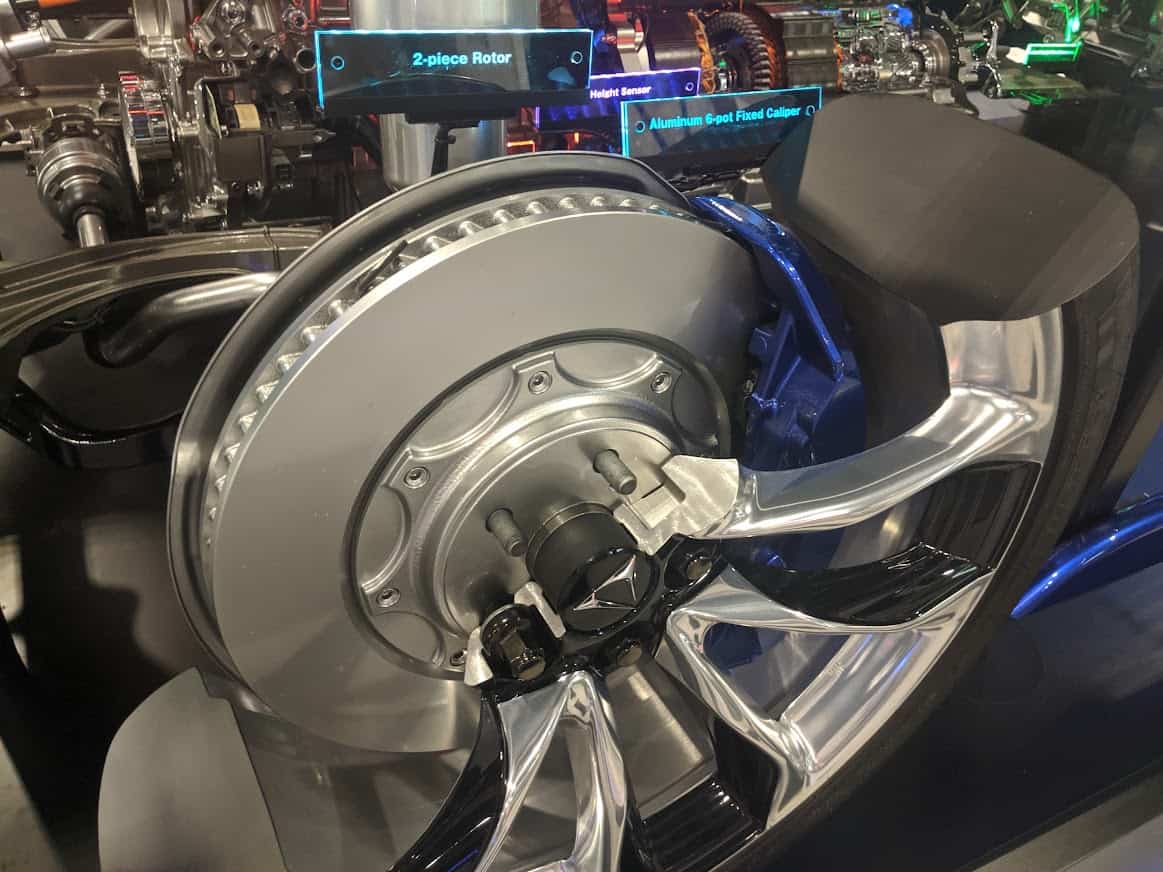
Check the Caliper Pistons: Every time you perform brake cleaning or inspection, include lubricating and checking the mobility of the brake caliper pistons by just pushing them in. If it does not move easily, this may indicate a seized caliper piston. We have two types of brake calipers: the “float type” and “fixed type.” Both function the same. The fixed type is typically used in high-performance vehicles that need strong braking, while the float types are more commonly found in passenger cars, which have a sleeve that needs to be inspected and lubricated regularly. This sleeve can sometimes get stuck.
Check Tire Condition: Check the tire wear condition and tire pressure. Perform a test drive and check if you need to perform wheel alignment to adjust the toe-in and toe-out, camber, and caster. Newer vehicle models now require occasional steering calibration services. We recommend performing the calibration before the wheel alignment.
Tighten Loose Nuts and Bolts: Loose bolts can cause wiggling that can be felt in the steering or the vehicle body when driving. Make sure the nuts and bolts are all appropriately tightened using a torque wrench. Check your owner’s manual for the correct specification (e.g., 140 NM). Over-tightening can damage the threads.
Check the Wheel Bearings: A damaged bearing may create a humming sound that will affect the steering, cause steering irregularities, or damage the rotor disk. To check if the bearings are in good condition, you need to lift the vehicle at least 2 inches from the ground and get a rebar to check. If there is excessive give, this may indicate a faulty bearing.
Check Tie Rod: Check the condition of the tie rod. Look for visible signs of damage. Lift the vehicle, and move the tire slowly by turning it left and right. While doing this, have someone else hold the inner and outer parts of the tie rod and feel for vibrations. If it is vibrating excessively, vibration, the tie rod will need to be replaced. Excessive play or vibration may also cause the steering to wiggle with or without braking.
Check Shock Absorber and Bushing: They are not the cause of the vibrating steering wheel and brake pedal, but a faulty shock absorber can lead to other components becoming misaligned. A defective shock absorber may lead to the vehicle plunging when the brake is applied.
Bleeding the brake system may include repairing the brake caliper or changing the brake fluid.
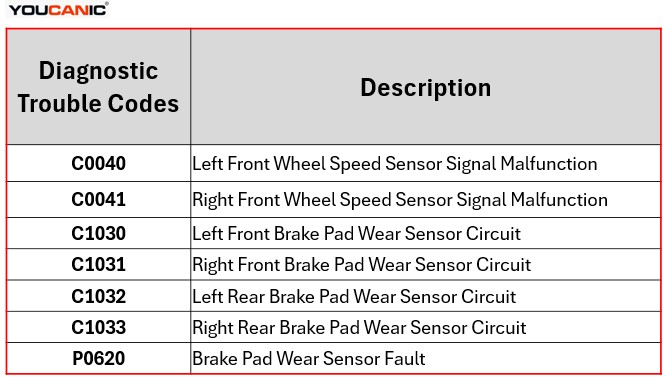
Having trouble looking for fault codes related to the ABS? Watch our video, “Volvo Full System Health Check” to scan and read diagnostic trouble codes (DTCs) like a Pro!
Common OBD2 Fault Codes
Note: Sometimes, the issue may not register a DTC.
FAQs
What causes the abnormal wear run out of a rotor disk?
➡️ Abnormal wear can be caused by a number of things. Small particles can get stuck between the rotor disk and brake pads, creating waves in the disk, especially if that is a small rock or piece of metal. Using non-genuine brake pads or brake pads made of a harder material can also cause this issue.
Why does my steering and brake pedal vibrate without this abnormal wear run-out on my rotor disk?
➡️ Your rotor disk could be distorted or bent out of shape. Distortion happens if the rotor disk gets too hot and gets wet, causing warping.
Why my brake pads wear are not the same?
➡️ Having uneven wear patterns on brake pads is not normal. This typically happens because the brake piston or sleeve is seized. It is expected for the inner pads to have a little more wear than the outer pads, but minimal only, especially if the caliper is a float type. For example, the inner pad is 3mm, and the outer pad is 4 mm. This is because the brake fluid pushes first the piston, which is where the inner pad is located, and the sleeve may move mechanically once it is forced.
Does the brake pulsation affect my braking performance?
➡️ Yes, your brake system may experience backing fluid force, leading to insufficient braking performance.
Does the rear rotor disk also cause the steering vibration issue?
➡️ No, only the rotor disk in the front is causing the issue.
Final Thoughts
The vibration in the steering and pulsation in the brake pedal should never be ignored, as it could indicate a serious issue with your car safety. By following these troubleshooting steps and scanning for fault codes, you can save time and money while ensuring your car remains safe and reliable.
Experts Who Contributed to This Article
Elbert Nonog, Automotive National Cert., BS Mechanical Eng.
Diagnostic Specialist13+ years of experience
Elbert G. Nonog is an Automotive Technical Writer and Training Manager with over 10 years of experience across major brands including Chevy, MG, Ford, Volkswagen, and Toyota. Rising from technician to leadership roles, Elbert excels at transforming complex automotive concepts into accessible training materials and documentation. His expertise spans conventional and electric vehicle systems, nationwide dealership training, and aftersales operations management. With TESDA certification and pursuing further education from the Technological University of Philippines, Elbert effectively bridges the gap between automotive engineering and practical application for industry professionals and enthusiasts.
rhila, ASE Certified
Diagnostic Specialist15+ years of experience
Rushit Hila is a dedicated automotive engineer with ASE G1 certification and specialized training from an esteemed Automotive Specialty School. His hands-on experience and technical expertise in advanced diagnostics, system integration, and performance optimization make him a trusted voice in the industry.