
Acura Brake Fluid: How to Check the Level and Add Fluid
Reviewed/Verified by:

Does the Check Brake System warning light appear on the instrument cluster of your Acura? Learn how to check brake fluid levels on Acura vehicles. Do not drive until you have found out why the warning is on. The brake fluid level may be low due to the wear of brake pads or a leak.
At a Glance
- Red brake light: first check the parking brake is fully off, then check the fluid level.
- Keep the level between MIN and MAX on the reservoir, using fresh fluid from a sealed bottle.
- Use the DOT type printed on the reservoir cap or in your owner’s manual.
- A slowly falling level usually means worn pads; a fast drop or soft pedal means a leak, so don’t drive.
- Wipe up spills right away; brake fluid damages paint.
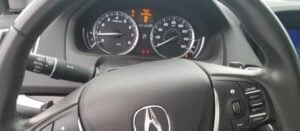
Common symptoms that you may be low on brake fluid include the Brake Light warning staying on when you drive the car or the CHECK BRAKE SYSTEM warning message on the dashboard. First, you check and make sure the parking brake is fully released. Next, follow the instructions below to check the Acura brake fluid level.
Symptoms
Symptoms of low brake fluid levels on an Acura usually start with a message on your instrument cluster.

🔧 Find out what is actually wrong before you pay someone to guess
Dealer level diagnostics at home with the YOUCANIC UCAN-II Pro.
- ✔ Covers most makes and models, including many luxury brands. Send us your VIN and we will confirm your car before you order
- ✔ Reads every module, not just the engine, so you find the faults a basic reader says are not there
- ✔ Commands the car: test a fan or pump, bleed ABS, retract an electronic parking brake, register a battery
- ✔ No subscriptions. Free lifetime updates, so the price you pay is the whole price
- ✔ Backed by real mechanics in the USA you can email before and after you buy
Featured in The Wall Street Journal
Typical messages include “Check Brake System.”
You won’t get a message in older Acura’s, but the brake light will stay on when driving. Other lights may come on due to low brake fluid levels, including the ABS and VSA lights.
- Low Brake Fluid Warning
- Brake Light On
- The brake pedal is soft.
- The brake pedal can be pressed all the way.
What you will need
Acura recommends that you use Honda DOT 3 or DOT 4 brake fluid. The brake fluid your Acura requires is printed on top of the brake fluid reservoir cap.
According to the Acura owner’s manual, using a non-Honda brake fluid can cause corrosion and decrease the brake system’s life (Source: 2004 Acura TL owners manual: page 211).
Check the Brake Fluid Level on the Acura
Step-by-step directions and video clips to help you add brake fluid to your ACURA.
Pull the hood release under the dashboard and open the hood
Locate Brake Fluid Reservoir 
Locate the brake fluid reservoir on your ACURA. The engine bay’s brake fluid reservoir is located on the driver’s side. In some Acura models, the brake fluid reservoir is covered with a plastic cover, as shown in the following picture.  The cover can be easily removed. It will either pop up or may have two plastic screws that must be removed. Before removing the cap, clean the brake fluid reservoir with a clean cloth.

Look at the side of the brake fluid reservoir to determine the current level. Ensure the current brake fluid level is between the maximum and minimum marks on the reservoir’s side.
If the brake fluid level is below the minimum, continue to the next step.
Add Brake Fluid. Look at the brake fluid reservoir cap to ensure you use the correct brake fluid type.
Add brake fluid until the level reaches below the MAX/Full mark. Do not fill the ACURA brake reservoir above the maximum mark.
These instructions apply to various 1998 to 2019 ACURA models such as CDX, CL, EL, ILX, Integra, Legend, MDX, NSX, RDX, RL RLX, RSX, SLX, TL TLX, TSX, Vigor, and ZDX.
Troubleshooting Tips
If the brake fluid isn’t low and the “Check Brake System” remains on, the problem can be due to the brake system’s malfunction. Check the brake pads and ABS wheel speed sensors.
Also, check the fusible link for the ABS module. The fusible link is located in the engine bay of your Acura. When the fusible link is blown, you will get multiple warning lights on your instrument cluster, and the push START/STOP may not work.
Why the level drops
The level falls slowly as the brake pads wear, because the caliper pistons move out and hold more fluid. A level near MIN on a car with worn pads is normal and rises again when new pads are fitted, so check the pads before topping up to MAX.
A level that drops quickly, a soft or sinking pedal, or wet spots near a wheel mean a leak. Do not drive the car until it is inspected. Also make sure the parking brake is fully released, because it turns on the same red brake light.
Brake Warning Still On With a Full Reservoir?
On many Acuras, the Check Brake System message can also come from the electronic parking brake, brake booster or stability system, not just low fluid. Read the stored codes with the YOUCANIC UCAN-II Pro on supported models to see which system set the warning. If the check engine light is on as well, see our Acura check engine light guide.
Frequently Asked Questions
What brake fluid does an Acura use?
Most Acuras use Honda DOT 3 or DOT 4 brake fluid. Check the reservoir cap or your owner’s manual for the exact type.
Why does my Acura say Check Brake System?
Low brake fluid is one cause, but the message can also come from the parking brake, brake booster or stability control system. Read the codes to find which.
How often should Acura brake fluid be changed?
Honda and Acura typically recommend every 3 years, or when the Maintenance Minder shows the brake fluid item.
Check these troubleshooting and repair guides for more help on your Acura.




Hy! I found on the internet, a Service Bulletin 09-040 from Acura.com, which metioned that the Amber Check Brake System message which appears on the mulți-information display is a MALFUNCTION of the electric vacum pump, because the software of PCM is not update.