

Most Common KIA Transmission Problems
Reviewed/Verified by:

Kia transmission problems can occur due to various technical issues, such as worn or damaged gears, faulty solenoids, malfunctioning sensors, or issues with the transmission control module. Common symptoms of transmission problems include slipping gears, delayed shifting, and difficulty shifting into certain gears. Diagnostic trouble codes (DTCs) may also be stored in the vehicle’s onboard computer. It is crucial to have the vehicle inspected by a certified Kia technician to diagnose and repair any transmission issues to ensure the vehicle’s proper function and avoid further damage.
At a Glance
- 2019 to 2021 IVT (Forte, Soul, Seltos 2.0): slipping or no acceleration is covered by Kia campaign SC199. Check your VIN first.
- 1.6T dry DCT: low speed judder and hesitation are addressed by Kia bulletins with software and, if needed, a new clutch.
- 2021 to 2023 2.5T eight speed DCT: recall 22V760 for an electric oil pump that can cause loss of drive.
- Six speed automatics: harsh or delayed shifts often trace to fluid level or type, the fluid temperature sensor, solenoids or worn valve body bores.
- Fluid: SP-IV for the six speed, SP-CVT1 for the IVT, DCT fluid for the DCT. They are not interchangeable.
Hyundai and Kia have announced a recall for over 120,000 vehicles across eight different models due to a transmission issue that can cause the vehicle to stall and leave the driver stranded. The affected models include the 2021 to 2022 Hyundai Santa Fe and others. This recall is a precaution to ensure the vehicle’s occupants’ safety and prevent further transmission issues. All affected vehicle owners must have their vehicles inspected and repaired at an authorized dealership as soon as possible.
Are Kia Transmissions Reliable?

Overall, Kia transmissions are quite reliable. Most Kia transmission problems, such as transmission won’t engage, transition slips, delayed shifting, transmission bangs into gear, no drive or reverse gears, and being stuck in limp mode, are often caused by low transmission fluid. These symptoms may also be due to problems with the transmission control module, which can sometimes be fixed by having the dealer perform a software update.

🔧 Find out what is actually wrong before you pay someone to guess
Dealer level diagnostics at home with the YOUCANIC UCAN-II Pro.
- ✔ Covers most makes and models, including many luxury brands. Send us your VIN and we will confirm your car before you order
- ✔ Reads every module, not just the engine, so you find the faults a basic reader says are not there
- ✔ Commands the car: test a fan or pump, bleed ABS, retract an electronic parking brake, register a battery
- ✔ No subscriptions. Free lifetime updates, so the price you pay is the whole price
- ✔ Backed by real mechanics in the USA you can email before and after you buy
Featured in The Wall Street Journal
If you are experiencing any of these symptoms, check the transmission fluid level immediately and correct it if needed. Also, call any Kia dealer and ask if there are any Technical Service Bulletins (TSBs) or software updates for the transmission. That said, we still come across Kia vehicles with automatic transmission problems, especially those that aren’t maintained or used for towing.
Common Kia Automatic Transmission Problems

Common Kia automatic transmission problems include delayed shifting, slipping gears, difficulty shifting into certain gears, and issues with the transmission control module. Worn or damaged gears, faulty solenoids, malfunctioning sensors, or problems with the transmission control module can cause these issues. These problems can lead to poor performance and reduced fuel efficiency, which may sometimes cause the car to stall. It is important to have the vehicle inspected and repaired by a certified Kia technician to ensure proper function and avoid further damage. Let’s look at some problems and common causes of Kia automatic transmissions.
Shift flares and delayed gear changes
KIA cars that use an A4CF 4-speed automatic transmission have a common gear shift issue involving shift flares or slipping into 2nd, 3rd, and 4th gear. Sometimes, a clunk will follow a prolonged pause when selecting reverse. Usually, any symptoms will be more prominent while the car is cold. This can trigger a check engine light, so a corresponding code will be in DTC memory.
Possible causes and solutions
- Pressure drops inside the valve body as a result of leaking solenoids. An issue usually happens gradually; the symptoms will be more apparent when the vehicle is cold. As this is a prevalent problem, sets with uprated solenoids are available.
- Faulty internal harness, which causes interference in communication between TCU and solenoids. Unlike leaking solenoids, this will cause intermittent and sudden issues and trigger a check engine light with solenoid-related codes.
Erratic shifting and jumping into neutral
Vehicles that use an A4CF 4-speed automatic transmission can suffer from issues that range from jumpy gear shifts to sudden and uncontrolled shifts to neutral while driving. The driver will not engage any gear when this happens, despite selecting the drive or reverse. These issues usually trigger a check engine light, meaning a corresponding code will be in DTC memory.
Possible causes and solutions
- The faulty input or output speed sensor offsets the shift procedure and causes misleading solenoid-related codes. Deciding which of these two sensors is causing the problem is not straightforward; replacing both is the most efficient way of dealing with this issue.
Harsh or delayed gearshifts
KIA cars with A6GF1 6-speed transmissions have a widespread issue with harsh or delayed gear changes.
In most cases, this problem will be intermittent and more present when the car reaches operating temperature. A check engine light can also come on, which means a code will be stored inside DTC memory.
Possible causes and solutions
- Faulty transmission fluid temperature sensor, which will give false output readings. This transmission is susceptible to temperature; this will cause running issues and trigger a check engine light. Typical error codes range from P0711 to P0714. Checking both the sensor and corresponding wiring will reveal the source of the problem.
- These transmissions feature an adaptive learning procedure that adjusts shift patterns based on drivers’ habits. When drivers with different styles use the same car, gear shifts may seem unusual. Resetting the learning procedure may solve the issue.
Vibrations while accelerating or harsh shifting
Vehicles that use a D7UF1 7-speed dual-clutch transmission can suffer from several typical issues, including delayed response, strong vibration, rattle during accelerations or while idling, and harsh shifting. In most cases, the symptoms will be more noticeable when driving aggressively. These problems will not trigger a check engine light.
Possible causes and solutions
- A worn dual-mass flywheel results in a metallic rattle on idle caused by excessive play. When checking the flywheel condition, look for any free movement between the plates and replace them if there is any.
- An overheated clutch assembly can cause the clutch to stick to the flywheel, resulting in delayed gear changes. One of the possible causes is a driving style that is too aggressive. In some cases, updating the TCU software to the latest version using a suitable diagnostic tool can help some vehicles with outdated software.
- Broken or worn engine or gearbox mounts. This allows excessive movement, causing the engine and gearbox to jump when pulling off from a standstill.
Troubleshooting Kia Transmission Problems
If your Kia has developed transmission problems, we recommend immediately checking the transmission fluid level.
If the transmission fluid level has been corrected, but the transmission is not shifting correctly, read the fault codes from the Transmission Control Unit (TCU) with a Kia transmission scanner.
Check the Transmission Fluid Level
Most Kia and Hyundai automatics built in the last 15 years have no dipstick. Hyundai’s procedure for the six and eight speed automatics:
- If the transmission was drained, add about 5 quarts of the correct fluid.
- Warm the fluid to 50 to 60 °C (122 to 140 °F), read on a scan tool.
- Move the shifter through R, N and D twice, then leave it in P with the engine running.
- Remove the level check plug. The level is correct when fluid flows out in a thin, steady stream.
Source: Hyundai TSB 16-AT-004. Older four speed models with a dipstick use the dipstick method in the owner’s manual.
Read Transmission Fault Codes
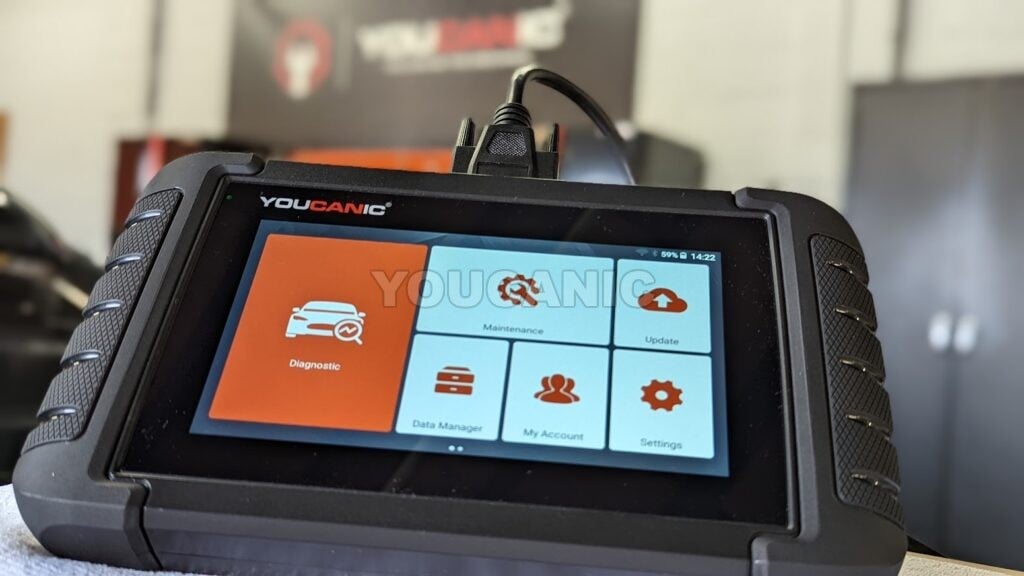
The YOUCANIC UCAN-II Pro can read and clear fault codes in the engine and other control modules on supported vehicles.
The next step is to read fault codes from the transmission control module, or what is known as the TCU. To read these codes, you will need a Kia Transmission Scanner. Basic code readers are not recommended because they will show a generic system or may not show a fault code.
- Park the vehicle and turn off the ignition: set the parking brake.
- Locate the diagnostic port under the dashboard, driver’s side.
- Plug in your OBD-II scanner, then turn on the ignition without starting the engine.
- The scanner will turn on. Allow it to communicate with the vehicle: Select Kia, then your particular.
- Select Control Units, then Transmission.
- Select Read Fault Codes from the main menu.
These steps work on all Kia vehicles 2000 and newer, including Kia Rio, Sportage, Telluride, Stinger, Sorento, Optima, Soul, Sedona, Forte, K900, and Cadenza. All these models have an OBD-II diagnostic port under the dashboard on the driver’s side.
Make sure to use a Kia scanner that can read transmission codes. Generic scanners typically only read codes from the Engine Control Unit (ECU), but you need a scanner that can also read codes from the Transmission Control Unit (TCU).
Kia Transmission Campaigns, Recalls and Bulletins
- IVT campaign SC199 (later TRA102): 2019 to 2020 Forte, 2020 to 2021 Soul, 2021 Seltos 2.0. Slipping or no acceleration with codes such as P0730, P0741 or P160300. Fix: TCM software, adaptive reset and relearn, IVT replacement if the fault returns. Kia re-notified owners in February 2026. Kia SC199.
- Recall 22V760: 69,038 2021 to 2022 Sorento and 2021 to 2023 K5 with the 2.5T eight speed wet DCT. The electric oil pump can fail and cause loss of drive. Recall report.
- Recall 23V531: 2023 Soul, 2023 Sportage, 2023 to 2024 Seltos. The idle stop and go electric oil pump controller can overheat; park outside until repaired.
- Recall 23V534: 2017 to 2022 Niro hybrids. Fluid can leak into the clutch actuator circuit board.
- Shift interlock recalls: 13V114 (980,377 2007 to 2011 Kias, stop lamp switch) and 22V612 (2016 Sedona and Sorento shift lock lever).
- Bulletins: TRA098 (2016 to 2020 Optima 1.6T DCT judder, TCU logic then clutch), SA281 (2017 Forte5 1.6T DCT synchronizer), SA454 (2021 Seltos 1.6T limp mode P060194), TRA076 (2017 to 2018 Sportage 2.4 upshift flare, TCU reflash), TRA069 (2016 Optima 2.0T and Sorento harsh shifts), TRANS 043 (six speed fluid temperature sensor codes P0711 to P0713).
Kia’s 15 year engine extensions do not cover transmissions, and we found no Kia IVT or DCT warranty extension. Kia also notes some DCT behavior is normal, such as light shudder from a stop and clutch overheat warnings when holding the car on a hill with the throttle. Check your VIN at nhtsa.gov/recalls.
Fluid Type and Service Interval
| Transmission | Fluid |
|---|---|
| Six speed automatic (A6 family) and front drive eight speed | SP-IV (sold as SP4-M); never SP-III |
| Rear drive eight speed (Genesis, Stinger, K900) | SP-IV-RR |
| IVT (CVT) | SP-CVT1 |
| Seven speed dry DCT | SAE 70W GL-4 DCT fluid |
| Eight speed wet DCT | Dedicated wet DCT fluids |
| Older four and five speed automatics | SP-III (check your manual) |
Current Kia and Hyundai owner’s manuals list “no check, no service required” for the automatic and IVT under normal use, and replacement around 56,000 to 60,000 miles under severe use (towing, heavy traffic, hot climates, short trips). Most US driving qualifies as severe at some point, so the severe interval is a sensible plan. Sources: Kia manual, Hyundai manual.
When Is a Relearn Needed?
- Automatics: Hyundai requires resetting and relearning adaptive values after replacing or reprogramming the transmission or its control module. A routine fluid change is not on that list. Hyundai TSB 16-AT-001-2.
- Harsh or slow shifts: Hyundai’s TSB 18-AT-004 times each shift; a shift over 2.5 seconds gets a reset and relearn first.
- DCT: a separate “DCT learning” procedure follows clutch or DCT replacement.
- IVT: after an IVT replacement or software update, the oil pressure characteristics and adaptive learning must be completed; Hyundai warns skipping it may cause failure.
- The A6 freezes adaptive learning whenever a fault code is stored, so clear the cause first.
What Parts Cost
| Part | Part number | Price |
|---|---|---|
| Seven speed DCT double clutch set (1.6T) | 41200-2D220 | $838 to $1,199 |
| IVT oil pressure sensor | 48885-02300 | $59 to $83 |
| Kia Forte IVT assembly (exchange) | 48000-2H300R | $1,565 to $2,209 plus core |
| Hyundai 2019 to 2020 Elantra IVT assembly | 48000-2H301 | $3,272 to $4,676 |
| Seltos 1.6T DCT control unit | 954A1-2D392 | $640 to $916 |
| A6MF1/A6MF2 valve body with solenoids (aftermarket) | varies | about $190 |
Prices from Hyundai and Kia dealer parts sites in October 2026, parts only. Dealer labor times in the bulletins run about 3.6 to 4.4 hours for a DCT clutch and 3.1 to 3.8 hours for an IVT replacement.
When to Stop and Hand It Over
- Loss of drive or the car goes to neutral while moving.
- Codes return after a correct fluid level and a relearn.
- Your VIN shows an open campaign or recall: the dealer fix is free.
- The car has an IVT or DCT needing internal work.
Reading the Transmission Module First
Transmission codes are stored in the TCM, which a basic engine code reader often cannot read. The YOUCANIC UCAN-II Pro reads Kia transmission codes and live fluid temperature, which you need for the level check.
Frequently Asked Questions
Are Kia transmissions reliable?
The conventional six speed automatics are generally durable with correct fluid. Most widespread complaints involve the 2019 to 2021 IVT and the 1.6T dry DCT, both handled through software campaigns and bulletins.
Does my Kia have a transmission dipstick?
Most models from about 2011 on do not. The level is checked at a plug at 50 to 60 °C.
Related guides: Lookup Kia Transmission by Model Year Engine · Hyundai Transmission Problems

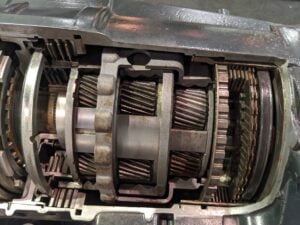
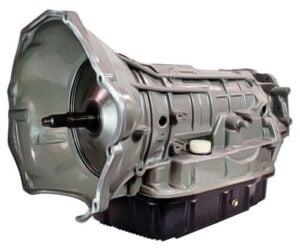


My car Kia Rio 2013 4speed. While I’m driving this morning the Gear shifting are normal. And after 2hr driving,the gear jump to 3rd and not shifting at all. I stop my car, still in 3rd gear!
* No engine check light flashing
* Low power accelerate..