Brake Pedal Sinks at Stop on 2012 Ford Edge: The Hidden Cause
Contributed by:

Today’s customer came in complaining that the brake pedal on his 2012 Ford Edge would randomly drop to the floor when sitting at a stop. No other braking issues were present that the customer could recall.
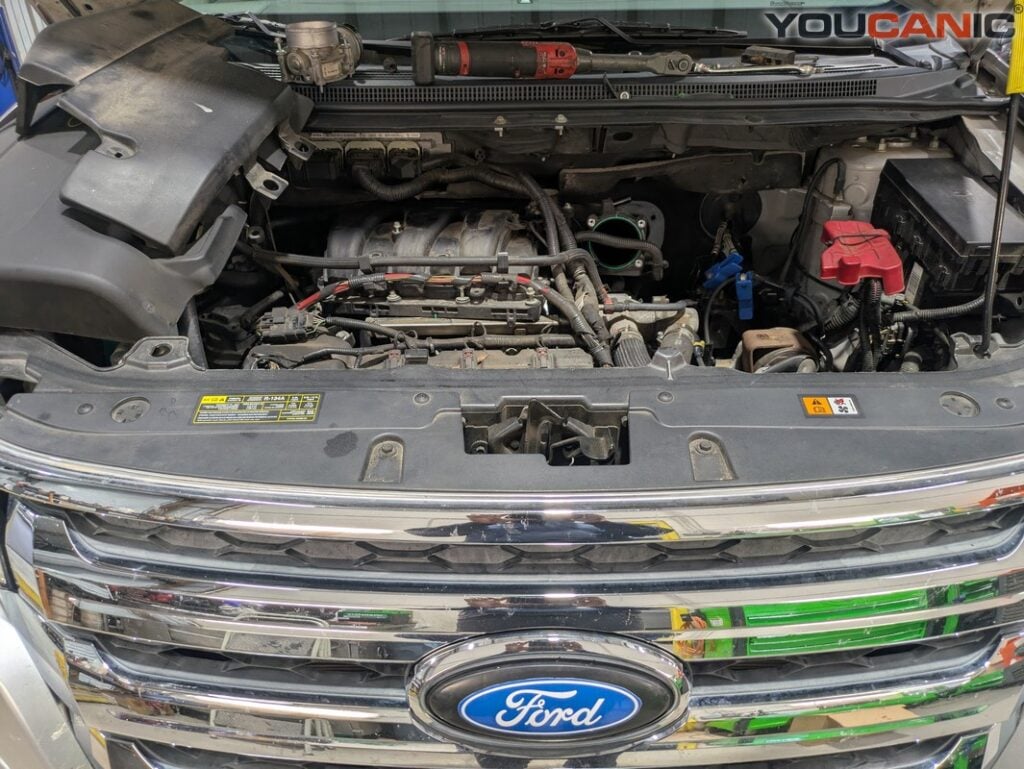
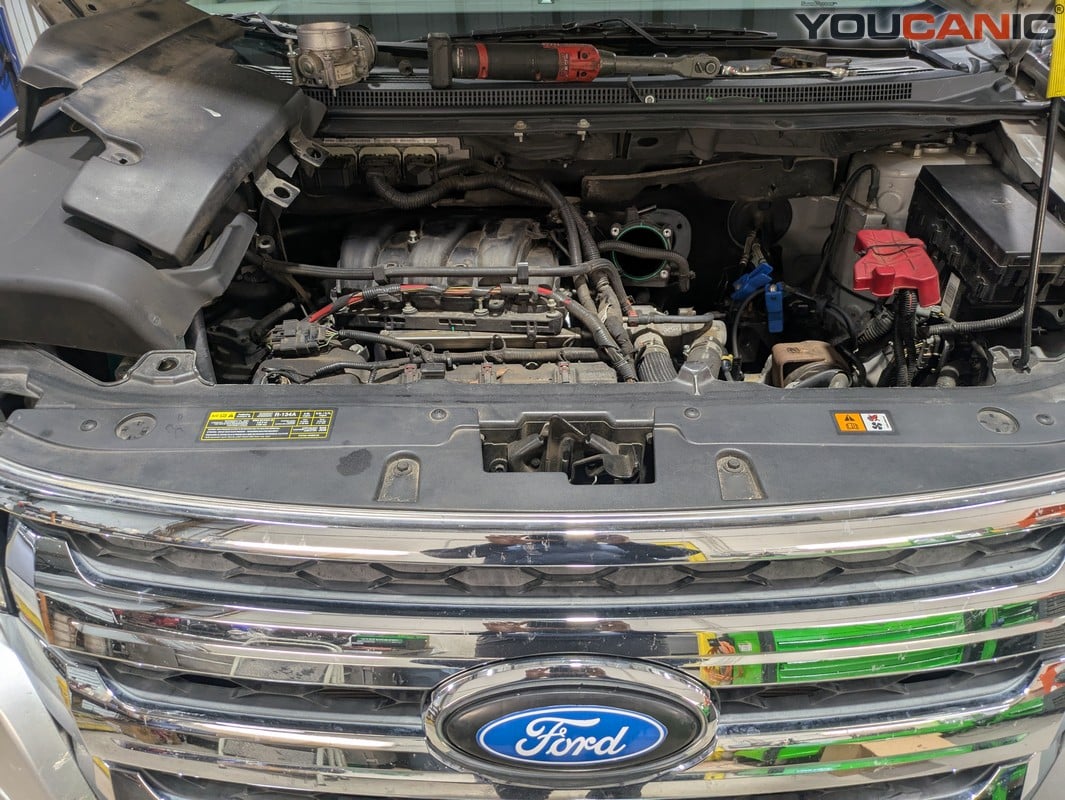
After a quick test drive, I was not able to duplicate the customer’s concern, so I requested to keep the vehicle and take it on a longer test drive. After an hour of driving, I was finally able to duplicate this truck’s issue. I brought the truck back to the shop for a thorough brake inspection.

After inspecting the brake calipers, hoses, and lines for leaks, I found no visible signs of leaking or damage, and inspecting the master cylinder and brake booster yielded the same results: no visible damage or leaks. Next, I checked the brake fluid and noticed it was slightly darker than it should be. This truck’s brake fluid had never been serviced.

🔧 Stop paying the dealer for every warning light
Get dealer level diagnostics at home with the YOUCANIC Full System Scanner.
- ✔ Works with all makes and models, including most luxury brands
- ✔ Topology map view shows all vehicle modules on one screen for faster diagnostics
- ✔ Bi directional controls to test fans, pumps, actuators and more so you do not have to guess
- ✔ Special resets and calibrations such as ABS bleed, EPB service, battery registration and more
- ✔ Free lifetime updates with no recurring fees

After no leaks or visible damage to any parts were found, I used my full-system scanner to monitor the ABS module while pressing on the brake pedal to ensure the correct pressure was being applied. All the pressure readings looked normal.

Looking through the ProDemand database, I found a Technical Service Bulletin (TSB) for this Ford Edge and multiple other Ford vehicles exhibiting the same conditions. Inspection and pressure checks at multiple points in the brake system led me to conclude that the ABS module needed to be thoroughly bled.
After inspecting and pressure-checking all brake components, I found air in the ABS module, resulting in excessive pedal travel under braking. In addition to the brake bleed, the customer requested to replace the master cylinder and brake booster due to the vehicle’s age. Air in the braking system was the concern, but I replaced the master cylinder and brake booster at the customer’s request.

After the repair, I bled the entire brake system, and using my full-system scanner, I actuated the ABS module bleeding procedure to push any air bubbles that might be trapped in the hydraulic unit out, and bled again using a Matco power bleeder to manually flush all the lines out and force new, clean brake fluid through the entire system until no more air was present.
After replacing the master cylinder and brake booster with genuine Ford Motorcraft parts and bleeding the ABS module, the entire brake system was secured, and no leaks were found.
Every time the brake system is serviced on any car, a thorough bleed process is required. The ABS module will need to be bled multiple times to get all the air out of the system, and the system might also need to be manually bled. After bleeding the entire system and ensuring no more air was present, I test-drove the vehicle and found the brake pedal had no further fade at a stop and operated correctly.

Bonus Tip
After doing any work on the brake system, it is important to thoroughly bleed it. Air pockets can easily get trapped in this system and be mistaken for a failed component. Have someone push the pedal down while you bleed each wheel in the correct order, starting with the wheel farthest from the master cylinder. Air can also be trapped in the ABS module, so multiple ABS bleed procedures will be required.