

How to Remove a Stuck O2 Oxygen Sensor
Reviewed/Verified by:

Oxygen sensors are straightforward to replace as long as they are not rusted and are easy to access. Once rust sets in, an oxygen sensor can be difficult to get loose and remove. In this article, you will find a few tips on how to remove an oxygen sensor.
How to remove/loosen an oxygen sensor
Using the proper oxygen sensor socket for your particular vehicle is essential. Some cars require a special oxygen sensor tool to remove them.
Use Penetrating Oil
The O2 sensor is located on the exhaust manifold or exhaust system; it is likely to accumulate rust and eventually get stuck.

🔧 Find out what is actually wrong before you pay someone to guess
Dealer level diagnostics at home with the YOUCANIC UCAN-II Pro.
- ✔ Covers most makes and models, including many luxury brands. Send us your VIN and we will confirm your car before you order
- ✔ Reads every module, not just the engine, so you find the faults a basic reader says are not there
- ✔ Commands the car: test a fan or pump, bleed ABS, retract an electronic parking brake, register a battery
- ✔ No subscriptions. Free lifetime updates, so the price you pay is the whole price
- ✔ Backed by real mechanics in the USA you can email before and after you buy
Featured in The Wall Street Journal
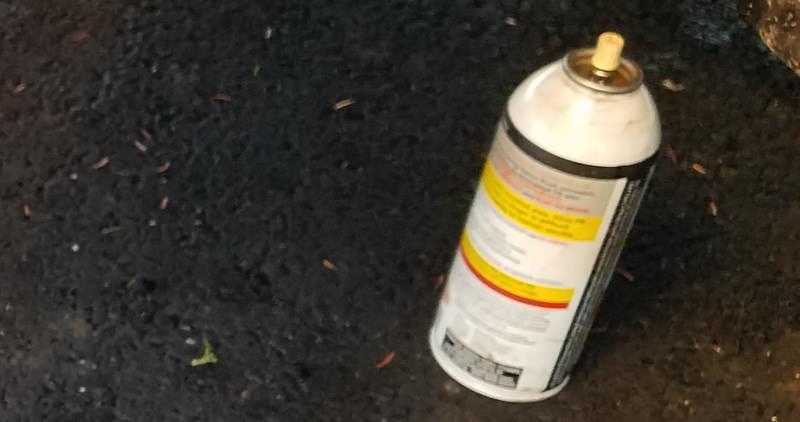
The first method I recommend is penetrating oil, such as a liquid wrench or PB Blaster. Spray the penetrating oil on the O2 sensor and allow it to sit for 20 to 30 minutes, or overnight would be even better.
Afterward, use an O2 sensor socket wrench to break the sensor loose. Sometimes, you may have to use a regular metric or standard wrench due to tight spaces. Some common wrench sizes are 22mm and 27mm or 7/8”. A stubby wrench may also be helpful if the space is minimal.
Warm Up Engine

Removing the oxygen sensor when the exhaust is hot is always easier. This method works because metal expands when it is hot, making O2 sensor removal easier.
Moreover, this method only works when the oxygen sensor is in an open location and easy to get to; otherwise, you risk getting burned. Run the engine for 20 minutes until the exhaust system and the catalytic converter are hot.
Place the vehicle on jack stands or a lift. Caution! There is a high risk of getting burned. Be mindful of the hot exhaust. Do not burn yourself, and use gloves.
Use a Propane Torch

Propane is a great way to heat the O2 sensor quickly. Again, place the vehicle on jack stands or a lift; use propane in open spaces. Be careful not to use the propane torch around flammable materials.
Heat the O2 sensor for a good 30 seconds. Allow the O2 sensor and exhaust manifold or exhaust system to cool naturally. Do not throw water on the O2 sensor, as this can crack the exhaust manifold or exhaust system when it is cooled too fast. Use an appropriate O2 sensor socket wrench and remove the O2 sensor.
Caution! Risk of fire.
Check these troubleshooting and repair guides for more help on your vehicle.

