The EPC Light: How the Wrong Fuel Can Lead to Big Problems!
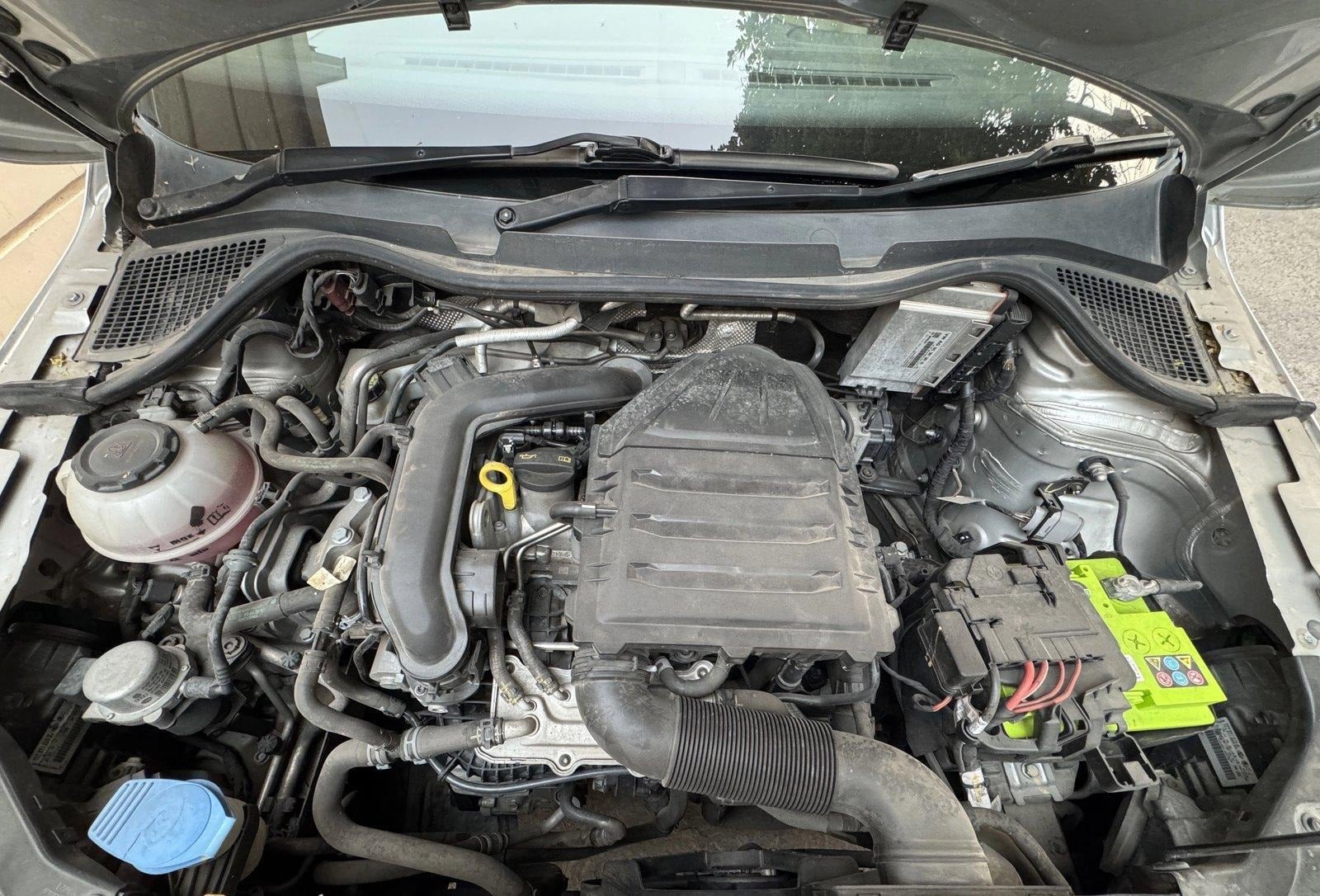
Vehicle: Skoda Rapid, 1.0 TSI three-cylinder turbo petrol (the EA211 engine family Volkswagen also uses in the Jetta and Polo) running a Stage 1 remap.
Symptoms: The Electronic Power Control (EPC) warning light came on, followed by the car going into limp mode, jerking, and then the accelerator almost dying. These symptoms would clear on restart, but came back within 500 metres.
Fix: I opened the fuel cap, waited fifteen minutes, then restarted the car.

🔧 Stop paying the dealer for every warning light
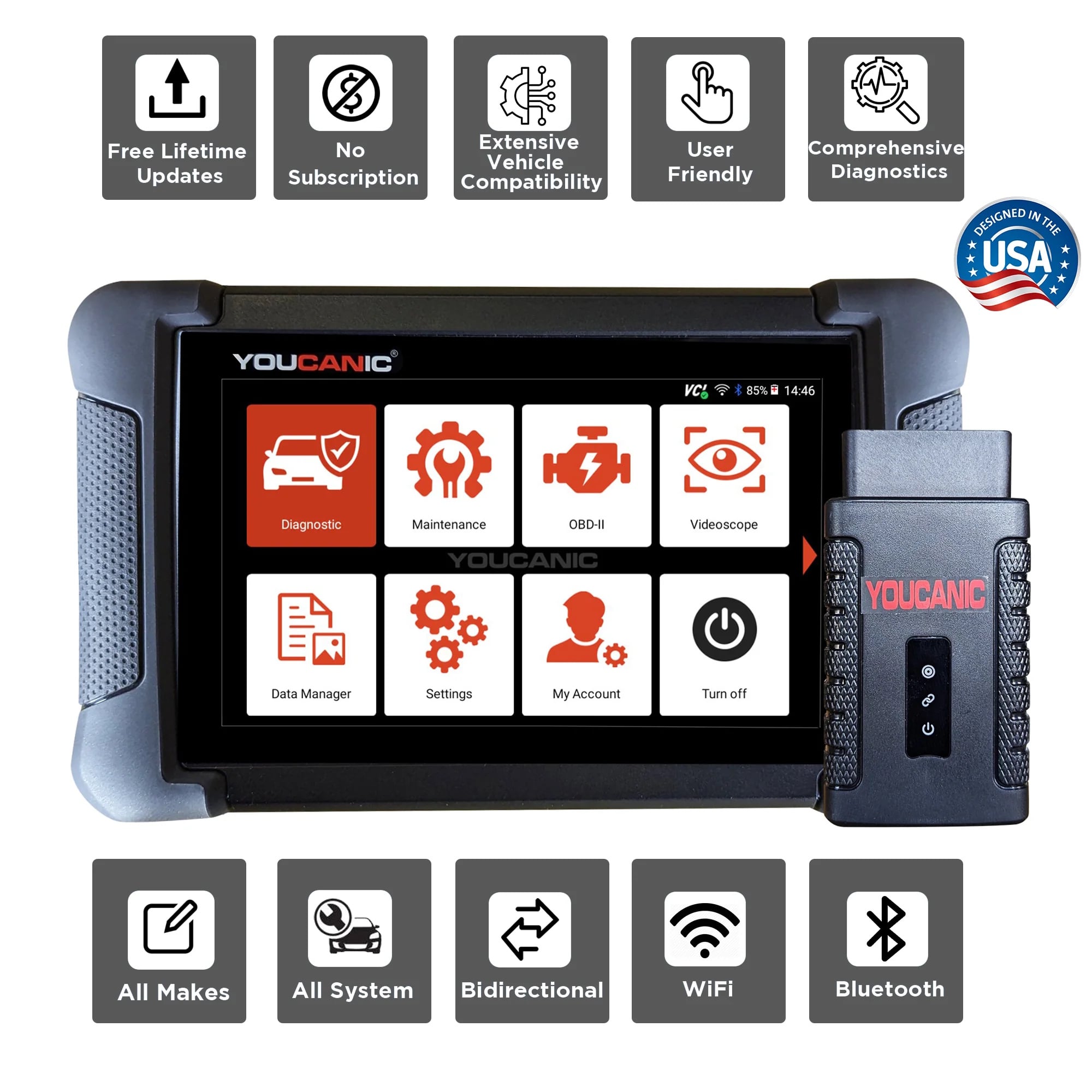
Get dealer level diagnostics at home with the YOUCANIC Full System Scanner.
- ✔ Works with all makes and models, including most luxury brands
- ✔ Topology map view shows all vehicle modules on one screen for faster diagnostics
- ✔ Bi directional controls to test fans, pumps, actuators and more so you do not have to guess
- ✔ Special resets and calibrations such as ABS bleed, EPB service, battery registration and more
- ✔ Free lifetime updates with no recurring fees
Cost: Nothing. Has not returned since, on the right fuel.
What happened
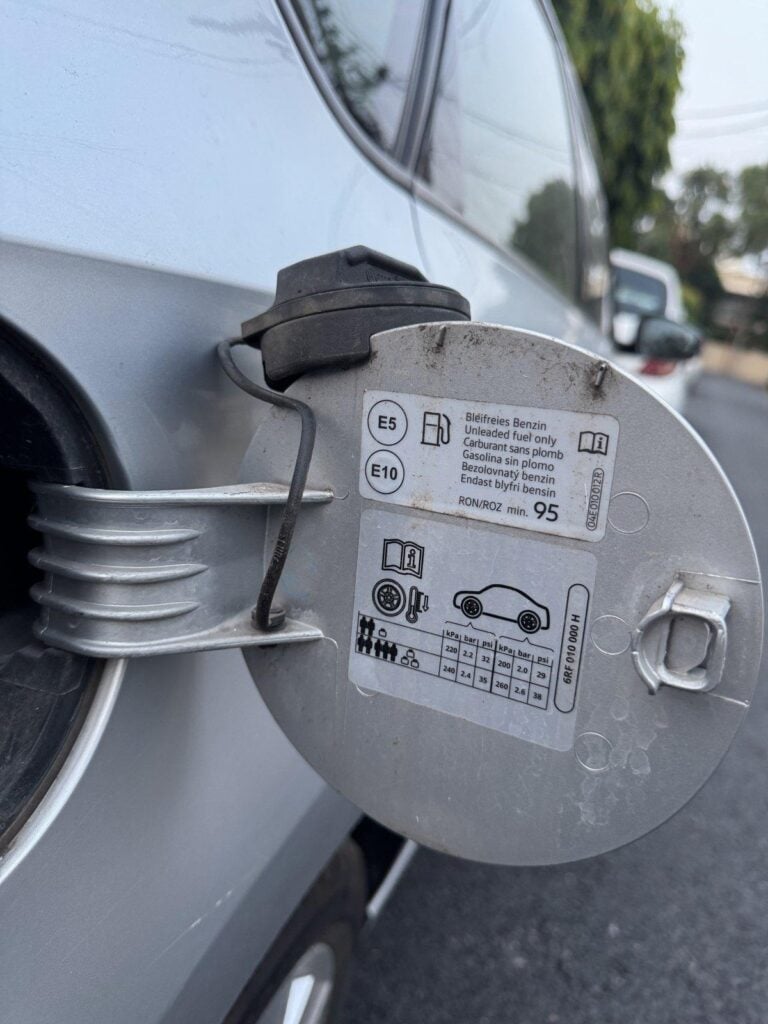
The car was on a Stage 1 map, which is a software tune-up for the engine computer that adds power without swapping parts. This map was built for 95 RON fuel, which is the lowest Octane rating on the sticker inside my fuel flap. Before the trip I filled the tank with a lower grade the tuner had specifically said not to use. Then, on a hot day, I drove 175 km of highway without stopping, took a two-hour break, and drove the same road back on the same tank.
When I was about 30 km from home, the EPC light came on and the power went out completely. Every time I pressed the accelerator the car jerked instead of pulling, meaning that my car had gone into limp mode. I got onto the shoulder, switched off, and sat for five minutes. On restart the car felt normal. Five hundred metres later the EPC light was back, the power was gone again, and the jerking was the same. I pulled over for good and called a Skoda technician I trust, and told him the whole thing from the fuel onwards.
That restart-then-relapse pattern is worth knowing on its own. On a VW Group car, switching it off makes the engine computer re-check its sensors from scratch. If the readings are inside range at that moment, you get full power back; if the fault stays stored, the moment the condition returns, the car protects itself again. A restart is a pause, not a repair.
What I checked first
Standing on the shoulder, I ran the usual EPC list in my head. The light means the electronic throttle system has seen something it does not trust, and on a VW vehicle, the most likely culprits are usually:
- A brake light switch sending the wrong signal, so the computer sees braking and accelerating at once.
- Carbon on the throttle plate, so the motor cannot put it where the computer asks.
- A loose or corroded connector on the throttle body or pedal sensor.
- A weak battery making every reading wobble.
None of them fitted. The car had run perfectly for 175 km. Nothing had been touched under the bonnet (hood, for our American readers). The battery was healthy, and the fault had arrived at the end of a long, hot, unbroken run rather than on a cold start or in traffic, which is when the switch and the throttle body usually show themselves.
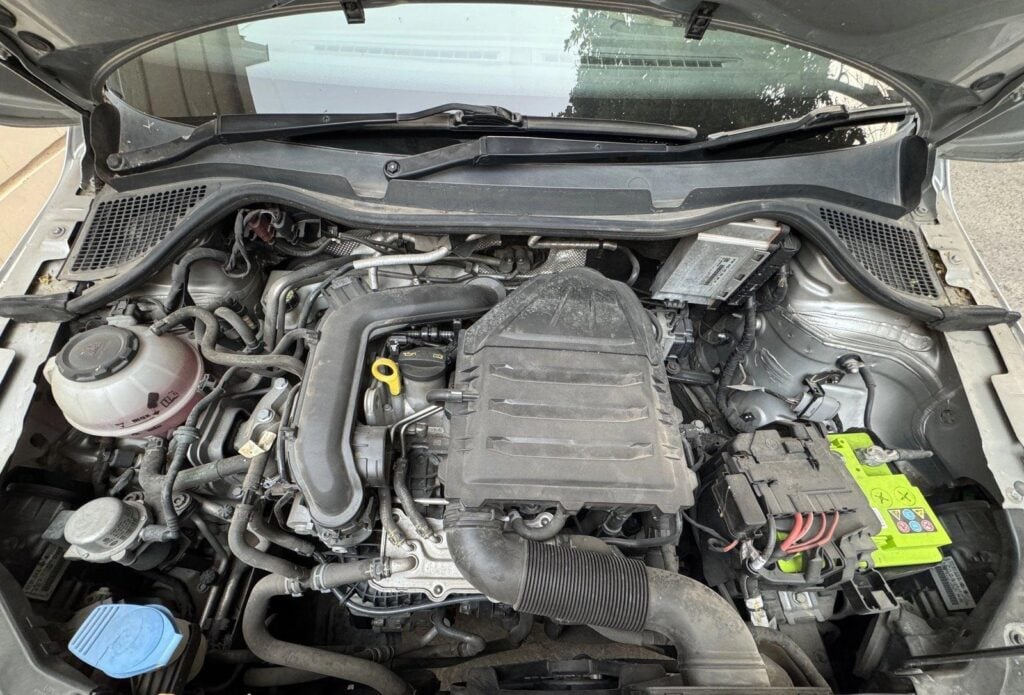
The technician’s call, and what I think really happened
His suggestion surprised me: open the fuel filler cap, leave it open ten to fifteen minutes, close it, restart. His explanation was fuel vapour pressure: after a long hot run, vapour builds in the tank faster than the evaporative system manages it, and if the pressure gets past what the computer expects, it can flag a fault and pull power. Opening the cap releases it.
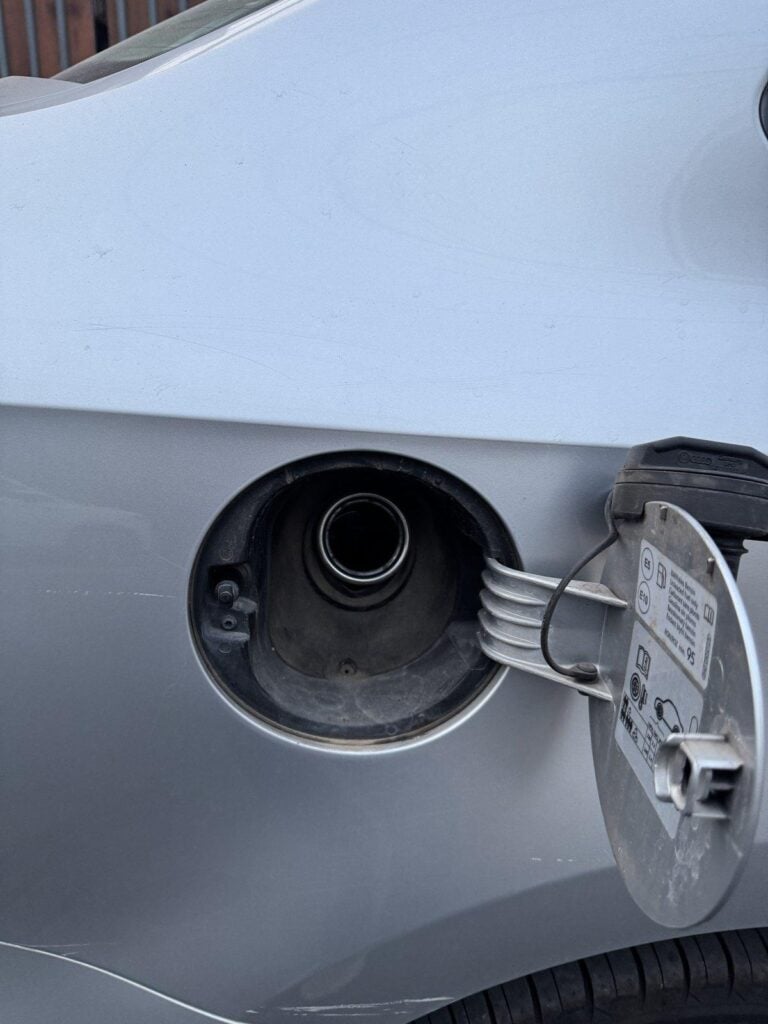
After doing what was suggested, the car started clean, the EPC light stayed off, and it drove the last 30 km home normally.
With hindsight, and with the fuel in the story, I think there was a second thing going on. A remapped engine runs more boost and more timing than a stock one, and it needs the octane the map was built for. Using a lower grade, on a long hot run, the knock sensor starts hearing detonation and the computer pulls timing and boost to protect the engine. On a VW Group car that kind of torque intervention can turn the EPC light on and drop the car into limp mode. Fifteen minutes on the shoulder is also fifteen minutes of cooling, and a cooler intake and a cooler fuel rail take a knock-limited engine straight back out of trouble.
So I cannot tell you whether the cap or the wait did it. I didn’t read the codes that day, so I also don’t know which code was set. What I can tell you is the sequence: wrong fuel on a Stage 1 map, long hot drive, EPC and limp mode, restart clears it briefly, cap open and fifteen minutes, fault gone. I filled with the right grade at the next stop and it has not come back since. Both explanations point at the same two things a reader can act on: heat and fuel.
When this fix will not work
Most EPC lights are not this. And if your car is remapped, the first question before any of the checks below is what fuel is in the tank: a map built for 95 RON, run on regular fuel on a hot day, will do everything described above without a single part being faulty.
If the EPC light has come on at a cold start, in stop-and-go traffic, while braking, or with a rough idle, the fuel cap is not the answer and you will only be wasting fifteen minutes. In those cases the order is:
- Read the codes before anything else, with a Bluetooth adapter and a phone app if that is what you have. P2101 points at the throttle body, P0571 at the brake light switch.
- Check the brake light switch. It is the cheapest EPC fix there is.
- Clean the throttle body and run the adaptation. A new throttle body is rarely needed.
- Test the battery, especially if it is over five years old or the car was jump-started recently.
And in any EPC-plus-limp-mode cases: do not clear the codes before you have read them, do not disconnect the battery as a “reset” (it wipes the throttle adaptation and can create a second fault), and do not let anyone quote you an engine computer until the four items above have been ruled out.
What it costs
|
Fix |
Typical Cost |
|
Fuel cap release and a fifteen-minute wait |
$0 |
|
Brake light switch |
$15 to $30 |
|
Throttle body clean and adaptation |
$60 to $130 |
|
Throttle body replacement |
$250 to $700 |
|
Battery, fitted |
$120 to 250 |
The takeaway
An EPC light with limp mode is the car’s way of protecting itself. It is not a breakdown, and the fix is usually cheap. Note when and where it happened as carefully as what happened: a long hot highway run on the wrong fuel points somewhere completely different than a cold morning in traffic, and in my case that difference was the whole diagnosis.
Ayush Sondhi runs TheCarLane, a diagnostics site for VW, Audi, Skoda, and SEAT owners, built on readings from his own Skoda Rapid 1.0 TSI and BMW X5. Sondhi founded TheCarLane to help car owners understand and repair their own vehicles. TheCarLane is dedicated to helping DIYers diagnose and repair their own vehicles.