
Is your 2016-2025 Volvo XC90 not starting? Whether you turn the key and hear nothing, get a clicking sound or your engine starts and dies immediately, a dead battery is often the culprit. Don’t worry – jump-starting a 2016-2025 Volvo XC90 is straightforward. This comprehensive guide will walk you through the safe and proper way to jump-start your vehicle using a portable jump starter, but you can also follow these steps when using another vehicle.
Jump Start Location
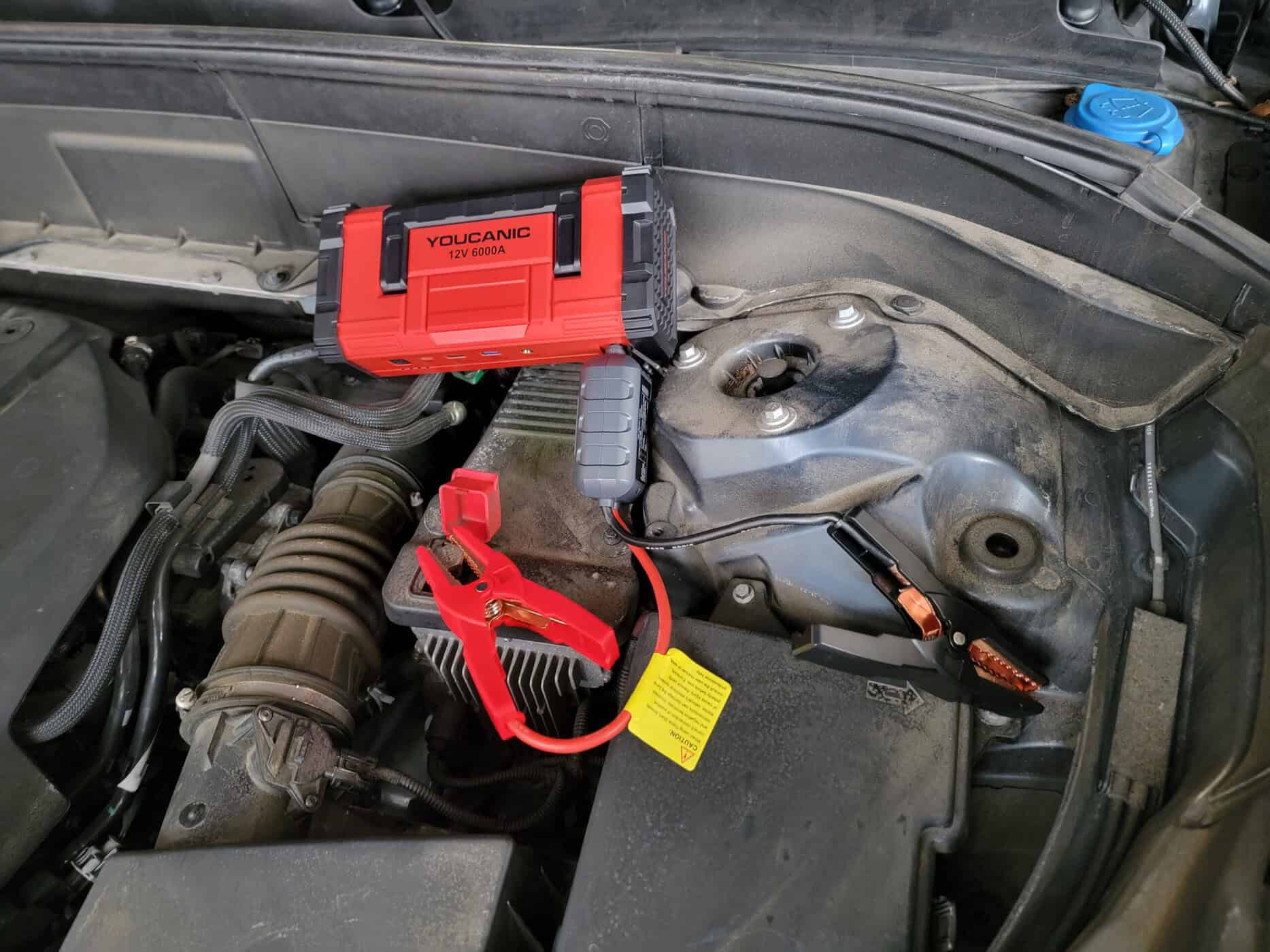
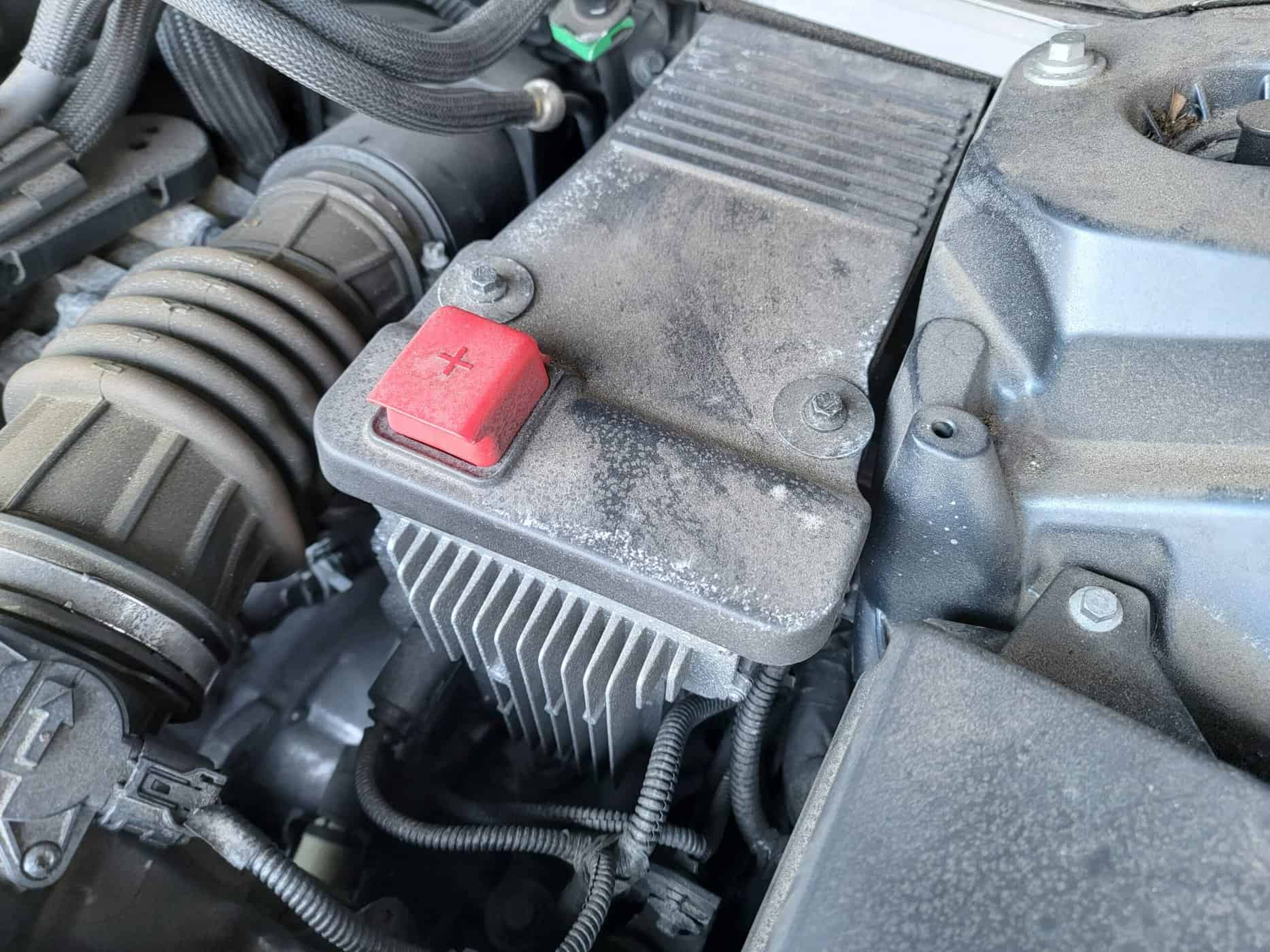
The battery for 2016-2025 Volvo XC90 is located in the trunk on the left side. The jump-start terminals are located in the engine bay, as shown in this picture.
Step-by-Step Guide
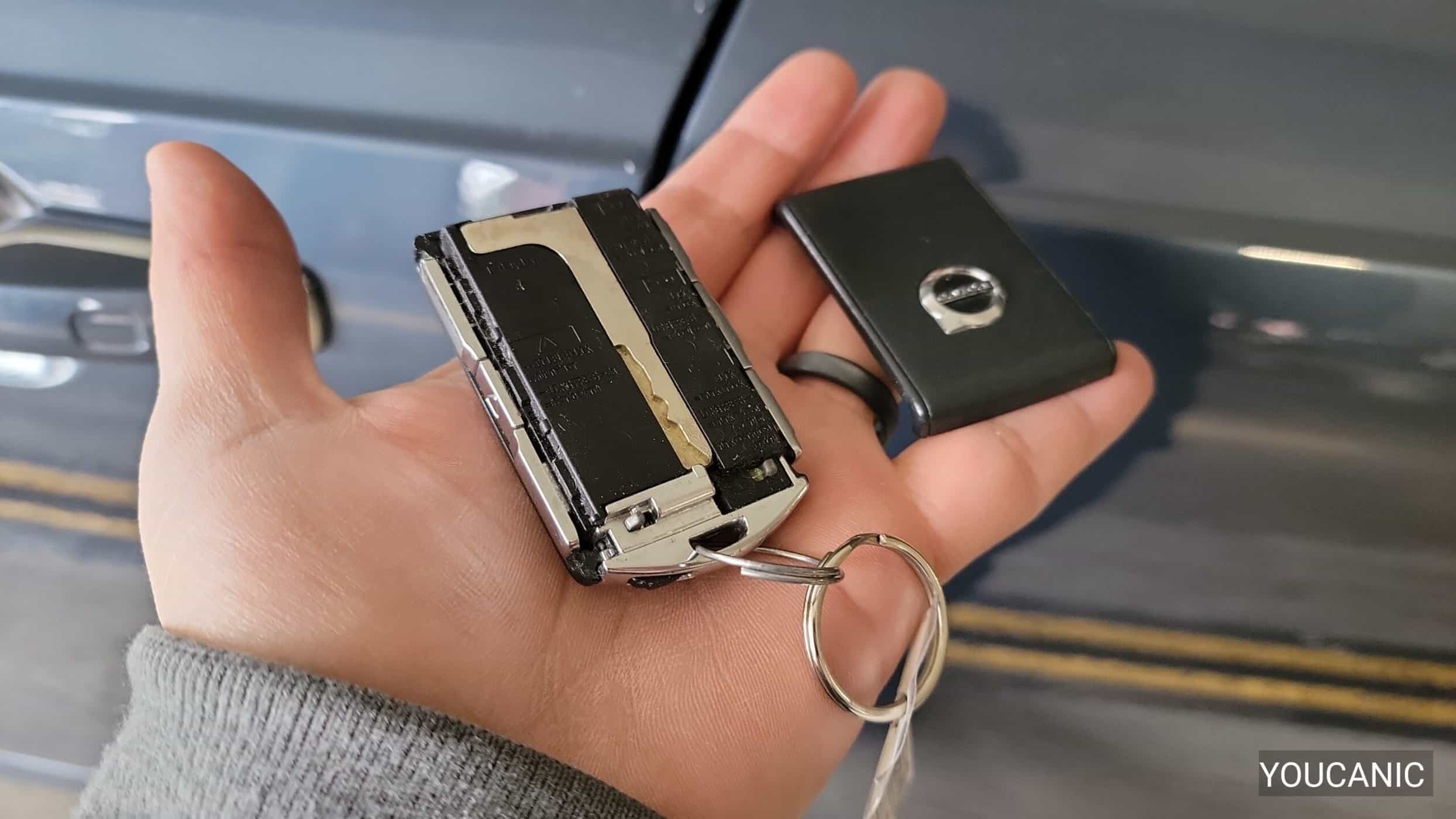
- Remove the emergency key hidden in your keyfob if the vehicle is locked and your key fob isn’t working.

- Pull the driver’s door handle. Insert the emergency key into the emergency keyhole, and turn the key to unlock your car.
- Ensure the transmission is in PARK and the parking brake is engaged.

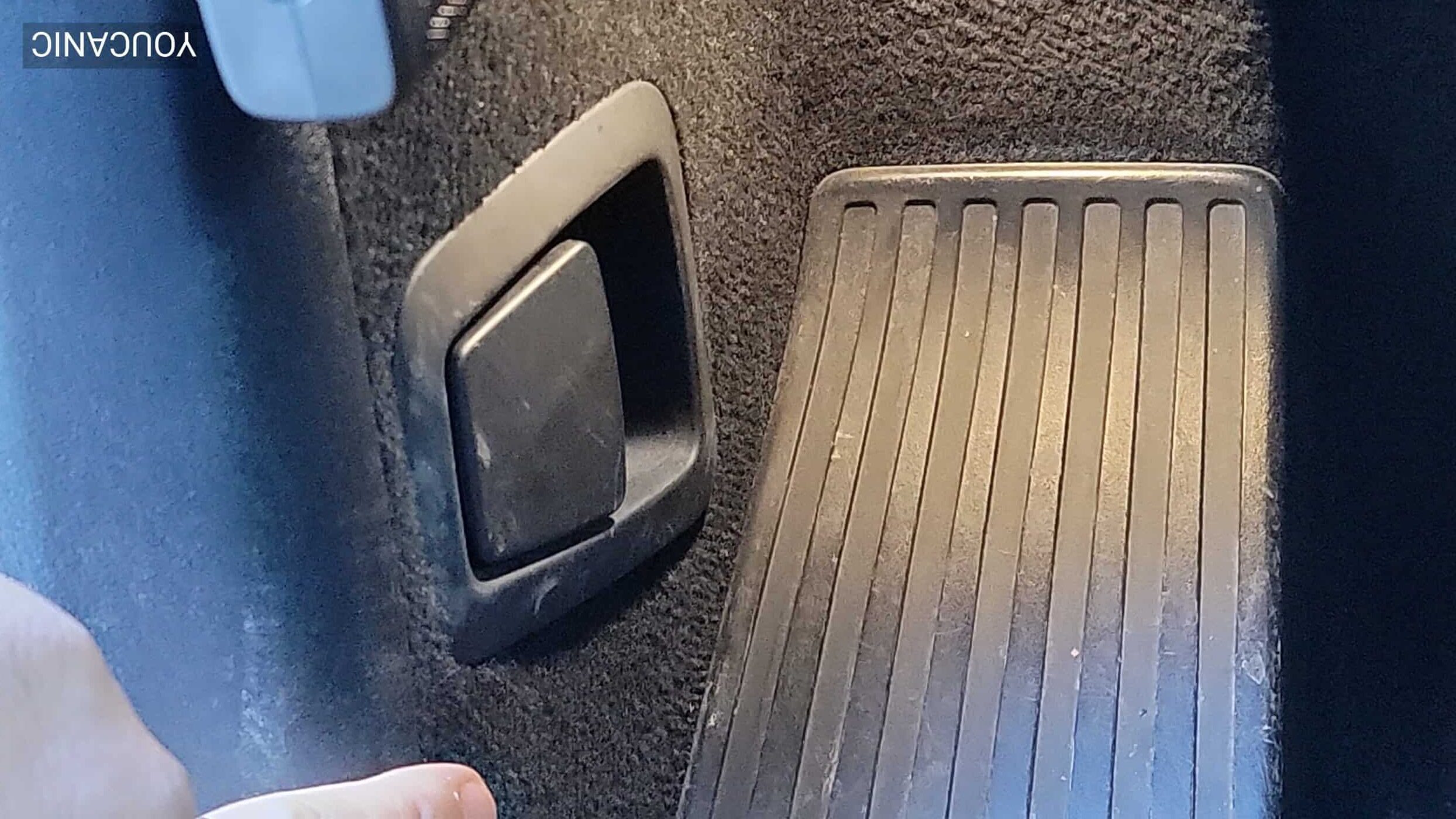
- Find and pull the hood release lever on the driver’s side near the floor.
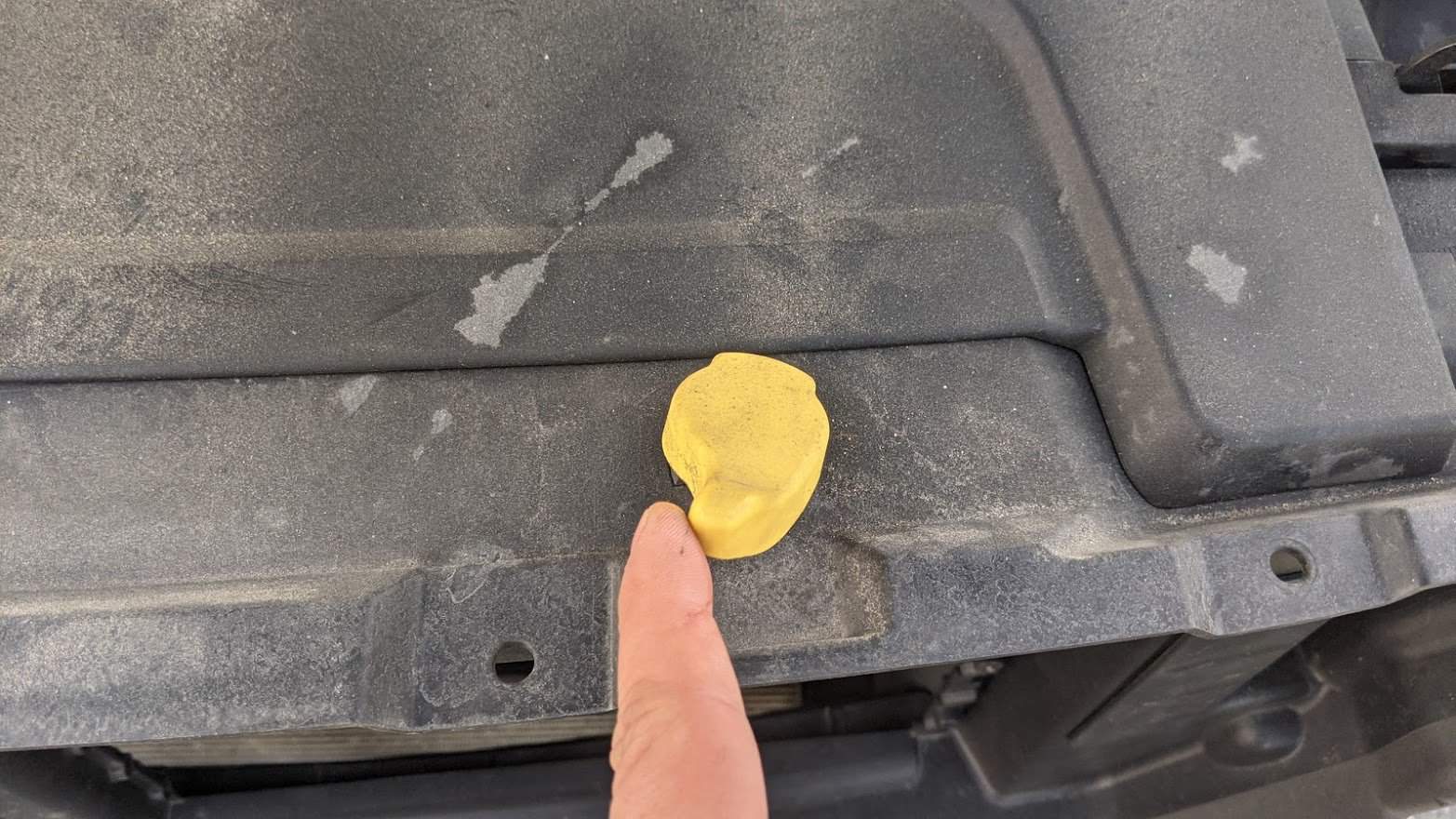
- Walk to the front of your vehicle, find the hood safety latch under the front hood, and lift upward after releasing it. The Volvo XC90 does not have a hood prop rod and should stay open on its own.

- Position your jump starter or the assisting vehicle so the cables can easily reach both batteries. Turn off all electronics in both vehicles, including radio, lights, and AC.

- The jump-start terminals are in a different location than the battery, but the terminal colors are still the same. The positive terminal can be found under a red cap with a “+” sign on the top, and the negative terminal can be found to the right. Open the red plastic covers and attach the RED clamp to the POSITIVE (+) terminal, ensuring a solid grip on clean metal. Double-check your connection point – proper contact is essential for a successful jump start.
- Connect the BLACK clamp to the ground jump terminal or strut tower bolt or any unpainted metal surface in the engine bay, avoiding fuel lines and moving parts. Verify the ground connection is secure and away from the battery and other components.
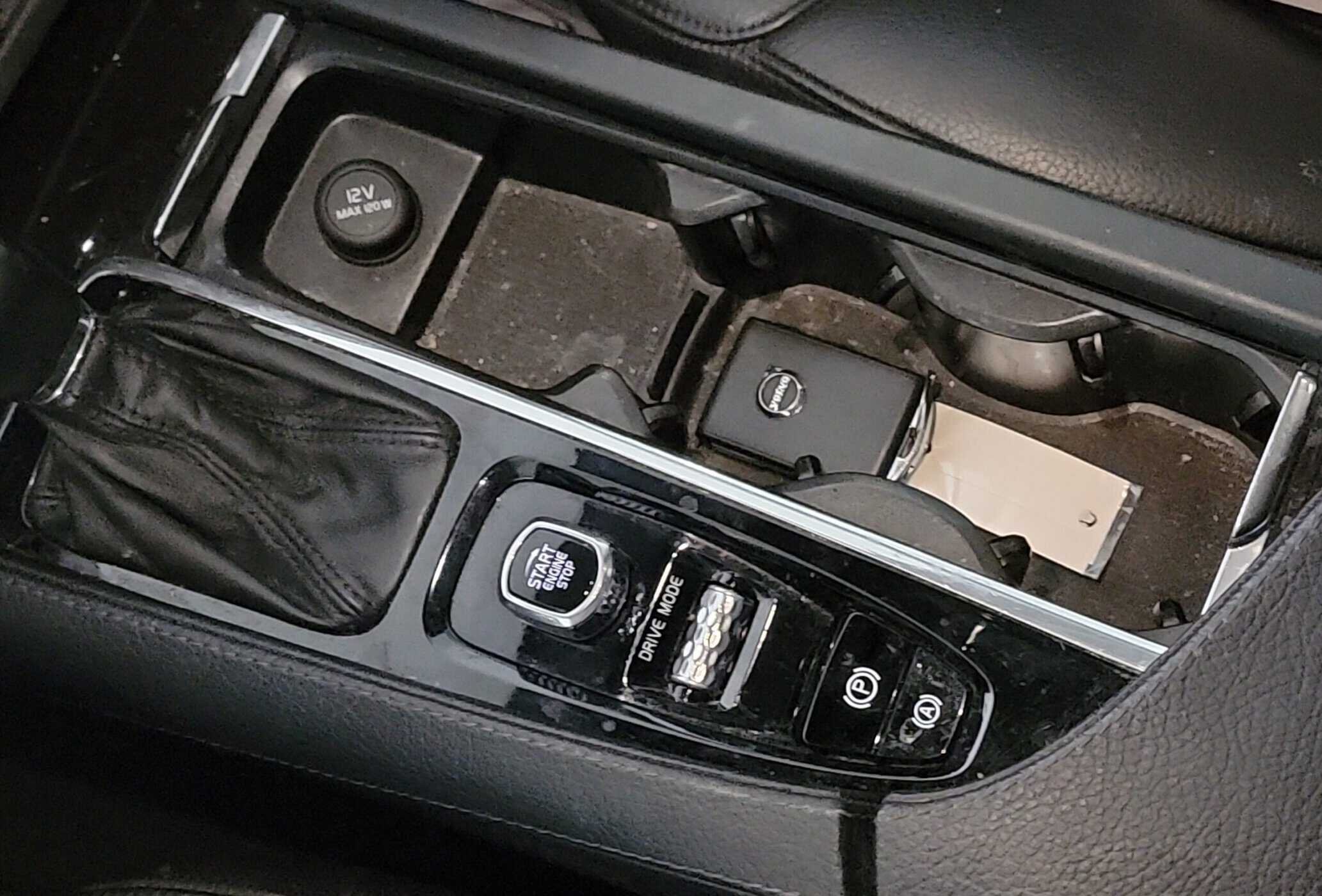
- Place your key fob in the front cup holder. Attempt to start your vehicle, waiting 2-3 minutes between attempts if unsuccessful.

- Remove the cables in reverse order – BLACK negative cable first, then RED positive cable. Store them safely away from engine components.
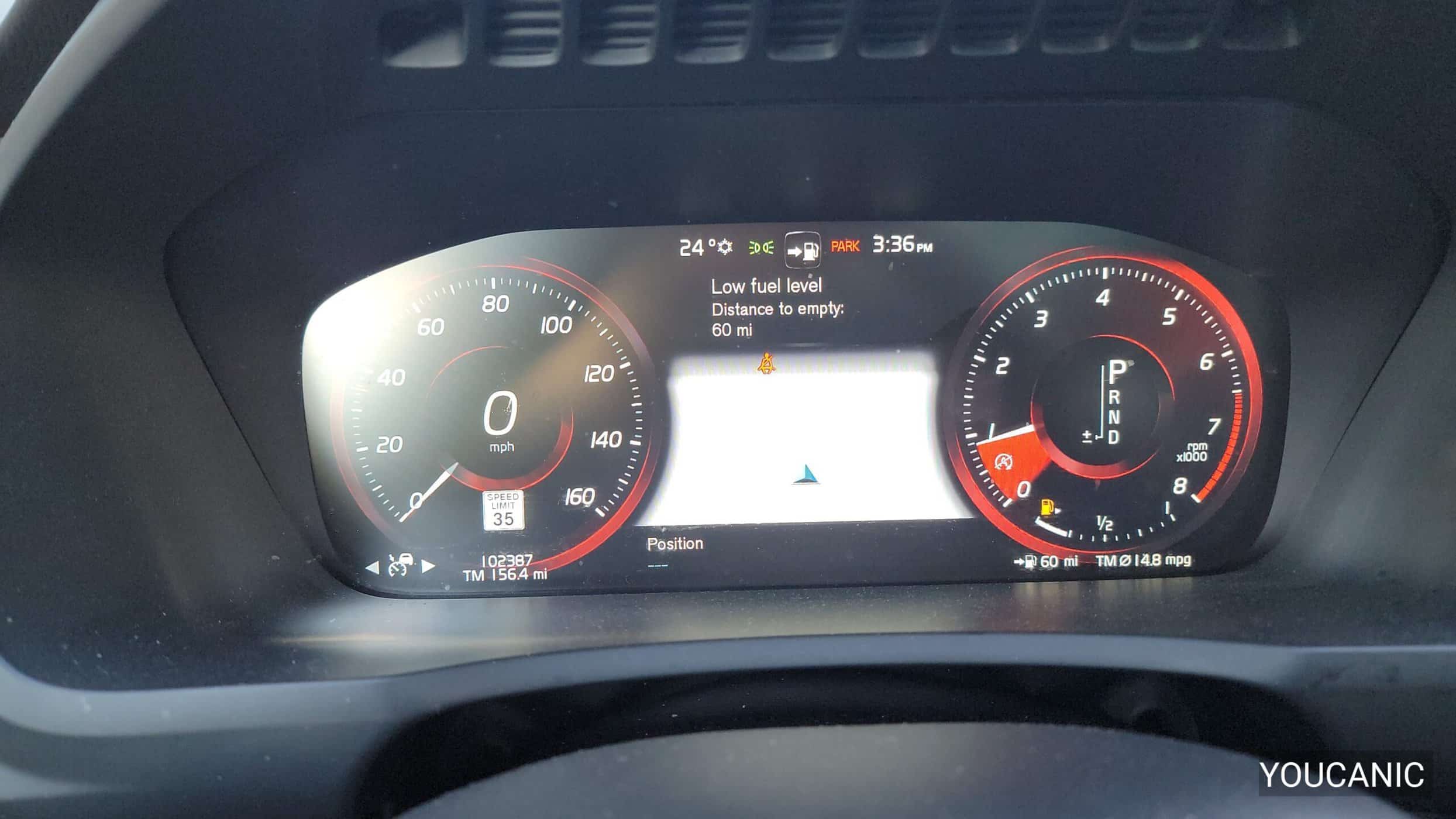
- Allow your engine to run for at least 15 minutes while monitoring the dashboard for any warning lights.
- You may have a few warning lights on the dashboard. Before driving, do a full left and right turn of the steering wheel to reset the steering angle sensor, which will often reset several warnings on the instrument cluster. If the warning lights don’t reset, perform a full system scan using a diagnostic scanner.




Troubleshooting Guide
If You Hear a Clicking Sound
- Check all cable connections – they should be tight and free of corrosion
- Clean the battery terminals if there’s any buildup
- If using a jump starter, verify it’s fully charged
- Try repositioning the cable clamps for better contact
- If using another vehicle, ensure its engine is running
If You Hear Nothing
- Verify that the jump starter is turned on and fully charged
- Check for loose or corroded battery connections
- Ensure the key fob has an adequate battery (for push-button start vehicles)
- Wait 2-3 minutes between start attempts
- If using another vehicle, let it run for 5-10 minutes before attempting to start
If the Engine Starts and Then Dies
- Keep the working vehicle connected and running
- Wait 5 minutes before trying again
- Avoid using any electrical accessories
- Rev the working vehicle’s engine slightly when attempting to start
- If the problem persists, the battery may be too damaged to hold a charge
Warning Light Indicators
- Battery Light Stays On
- Continue running the engine for 15-20 minutes
- Check the alternator belt for proper tension
- Consider an immediate drive to the repair shop
- Multiple Warning Lights
- Reset the vehicle computer by turning the steering wheel lock-to-lock
- Disconnect the negative battery cable for 30 seconds (if it is safe to do so)
- Drive cautiously to the nearest repair facility
- Avoid using non-essential electrical components
When Professional Help is Needed
- Multiple failed jump-start attempts
- The battery is less than 3 years old but won’t hold a charge
- Visible corrosion or damage to the battery
- Electrical system warning lights persist
- Alternator noise or battery light remains on while driving