
Hyundai Ultrasonic Sensor Error or Blockage: Meaning, Causes & Fixes

Medium
1-3 hr
$228
If you see the “Ultrasonic Sensor Error or Blockage” message on your Hyundai’s dashboard, it means one or more of the ultrasonic sensors are malfunctioning or blocked. These sensors are crucial for parking assistance and collision avoidance. Ignoring this warning can lead to reduced safety, malfunctioning parking systems, and even accidents.
The ultrasonic sensors detect and measure the distance between nearby objects and your car through high-frequency sound waves. Parking assist systems in your vehicle rely on these sensors to operate effectively, including the Forward, Side, and Reverse Parking Distance Assist (PDA), Remote Smart Parking Assist (RSPA), and Reverse Parking Collision-Avoidance Assist (PCA). Warning messages are often triggered for these assist features along with the “Check Parking Distance Warning System” message on your dashboard. When this light turns on, your ultrasonic sensor(s) are at fault.
⚠️ Why You Should Fix It As Soon As Possible?
✅ Weak Battery
A dead or dying battery can cause erroneous system errors and unexpected warning lights because it is not able to supply enough energy to necessary electrical components.
✅ Faulty Sensor
An ultrasonic sensor may be dirty or broken, leading to inaccurate readings. These sensors can be blocked by debris, dirt, mud, snow, or moisture, which can cause the warning message to appear on your dashboard. The sensors, especially on the rear side areas of the vehicles, can become damaged or loose because of dents or scratches due to previous accidents or minor scratches to the bumper.
✅ Loose or Corroded Wires
Bad connections can cause intermittent faults.
✅ Malfunctioning Module
A bad ECU (electronic control unit) could trigger false alerts.
✅ Software Glitch
If the system is outdated or corrupted, the ECU can interpret regular sensor readings as an error. Similarly, if an update is incomplete or has bugs, it may introduce error messages.
✅ Frequencies Interferance
When an ultrasonic sensor with a similar frequency is too close to your vehicle, it can temporarily cause your sensors to malfunction. The same applies to any wireless device with a transmission function near the ultrasonic sensors.
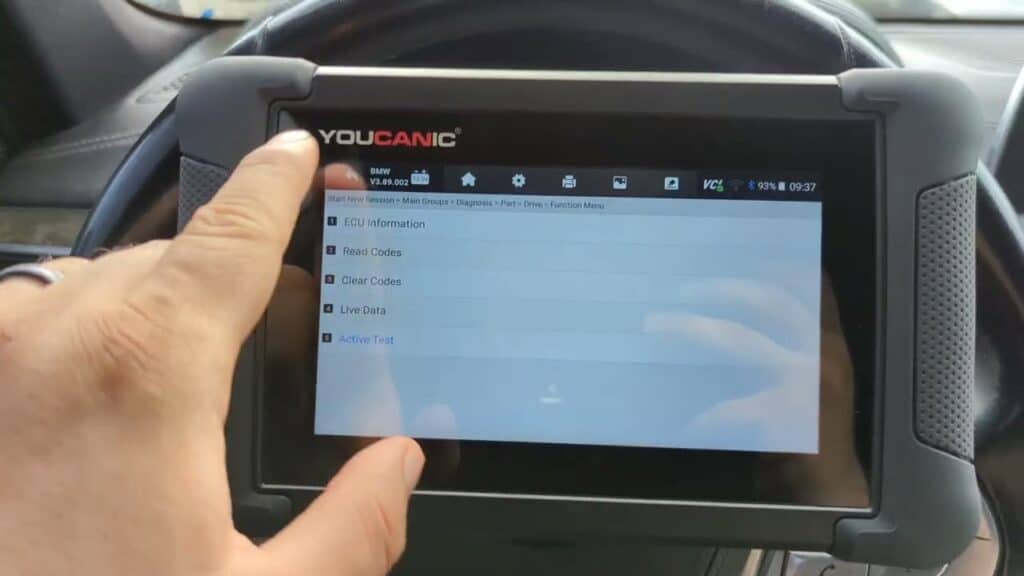
🛠️ Pro Tip: Use an OBD-II scanner to check for error codes related to the issue.
Before taking your car to a mechanic, try these DIY fixes:
If you scan your vehicle with an OBD-II scan tool, you may see one of these codes:
➡️ Yes, you can still drive, but parking assistance features may not work, increasing the risk of collisions while parking or backing up.
➡️ Sometimes, resetting the system can fix the problem. You can reset the error by disconnecting the battery for 30 minutes, using an OBD-II scanner to clear the fault code, or driving your vehicle for a few minutes and turning the car off and on. If a glitch causes the warning message, it often will go away after a restart.
➡️ In most cases, the warning message won’t cause direct long-term damage, but it will disable your parking assist features, increasing the risk of an accident while parking and increasing your repair costs. For example, the Reverse Parking Collision-Avoidance Assist (PCA) may not provide warnings or assist with braking if the ultrasonic sensors malfunction or misinterpreting data.
➡️ This article provides straightforward troubleshooting guides that you can easily follow. If a problem arises from dirt, debris, or slight sensor stains, you can take the initiative to clean the sensors and inspect for any blockages on your own. Additionally, you can perform resets, such as resetting the battery or utilizing OBD-II scanners to erase fault codes and monitor driving cycles. If the problem persists, you can continue the repair with your trusted mechanic or dealer.
The Ultrasonic Sensor Error or Blockage warning can disrupt your vehicle’s parking assistance and proximity alerts, making maneuvering less reliable. Although this issue is not as critical as other safety system malfunctions (except for drivers who heavily rely on the sensors for parking and backing up), addressing it early prevents an inconvenient driving experience, unnecessary repairs, and further system problems. Following these troubleshooting steps and scanning for fault codes can save time and money while ensuring your car remains safe and reliable.
Antonie Labasan is a Registered Mechanical Engineer and Lean Six Sigma Blackbelt who brings practical automotive expertise to our diagnostic guides. With specialized training at VOLVO and years of experience managing diverse vehicle fleets including Toyota, Hyundai, and Kia models, Antonie understands common failure points across different manufacturers. His systematic approach to diagnostics helps readers identify and fix the true source of automotive problems, making his YOUCANIC scanner guides exceptionally effective for DIY mechanics.

Rushit Hila is a dedicated automotive engineer with ASE G1 certification and specialized training from an esteemed Automotive Specialty School. His hands-on experience and technical expertise in advanced diagnostics, system integration, and performance optimization make him a trusted voice in the industry.
Searching...
⭐⭐⭐⭐⭐ 4.8 stars · 247 Verified Reviews
The UCAN-II-D gives you full system diagnostics, bidirectional controls, and lifetime free updates. One scanner. Own it forever.
+ Free shipping · No subscription ever