Systematic EGR Diagnostics: Solving BMW X3 F25 Exhaust Pressure Sensor Blockage
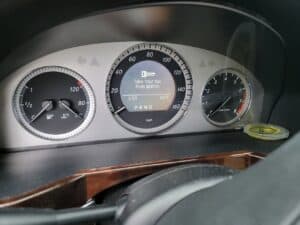
The dreaded engine light came on along with the drivetrain message (car only has 71,000 miles). The appearance of these warning lights can be particularly concerning on a BMW, especially given the relatively low mileage and the potential repair costs at a dealership. Using a basic OBD code reader, the fault read insufficient exhaust gas at EGR, and mass air flow was too high. These codes often send many owners straight to the dealership, but I decided to approach the problem methodically. With my basic mechanical knowledge and logical approach, I decided to check and clean the dirty MAF sensor, which had no effect on the fault code.
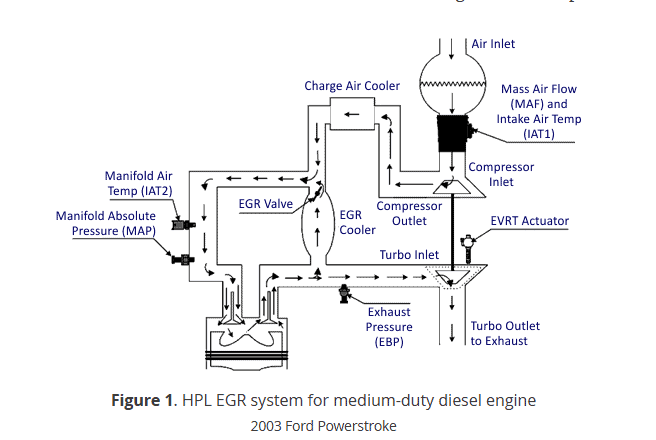
At this point, I decided to do some research and found a generic EGR diagram (See Figure 1), which allowed me to understand the system further. This research phase proved crucial, as it helped me understand how the various components interact with each other. I realized the system had four sensors, so this was my plan to check and clean each sensor. This systematic approach would help eliminate potential issues one by one.

However, before this, I bought the YOUCANIC scanner, which provided me with more detailed faults. The investment in a better diagnostic tool proved to be worth every penny, as it gave much more detailed information than the basic OBD reader.

🔧 Stop paying the dealer for every warning light
Get dealer level diagnostics at home with the YOUCANIC Full System Scanner.
- ✔ Works with all makes and models, including most luxury brands
- ✔ Topology map view shows all vehicle modules on one screen for faster diagnostics
- ✔ Bi directional controls to test fans, pumps, actuators and more so you do not have to guess
- ✔ Special resets and calibrations such as ABS bleed, EPB service, battery registration and more
- ✔ Free lifetime updates with no recurring fees

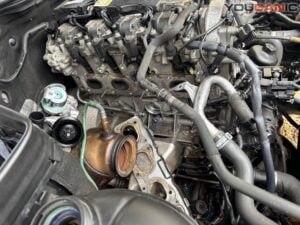
Once I understood these codes and used the diagram, I cleaned and checked the Manifold Absolute Pressure (MAP) sensor. It was almost blocked with a tiny hole in the carbon, just enough to measure the pressure. The fault was still there. Despite finding significant carbon buildup, the persistence of the fault suggested there was more to investigate. The final sensor was the exhaust back pressure sensor connected via a stainless steel tail pipe (see picture below) off the exhaust manifold behind the turbo.
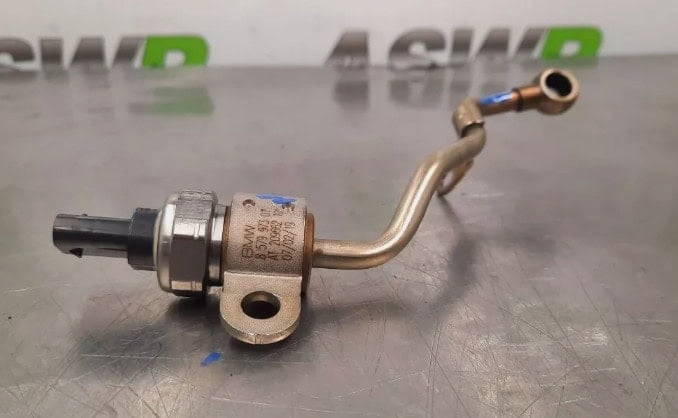
I removed the pipe and blew into it, and yes, it was completely blocked. This discovery was the breakthrough moment in the diagnosis. I cleaned the pipe using copper wire (which I stripped out of electrical wire) and various liquids. Finally, the faults were solved, and I was able to clear all the fault codes.