2006 Ford Power Stroke 6.0 – CEL, White Smoke, Milky Oil & Ticking Noise
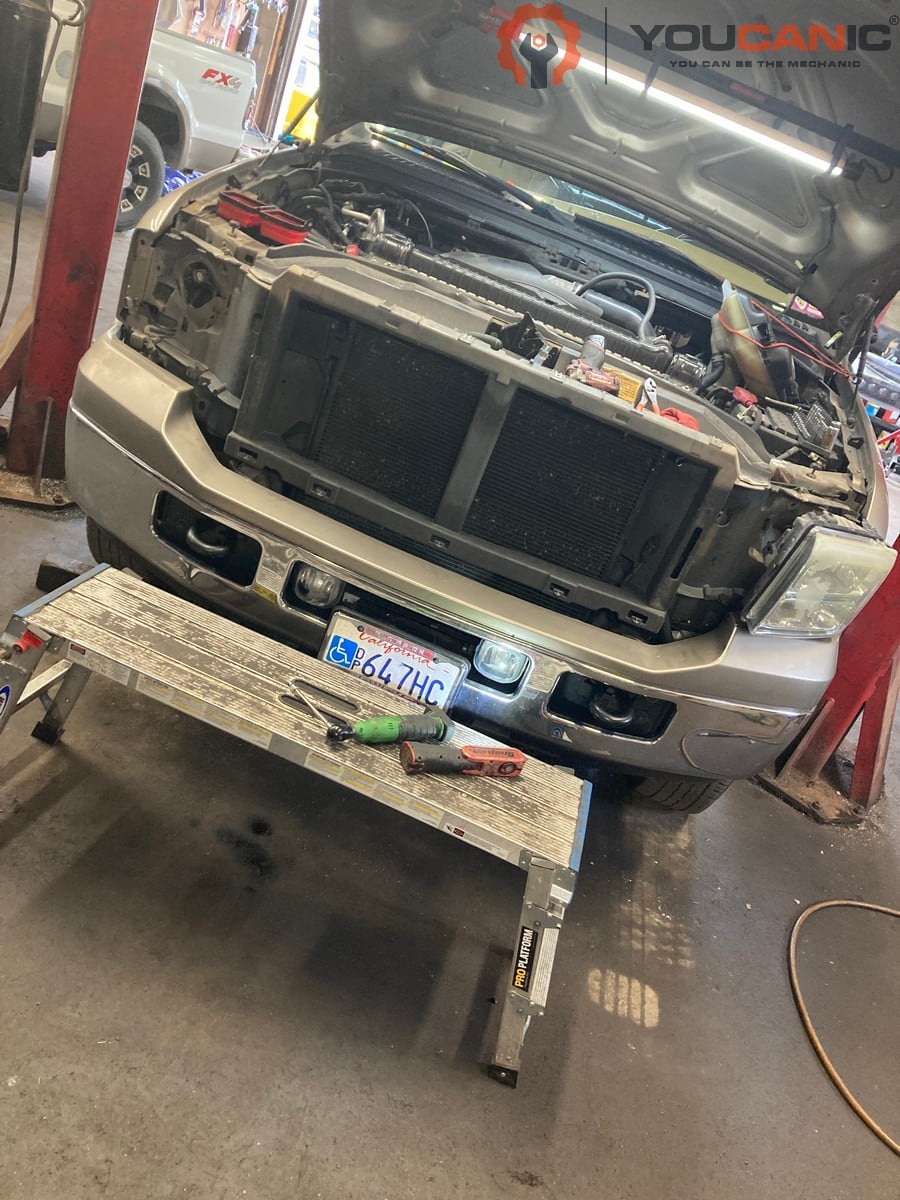
It all started when a customer brought in their 2005 Ford 6.0 Power Stroke, which had been running rough for a while. The truck had experienced noticeable performance issues, including loss of power, excessive smoke, and an unusually high coolant temperature. The engine also showed signs of frequent overheating, leaving the driver with a growing concern.
Diagnostic Process
Using Ford software, I began with a full scan and inspection. The symptoms—especially the white smoke and milky oil—immediately raised suspicion of a head gasket failure or coolant contamination in the engine. The ticking noise and performance issues confirmed this wasn’t a minor repair. After pulling the engine from the chassis and tearing it down, the real picture came into focus.
Upon inspection, we found that the truck’s cooling system was clogged, likely from the use of stop-leak products, which are often used as a quick fix to seal minor coolant leaks, but over time, they can cause severe blockages in the system. This was evident as coolant flow was restricted, and coolant was no longer circulating properly, causing high temperatures and potential engine damage.

🔧 Stop paying the dealer for every warning light
Get dealer level diagnostics at home with the YOUCANIC Full System Scanner.
- ✔ Works with all makes and models, including most luxury brands
- ✔ Topology map view shows all vehicle modules on one screen for faster diagnostics
- ✔ Bi directional controls to test fans, pumps, actuators and more so you do not have to guess
- ✔ Special resets and calibrations such as ABS bleed, EPB service, battery registration and more
- ✔ Free lifetime updates with no recurring fees

After careful diagnosis, we discovered that the #6 piston had been severely damaged, or fried, to be specific. This meant that there was likely an internal issue that had caused a major loss of combustion efficiency in that cylinder. We also found the cylinder was warped, which indicated overheating or improper cooling had caused the head to lose its original shape. A warped head is often a sign of excessive heat, a common consequence when coolant isn’t flowing effectively.
We proceeded with removing the engine from the chassis to fully assess the damage. As we tore the engine down, it became clear that this was not just a simple repair job. The combustion chamber, valves, and piston were beyond repair, and the internal engine components showed signs of excessive wear due to the overheated conditions. This was no surprise considering the damaged cooling system, which had failed to keep the engine at an optimal operating temperature.

The customer was advised on the extent of the damage and the potential risks of attempting to repair the engine with aftermarket parts or re-machining the damaged components. After discussing the options, the customer opted for a new, Ford-remanufactured engine. Given the significant damage and the cost of repairs for the existing engine, a remanufactured unit from Ford was the most reliable and cost-effective solution.
Root Cause & Repair
- A warped cylinder head
- A fried #6 piston
- A coolant system clogged with stop-leak product
The new Ford remanufactured 6.0 Power Stroke engine was then installed, ensuring that all seals, gaskets, and components were replaced with factory-approved parts. We also took extra care to clean and flush the entire cooling system thoroughly, removing any remnants of the stop-leak product that had caused the blockage. The system was pressure-tested to make sure it was free of any clogs or leaks before we reassembled the rest of the engine.
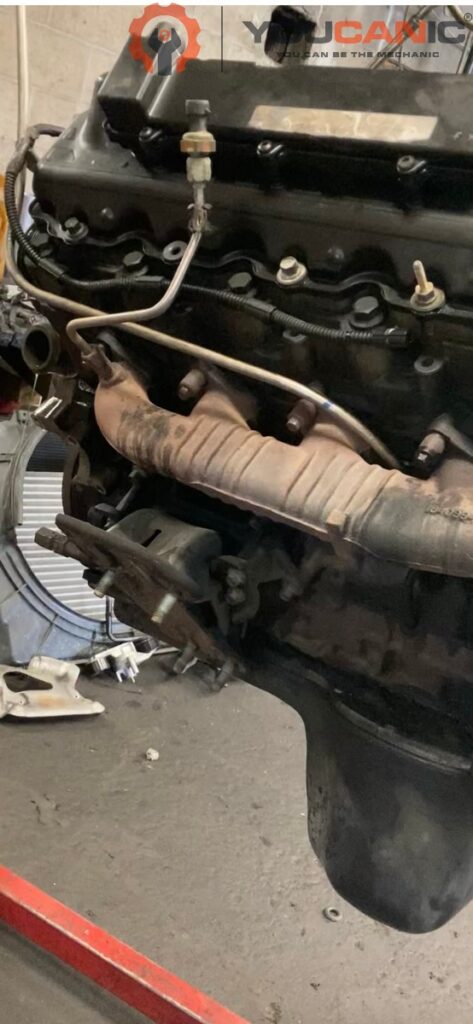
Once everything was in place, we fired up the truck, and the difference was night and day. The engine ran smoothly and quietly, with the power and performance the customer had come to expect from their 6.0 Power Stroke. The coolant system was functioning perfectly, and all temperatures remained within the normal operating range. The customer was thrilled with the results, knowing they had a reliable, factory-remanufactured engine under the hood.
Root Cause of the Issue
- Using a stop leak additive in the cooling system.
- Blown head gasket and melted piston.
Repair Performed / Solution
The engine was pulled from the chassis and torn down. Found that the head was warped and the #6 piston was fried. The coolant system was plugged up with stop leak. The customer requested a new engine, so we installed a remanufactured Ford engine.