2013 Mercedes Benz C180 | How One Bolt Caused so Many Problems!
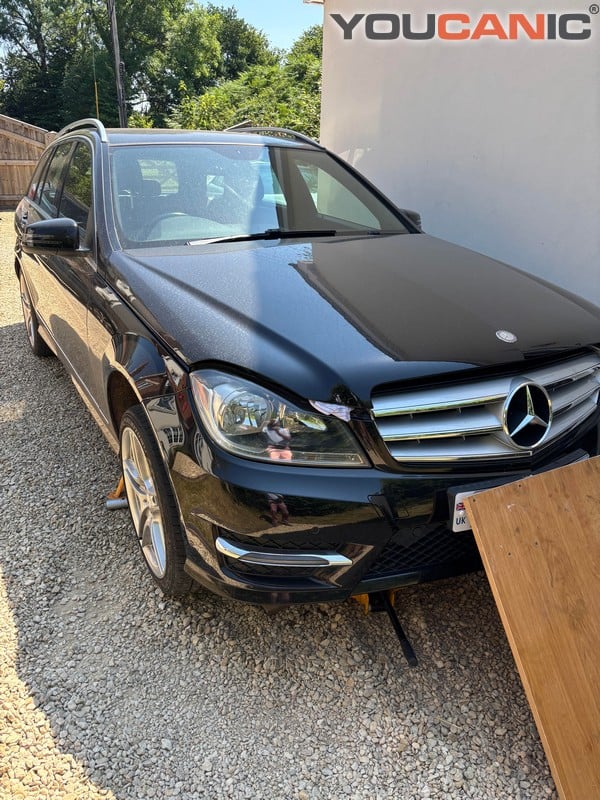
My car, a 2013 Mercedes C180, with 70,000 miles on the odometer, was struggling to stay cool. Engine temperatures would be normal when driving under 70 MPH and on flat land, but as soon as I tried to go up a hill or speed up on the freeway, my temperature gauge would go into the red!
My scanner didn’t pick up any fault codes, and thinking I might be missing something, I decided to take my car to a mechanic for a second opinion. Unfortunately, they weren’t able to find any codes, either.
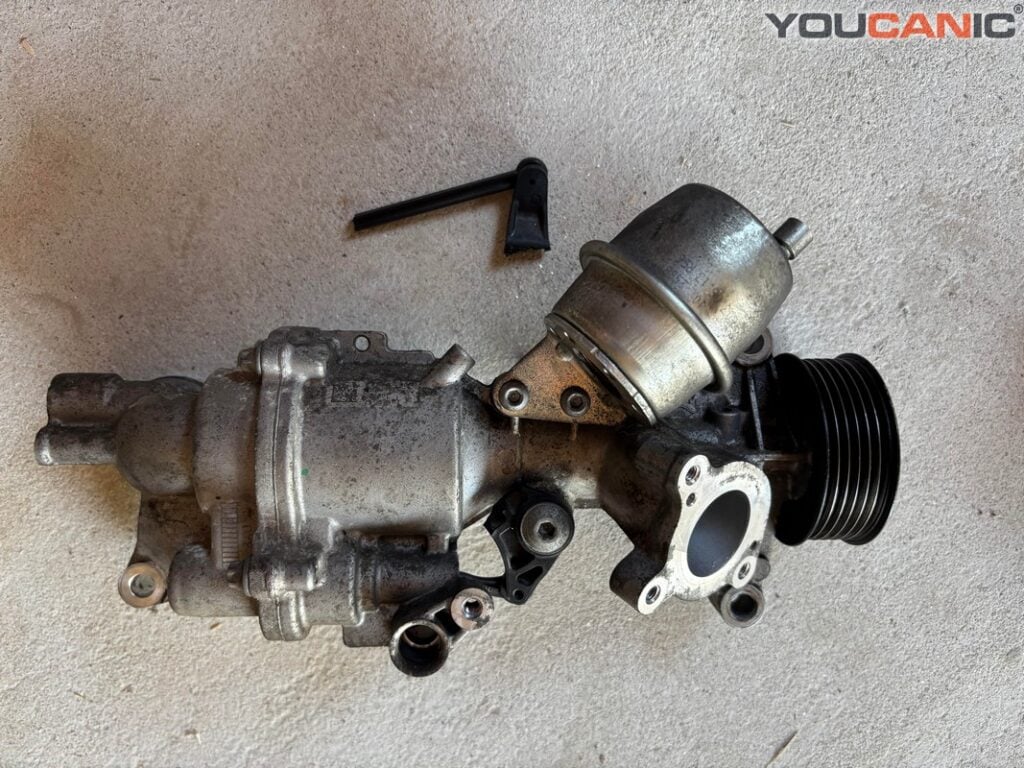
With no fault codes to point me in the right direction, it was time to start swapping parts. Given the mileage on my car, the most likely issues were the thermostat or the water pump. My intuition was spot-on! The water pump was, indeed, not working, but the vacuum was still running as it should, which is why the car wasn’t throwing any codes.

🔧 Stop paying the dealer for every warning light
Get dealer level diagnostics at home with the YOUCANIC Full System Scanner.
- ✔ Works with all makes and models, including most luxury brands
- ✔ Topology map view shows all vehicle modules on one screen for faster diagnostics
- ✔ Bi directional controls to test fans, pumps, actuators and more so you do not have to guess
- ✔ Special resets and calibrations such as ABS bleed, EPB service, battery registration and more
- ✔ Free lifetime updates with no recurring fees
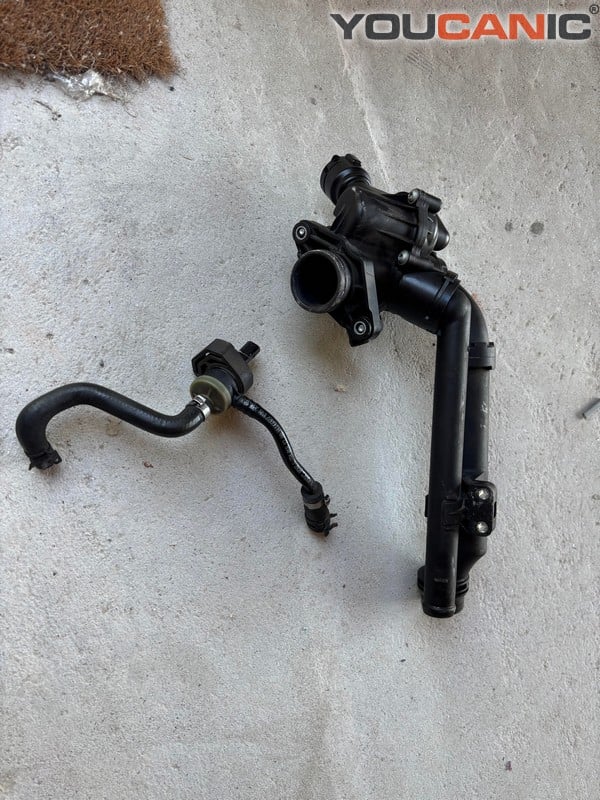
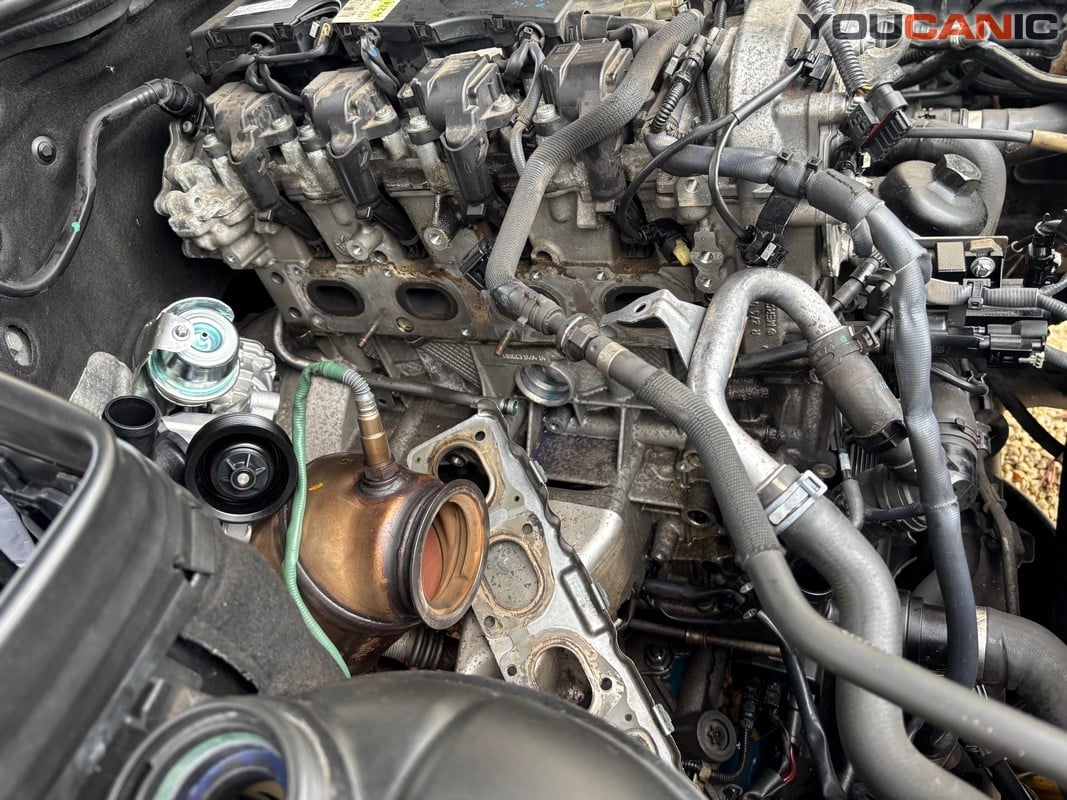
The two end studs on the exhaust manifold had broken off, and the water pump’s vacuum-operated valve was seized solid. All I had to do now was try to replace the bolt that had broken off. I know that centering a drill bit in a 7mm stud 1/4 inch into the hole would be a nightmare, no matter how careful you are with a center punch. Instead, I made a jig to guide a 3mm drill into the stud.
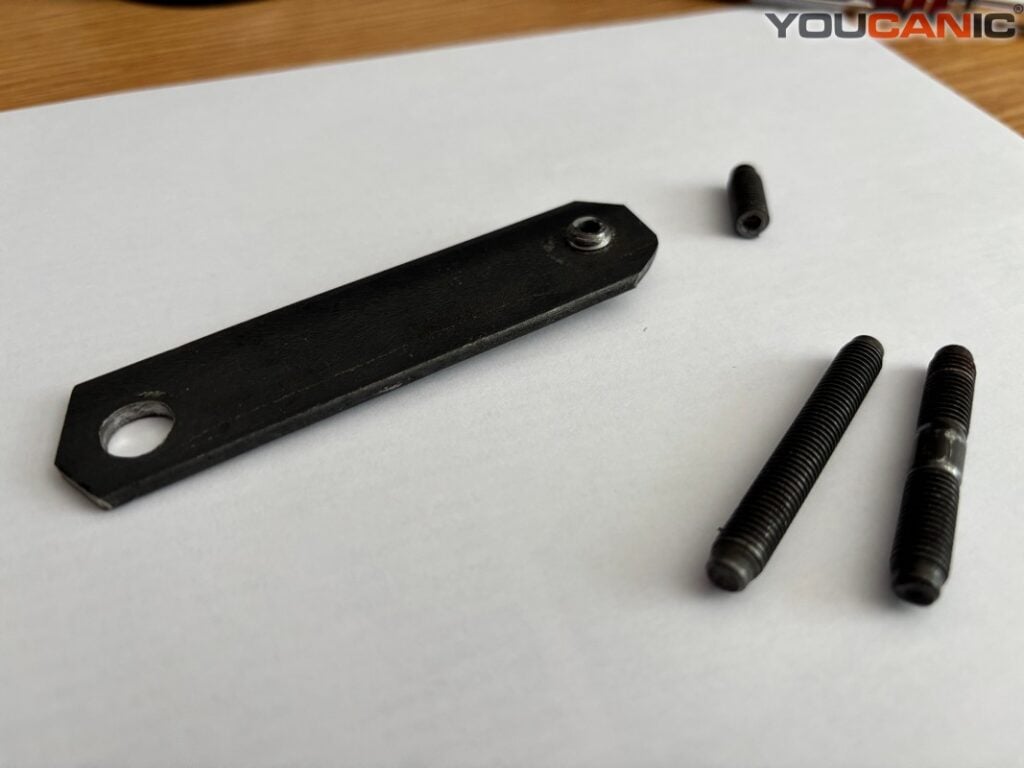
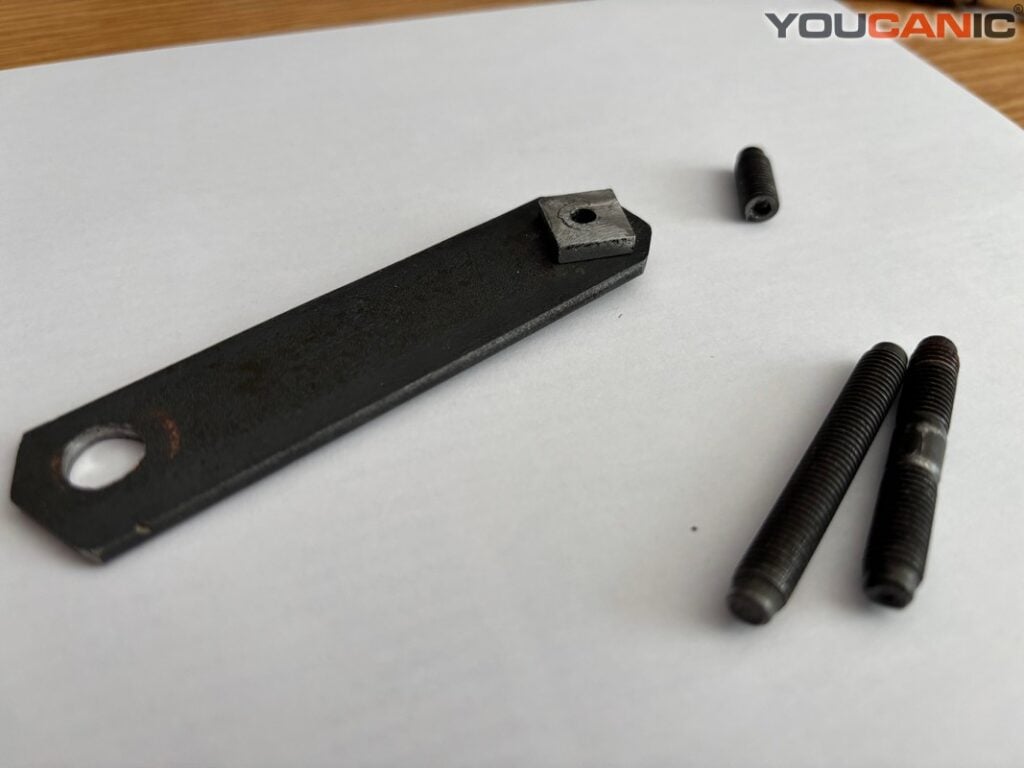
I used a flat plate and threaded round bar screwed into it, with a nose to lock it in the hole, and used a nut to retain it. I used a pillar drill to bore it dead center, then bolted it onto the head with a good stud. I used a Dremel to drill, which let me get it straight in the limited space, and drilled holes with cutting paste.
It worked! The hole was dead center, which was a huge relief. I am replacing all studs with new ones. All parts will be sourced from a Mercedes dealer, which won’t be cheap, but I’m not taking any risks.
While under the hood, I decided to switch out a few more components. I replaced the engine oil cooler, alternator regulator and brushes, free-wheel pulley, idler, and belt tensioner with a new belt. This was a big job that, as of writing this, I am still working on. Both manifolds and the turbo had to be removed, along with all ancillaries that go with them.
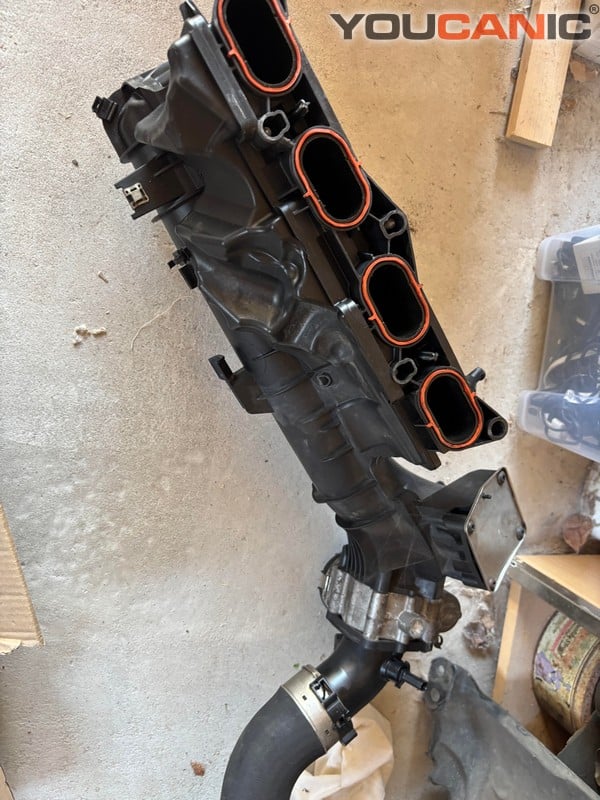
Working on a vehicle of this age, you find everything is tight, which leads to many problems and creative solutions during disassembly. I had to apply heat with a hairdryer to remove one of the large radiator hoses!
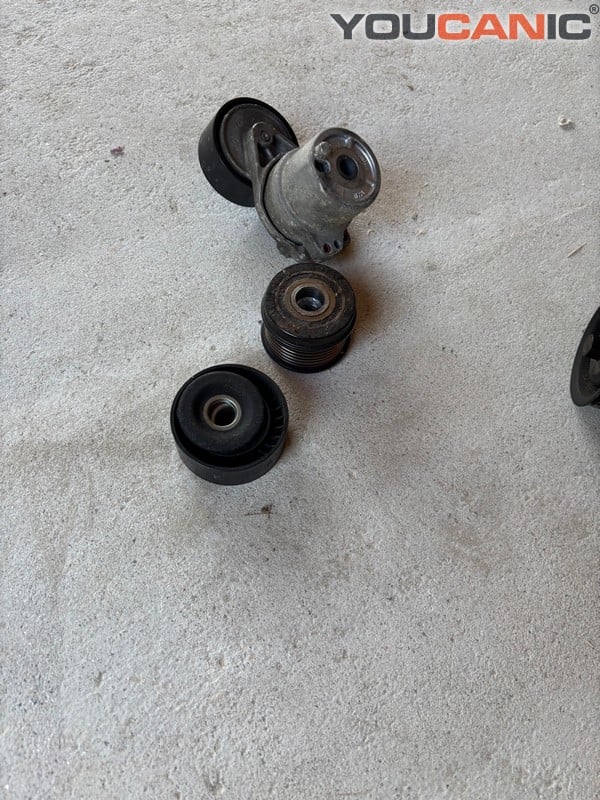
This was not a job for the fainthearted DIY mechanic. I was a mechanic many moons ago, but I wouldn’t want to be one today, given the complexity of newer vehicles and the time pressure I would have to work under. I took my time with this job.