
2016 Lincoln MKZ: A Lesson in Patience
Contributed by:

Reviewed/Verified by:

Multi-symptom vehicles present unique challenges in the diagnostic process. Some vehicles show multiple symptoms that can be traced back to one source, problem, or failure, while other vehicles can have multiple problems that end up being unrelated to each other. When dealing with a multi-symptom vehicle, the first major diagnostic crossroad is determining if there is only one underlying root cause. Making this determination early on can save time and prevent unnecessary part replacement.
This is accomplished by looking for connections between different ailing systems. These connections could be from a common fuse, circuit, or wiring harness, or from components shared by multiple systems (e.g., the cooling fan prevents the engine from overheating and allows the air conditioning system to operate correctly). In these kinds of situations, the key is not jumping to conclusions. Allow the data and testing to determine the diagnostic flow, not a preconceived theory of what could be wrong.
This week’s problematic patient, a 2016 Lincoln MKZ, was suffering from multiple issues: the check engine (CEL) and SRS (airbag) lights were on, the transmission was not shifting properly, and the passenger power seat was not working. At first glance, these symptoms seemed unrelated, but, as I just mentioned, it is important to keep an open mind during the early stages of a diagnosis. To start, I verified the car’s symptoms, ran a fault scan, and then did some visual checks before reviewing the service information for this vehicle.

🔧 Stop paying the dealer for every warning light
Get dealer level diagnostics at home with the YOUCANIC Full System Scanner.
- ✔ Works with all makes and models, including most luxury brands
- ✔ Topology map view shows all vehicle modules on one screen for faster diagnostics
- ✔ Bi directional controls to test fans, pumps, actuators and more so you do not have to guess
- ✔ Special resets and calibrations such as ABS bleed, EPB service, battery registration and more
- ✔ Free lifetime updates with no recurring fees
Thankfully, none of the symptoms were intermittent and were easily reproduced. The CEL and SRS lights came on as soon as I turned the car on; the transmission would only shift out of Park about 50% of the time; and the passenger power seat was indeed not working.
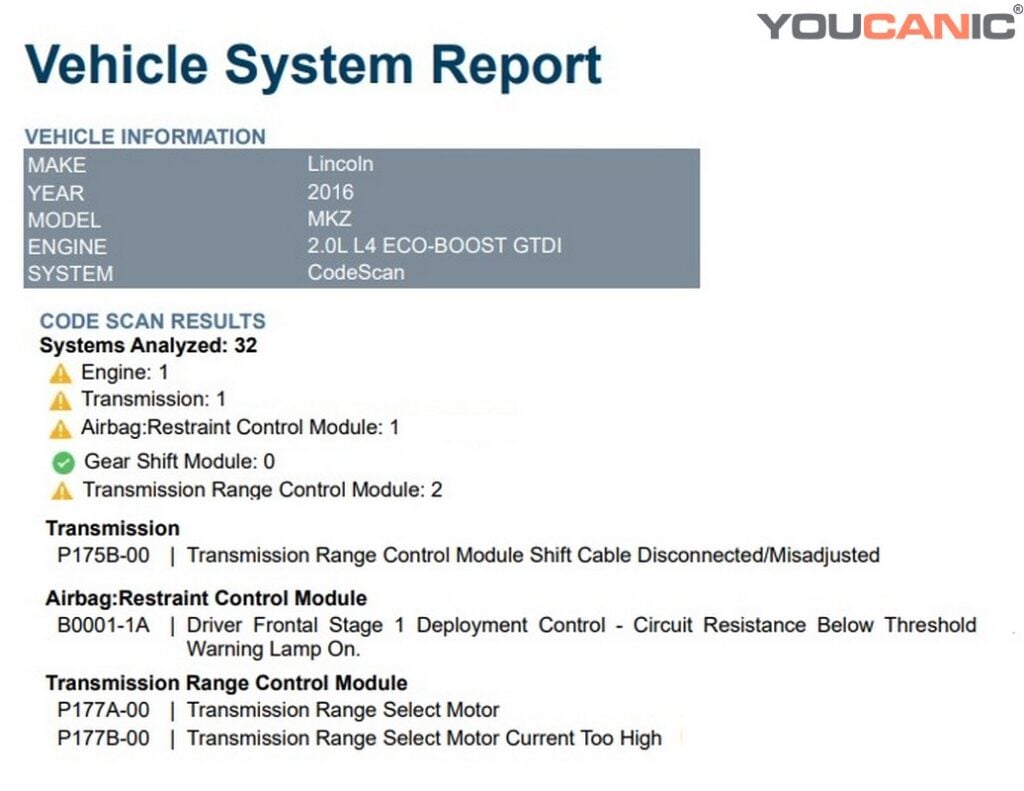
The fault scan was also very straightforward. I found three faults related to the Transmission Range Control Module/Select Motor, and one fault for the Driver’s Frontal Stage 1 Deployment Loop, indicating that the symptoms this car was displaying were all to separate issues.
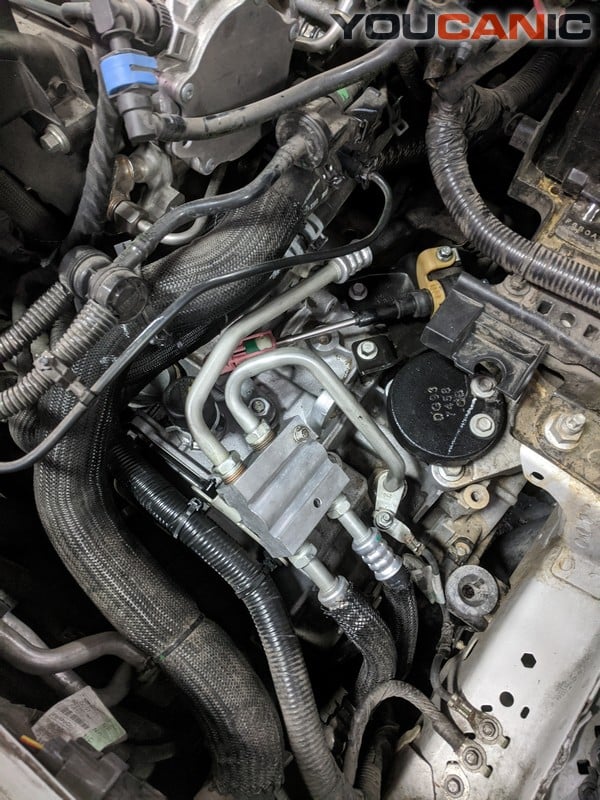
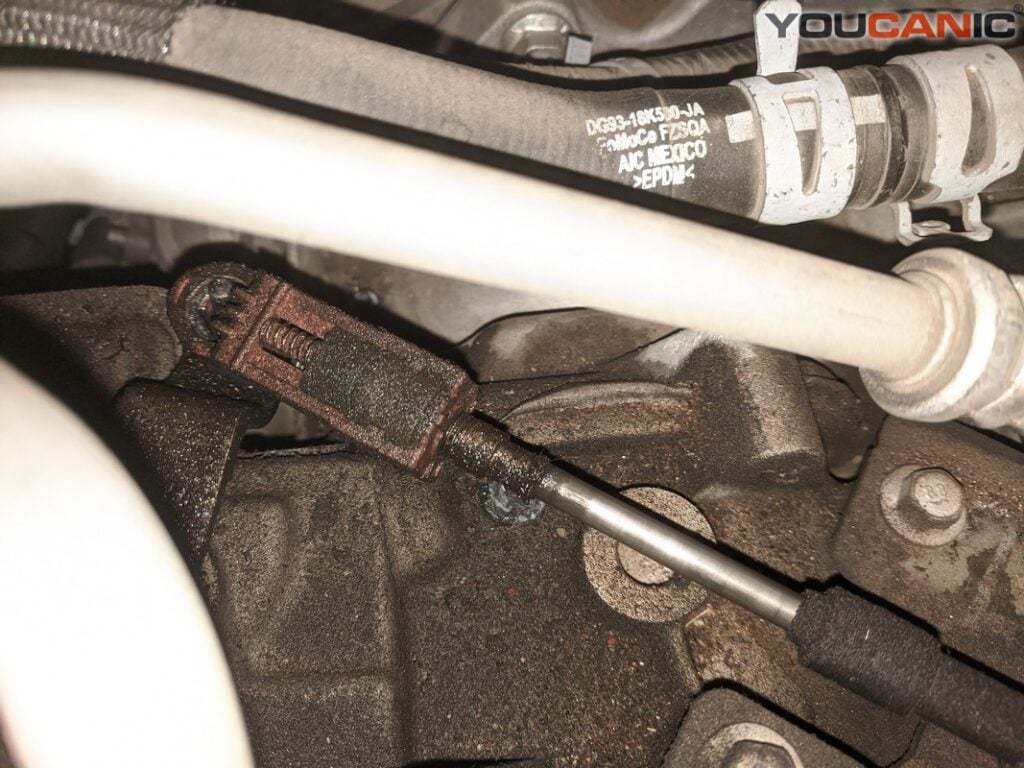
After a visual inspection of the shift cable, I quickly identified one of the problems. The bushing that attached the shifter cable to the shift lever on the transmission had deteriorated, creating excessive movement in the linkage. This was the trigger for the CEL and the cause of the shifting issue.
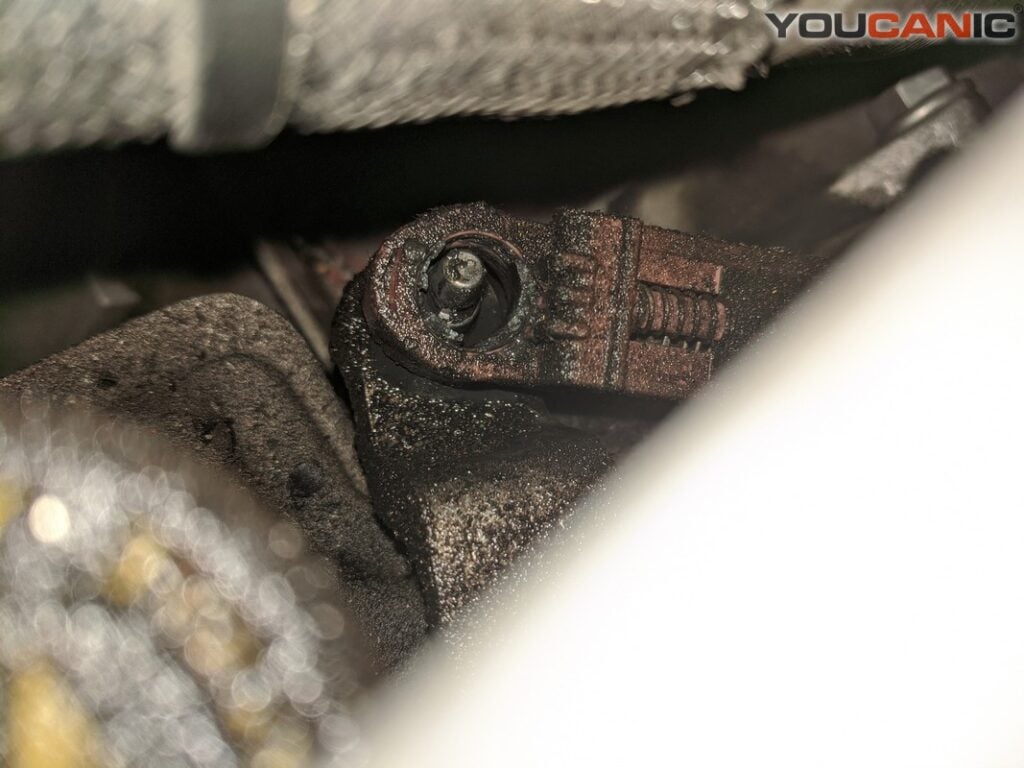
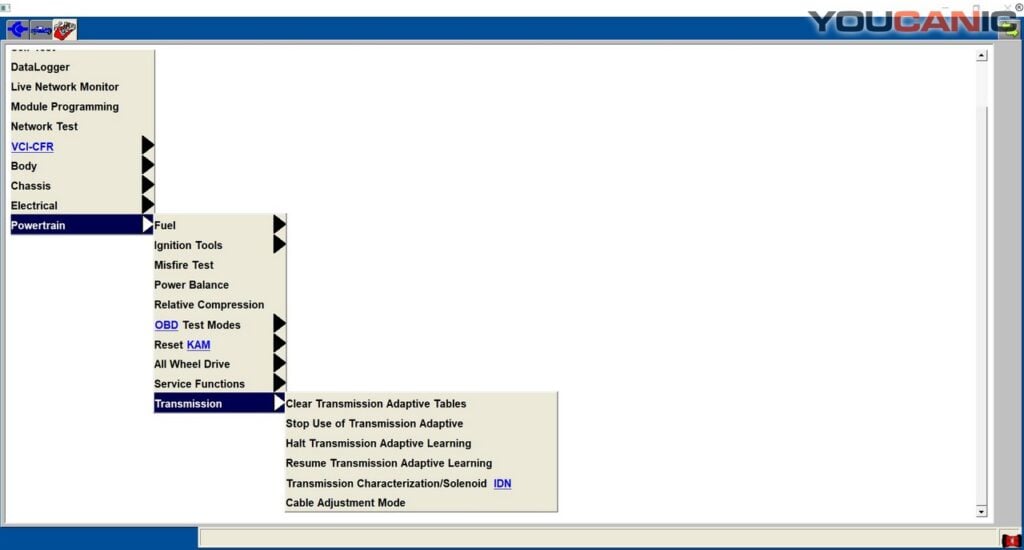
This Lincoln model has a push-button shifter that runs vertically alongside the center display screen and uses an electric motor assembly (the Transmission Range Select Motor) to move the shifter cable after the desired gear button is pushed on the dashboard. After ordering a new shift cable and installing it on this MKZ, the Cable Adjustment Mode was performed with a scan tool. This adjustment mode must be completed; otherwise, the shifter will not operate correctly, and any current fault codes may remain.
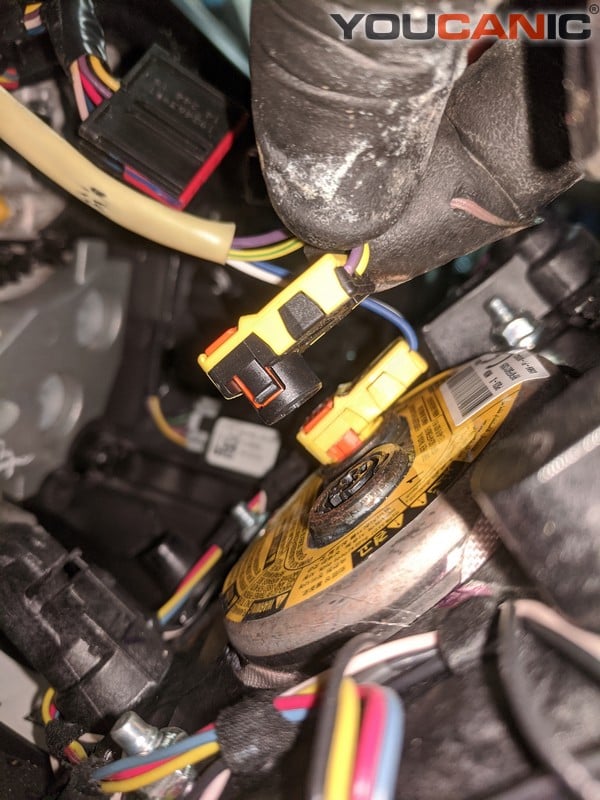
The next problem to tackle was the SRS light. To properly diagnose the problem, I recorded some live data using my scanner and found that the Stage 1 Deployment Loop resistance was out of spec.
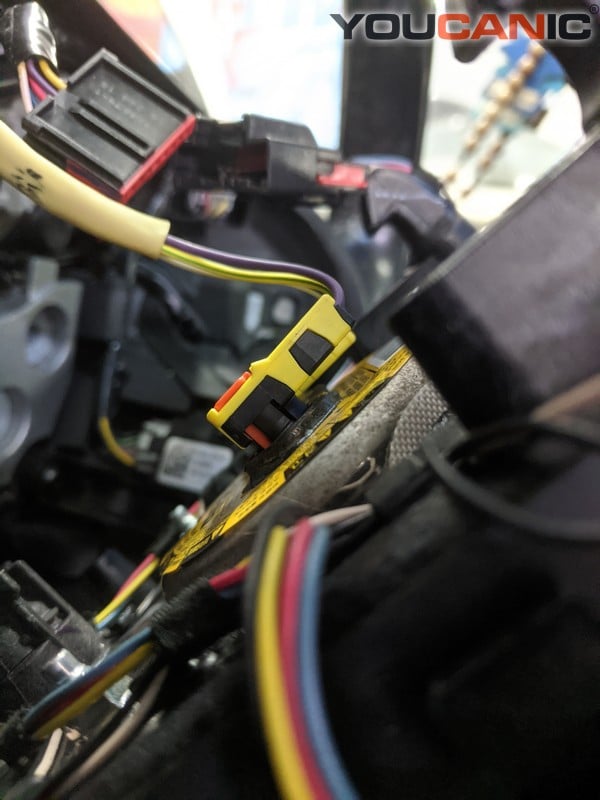
The next easiest step was to remove the driver’s airbag and inspect the wiring and connections. With the negative battery cable disconnected, the airbag was removed from the steering wheel. A careful inspection revealed that one of the connectors was not fully seated in the airbag and pulled loose with barely any pressure. There was no obvious explanation as to why the connector was loose, but once it was correctly installed with the locking tab in place, the deployment loop code cleared from the car’s memory.
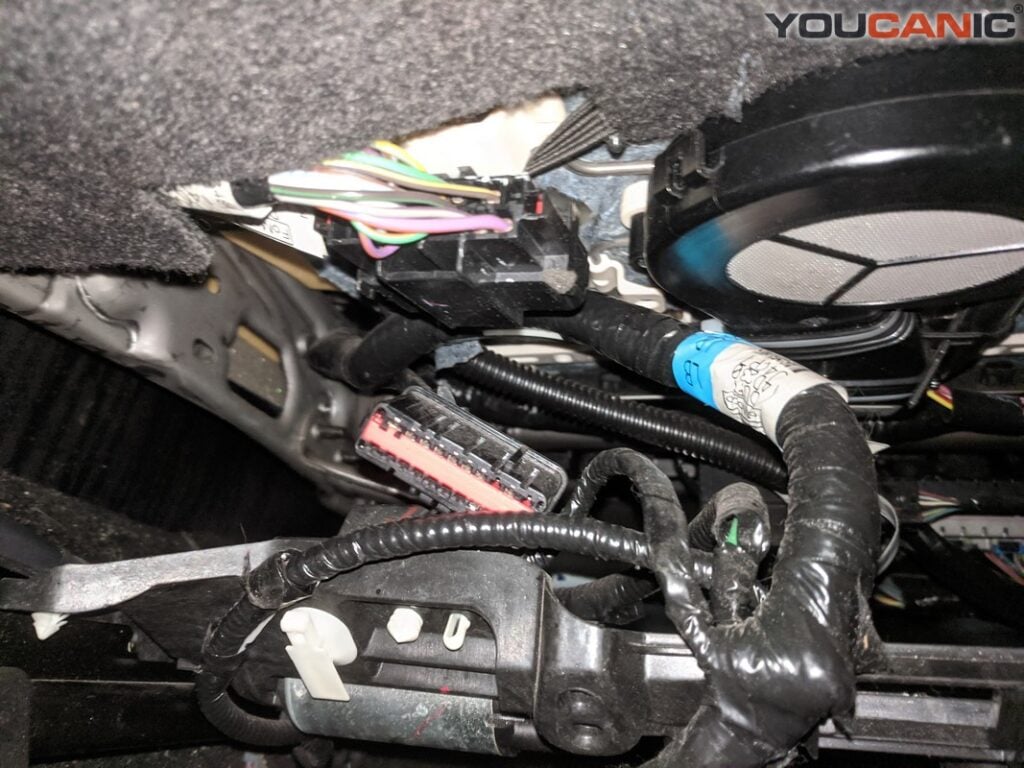
The final symptom that needed attention was the passenger seat, and again, a visual inspection quickly gave me the answer. Looking under the seat revealed that the main harness was unplugged. Typically, this is caused by an excessive amount of clutter or garbage pushed under the seat. With the harness reconnected and zip-tied to the seat frame, I gave this Lincoln a clean bill of health. In the end, this vehicle had three separate failures, resulting in the four symptoms the customer was experiencing.
Bonus Tip
Keeping an open mind and following through on basic diagnostics kept this diagnosis on track and prevented any unnecessary parts from being replaced. When dealing with multi-symptom vehicles, look for connections between symptoms, but don’t become blinded to what the data and tests indicate.