
The 7 Most Common Mistakes That Can Void Your Electric Vehicle Warranty
Electric vehicles (EVs) have robust warranties to protect your investment and ensure trouble-free operation. However, some specific actions or oversights can inadvertently void your warranty. To help EV owners avoid costly mistakes, we’ve outlined the most common factors that could lead to warranty denial.
1. Unauthorized Repairs or Modifications

Performing repairs or modifications using non-certified technicians or aftermarket parts is a quick and easy way to void your EV warranty. EV manufacturers like Tesla, Nissan, and Chevrolet explicitly require authorized service centers to handle repairs, especially for critical components like the battery, motor, and software.
Pro Tip: Always consult your vehicle’s manual and warranty documents before modifying or repairing.

🔧 Stop paying the dealer for every warning light
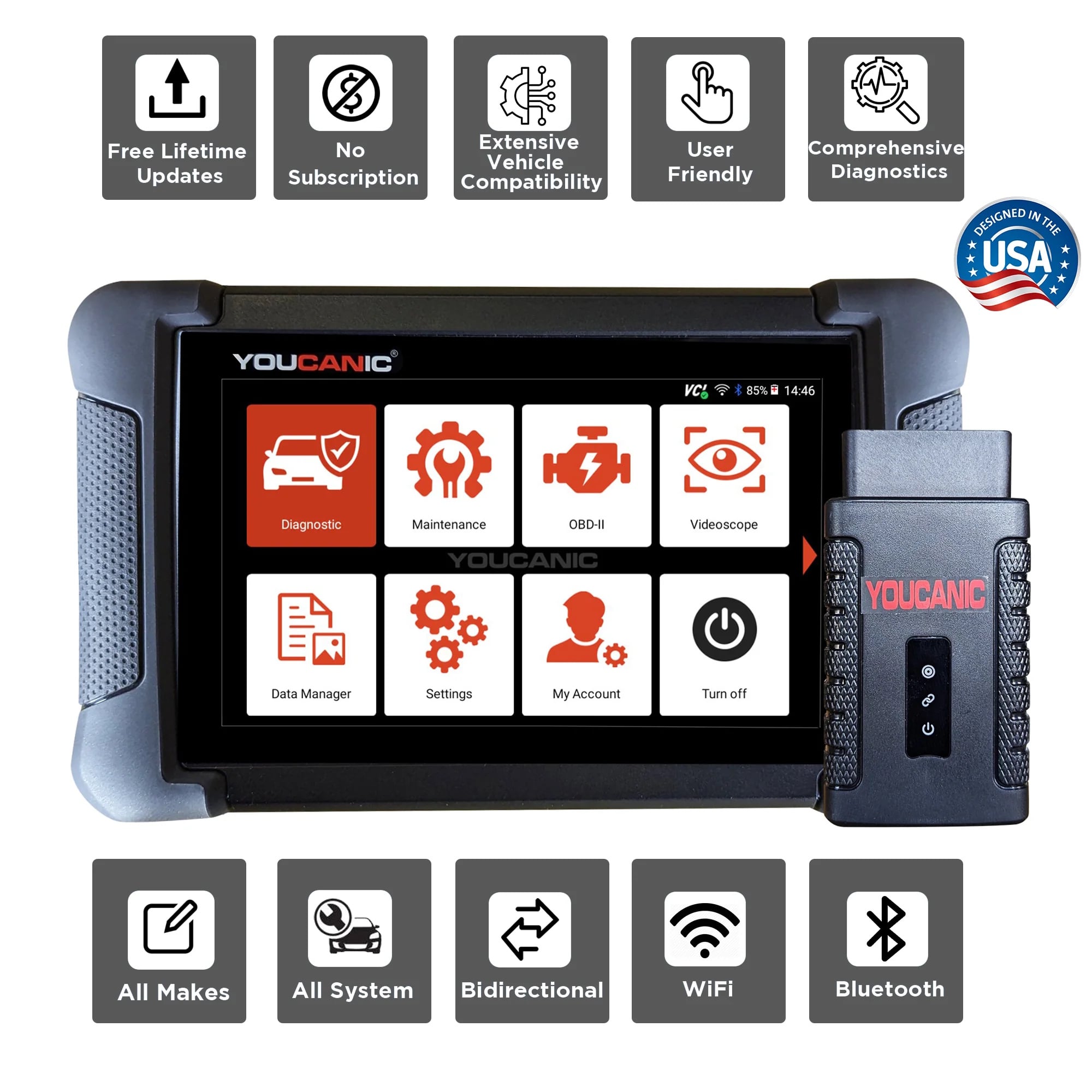
Get dealer level diagnostics at home with the YOUCANIC Full System Scanner.
- ✔ Works with all makes and models, including most luxury brands
- ✔ Topology map view shows all vehicle modules on one screen for faster diagnostics
- ✔ Bi directional controls to test fans, pumps, actuators and more so you do not have to guess
- ✔ Special resets and calibrations such as ABS bleed, EPB service, battery registration and more
- ✔ Free lifetime updates with no recurring fees
2. Neglecting Scheduled Maintenance
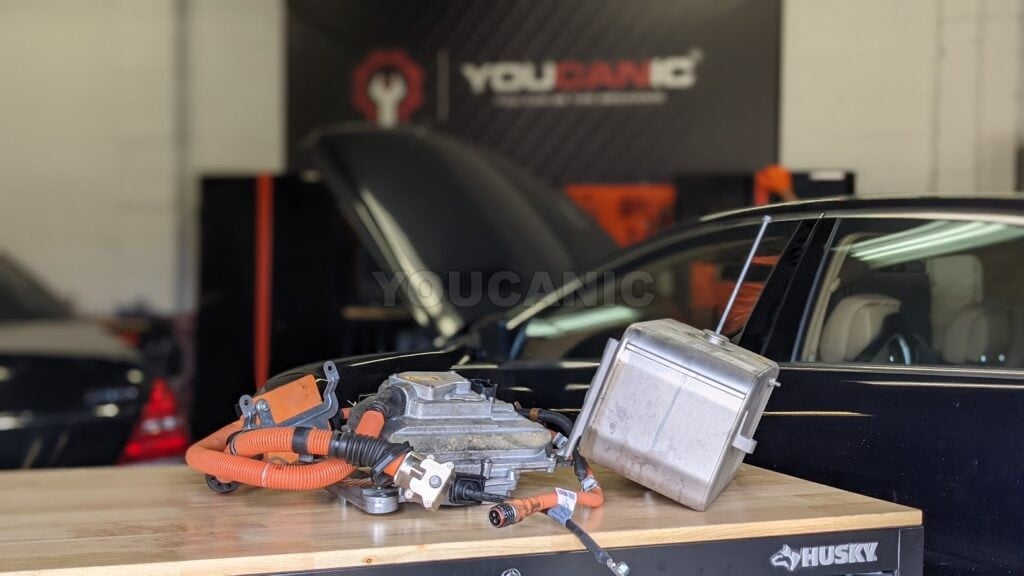
EVs require less frequent maintenance than conventional vehicles, but skipping scheduled check-ups can still lead to warranty issues. Regular inspections, battery health checks, coolant system maintenance, and software updates are necessary to keep your warranty valid.
Pro Tip: Keep detailed service records and perform maintenance exclusively at authorized service centers.
3. Improper Charging Habits

Using incompatible or unauthorized chargers can damage your EV’s battery and void the battery warranty. For instance, consistently fast-charging your EV when not recommended or using substandard equipment can deteriorate battery health prematurely.
Pro Tip: Follow the manufacturer’s recommended charging guidelines and always use certified or approved charging equipment.
4. Accidental or Environmental Damage

Warranty coverage generally excludes damage caused by accidents, collisions, and extreme weather conditions such as flooding or fires. While insurance usually covers these incidents, failure to properly repair such damage using authorized channels can void remaining warranty coverage.
Pro Tip: Report accidents immediately to your insurer and dealership to ensure damage is properly documented and repaired.
5. Software Tampering or Unauthorized Diagnostics

EVs rely heavily on specialized software to manage and monitor system performance. Attempting to alter the vehicle’s software or using unauthorized diagnostic tools may compromise safety features and void your warranty.
Pro Tip: Always use authorized software updates and diagnostic services provided by your EV manufacturer or authorized technicians.
6. Improper Towing, Storage and Exposure

Improper long-term storage or prolonged exposure to extreme temperatures can degrade battery performance, leading to warranty issues. Manufacturers usually specify optimal storage conditions to maintain battery health.
Pro Tip: Store your EV in temperature-controlled environments when possible, and follow manufacturer guidelines if storing the vehicle for extended periods of time.
7. Ignoring Manufacturer Recalls
Ignoring or delaying your response to manufacturer-issued recalls can void your warranty. Recalls address potential safety and performance issues, and failure to comply can shift liability to the vehicle owner.
Pro Tip: Regularly check for recall notices and promptly schedule recommended service visits.
Conclusion
Your EV warranty is a valuable safety net designed to protect your investment, but specific conditions must be met. You can ensure your warranty remains intact by avoiding unauthorized modifications, maintaining proper charging habits, keeping up with scheduled maintenance, addressing accidental damage through the proper channels, and adhering to recall notices.
Explore the extensive library of EV care guides available here on YOUCANIC for additional support and maintenance resources.
EV Warranties by Make
Here are typical EV battery and powertrain warranty coverages (by year and mileage) for popular EV models currently available in the U.S.:
1. Tesla
- Battery & Drive Unit Warranty:
- Model S/X: 8 years or 150,000 miles (minimum 70% retention for some models)
- Model 3/Y Long Range & Performance: 8 years or 120,000 miles (minimum 70% retention)
- Model 3/Y Standard Range: 8 years or 100,000 miles (minimum 70% retention)
2. Chevrolet
- Bolt EV / Bolt EUV:
- Battery Warranty: 8 years or 100,000 miles (minimum 60% retention)
- Electric Powertrain: 8 years or 100,000 miles
3. Nissan
- Leaf:
- Battery Warranty: 8 years or 100,000 miles against excessive capacity loss (below approximately 66.25% retention)
4. Hyundai
- Ioniq 5, Kona Electric:
- Battery Warranty: 10 years or 100,000 miles
- Electric Powertrain Warranty: 10 years or 100,000 miles
5. Kia
- EV6, Niro EV:
- Battery Warranty: 10 years or 100,000 miles
- Electric Powertrain Warranty: 10 years or 100,000 miles
6. Volkswagen
- ID.4:
- Battery Warranty: 8 years or 100,000 miles (minimum 70% retention)
7. Ford
- Mustang Mach-E / F-150 Lightning:
- Battery Warranty: 8 years or 100,000 miles (minimum 70% retention)
- Electric Powertrain Warranty: 8 years or 100,000 miles
8. BMW
- BMW i4, iX, i7:
- Battery Warranty: 8 years or 100,000 miles (minimum 70% retention)
9. Audi
- Audi e-tron / Q4 e-tron:
- Battery Warranty: 8 years or 100,000 miles (minimum 70% retention)
10. Mercedes-Benz
- EQB, EQE, EQS:
- Battery Warranty: 10 years or 155,000 miles (minimum 70% retention)