Catastrophic Failure: How We Saved a 2015 Chevy Traverse With a Full Engine Swap
Contributed by:

A customer recently came in complaining that her engine was running rough, and the check engine light was flashing aggressively on the dashboard. I was greeted with an engine misfire when I went to test drive this 2015 Chevy Traverse. Not only was there a misfire present on start-up, but the SUV remained under load during the drive. The check engine light flashed, and a “service engine soon” message also appeared on the dashboard. The customer was not able to provide background information as to when this issue started.

Using my Matco Maximus Pro 4.0 diagnostic scanner, I began by looking for codes related to the issue. Diagnostic trouble codes (DTCs) for a misfire on cylinders 2, 4, and 6 immediately appeared. This indicated that the entire bank was misfiring. Next, I turned to Identifix to find this Chevy’s wiring diagram, looking specifically for power and ground circuits to the bank injectors and ignition coils. Once I found what I needed, I checked for power to ground and signals to coils on the bank using my trusty Power Probe 3. All circuits tested good. Scratching my head a bit, I decided to check the fused circuit for the power supply to the bank for coils, and this fuse also tested good.

This type of motor has a direct injection fuel system setup, so testing at the injectors is not possible without removing the intake manifold. Using my diagnostic scanner to check the fuel system for pressure sensors and injector functionality, I found that the ideal fuel rail pressure and actual pressure were within 2-4 psi of each other, meaning there were no issues with the fuel system from the fuel rail to the injector.

🔧 Stop paying the dealer for every warning light
Get dealer level diagnostics at home with the YOUCANIC Full System Scanner.
- ✔ Works with all makes and models, including most luxury brands
- ✔ Topology map view shows all vehicle modules on one screen for faster diagnostics
- ✔ Bi directional controls to test fans, pumps, actuators and more so you do not have to guess
- ✔ Special resets and calibrations such as ABS bleed, EPB service, battery registration and more
- ✔ Free lifetime updates with no recurring fees

Next, I tested the difference in pressure drop of the injectors using a scanner. Every injector was within a 2-4 psi drop between them, and no fault codes were found. I removed and checked the spark plugs in cylinders 2, 4, and 6 for gaps or any indication of electrode or porcelain damage, which could lead to misfires. The cylinder 4 spark plug was wet with oil, so performing a compression check on the cylinder was the obvious next step. Found 0 compression on cylinder 4. Using an inspection camera inside cylinder 4, I found that the piston had a noticeable crack, which allowed oil to enter the cylinder, dropping compression, and leading to the entire bank misfiring

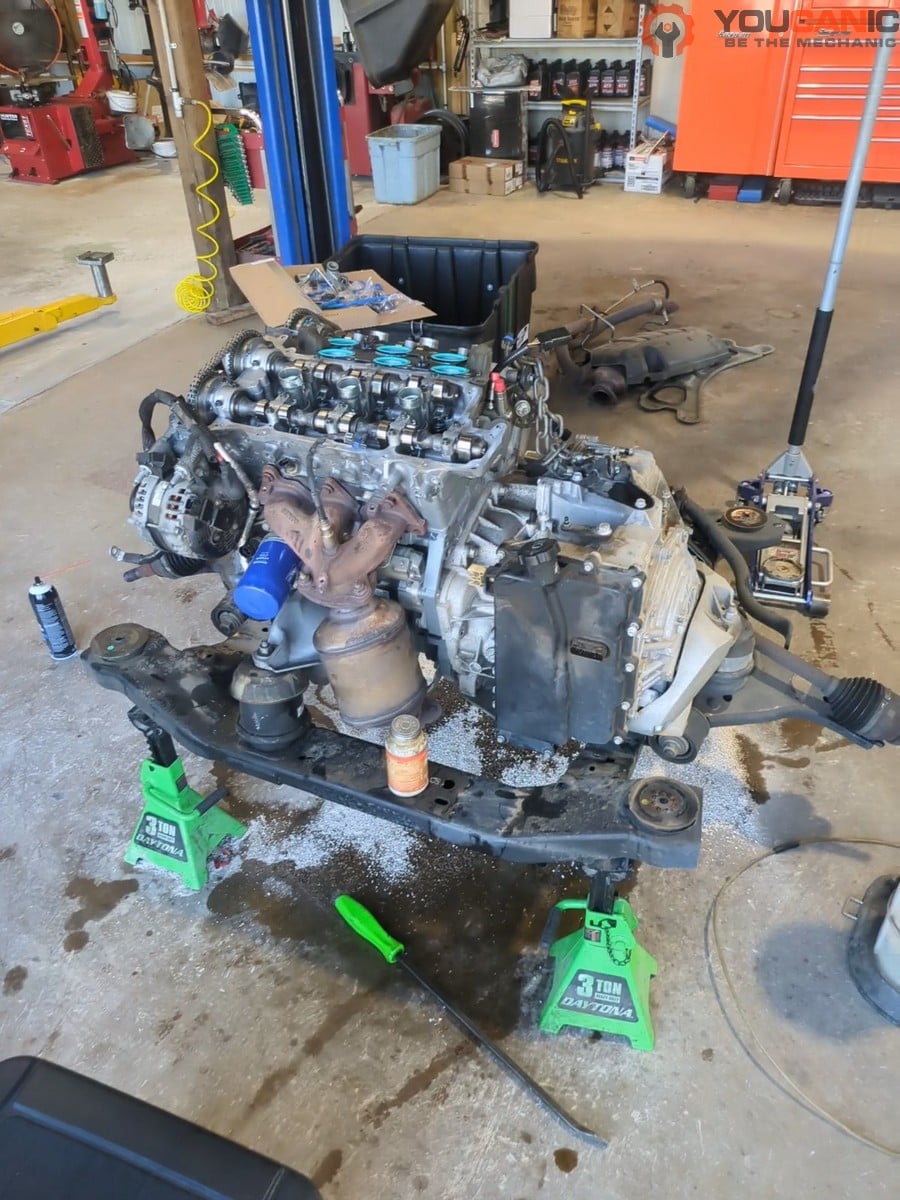
We recommended an engine assembly to the customer. A possible fuel dump and spark plug washout could have created excessive compression in the cylinder, causing the piston to fail and leading to the problem. The customer couldn’t provide any information regarding when this problem started, so we were not able to pinpoint exactly when the fault started. To complicate matters further, freeze frame data was not available on my scanner for this vehicle.
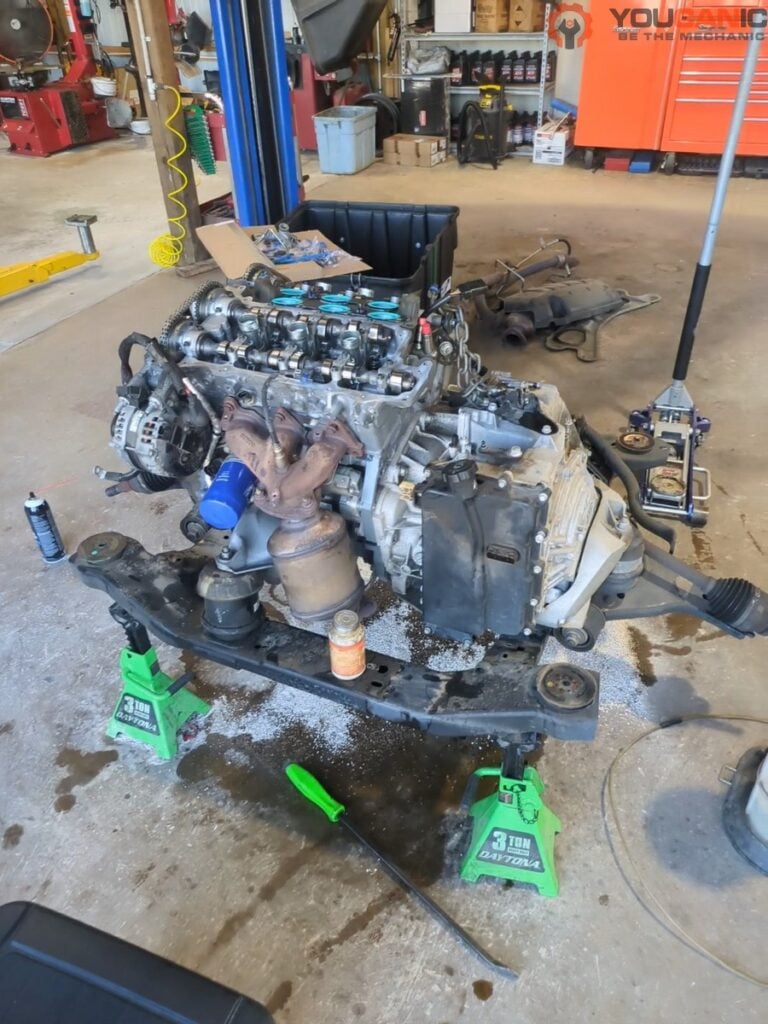
Because of the amount of internal damage to this Chevy’s motor, it ended up being cheaper to replace the whole thing. A long block engine was installed, and after a quick test drive, she was running as good as new.

Bonus Tip
On this engine, found in the Traverse, Acadia, and Saturn Outlook, the direct injection fuel system is prone to problems. When you notice engine and performance issues, always check fuel pressures for this motor and fuel rail pressure sensor readings first. The ignition coils are also on even and odd circuits, so it is important to check if the whole bank is misfiring. It is overall a good motor, but the fuel system is a potential problem for a lot of concerns with this motor