From Broken to Back on the Road: How I Saved My 2015 Ford Focus SE
When buying a rebuilt car, you must be prepared to accept someone else’s past mistakes. Sometimes, this could be a cosmetic issue, such as a misaligned bumper, a patchy paint job, or a rattling trim piece. Other times, these issues are hidden, buried deep in the wiring harness or under a panel where no one ever thinks to look until it is too late.
My rebuilt 2015 Ford Focus SE was no exception. The wheel well covers had been haphazardly slapped into place, and the car’s Powertrain Control Module (PCM) was hanging on by a couple of zipties. The problems that this car caused me taught me the importance of having a good scanner and gave me a better understanding of automotive electronics.

Everything was running smoothly until one gloomy evening. I was driving down the road when I hit a raccoon. The impact was just hard enough to cause my PCM to fall out, and one of the connectors to come loose. In hindsight, this shouldn’t have been all that surprising, given the state the PCM had been left in by the previous owner, but I was still rightfully upset.

🔧 Stop paying the dealer for every warning light
Get dealer level diagnostics at home with the YOUCANIC Full System Scanner.
- ✔ Works with all makes and models, including most luxury brands
- ✔ Topology map view shows all vehicle modules on one screen for faster diagnostics
- ✔ Bi directional controls to test fans, pumps, actuators and more so you do not have to guess
- ✔ Special resets and calibrations such as ABS bleed, EPB service, battery registration and more
- ✔ Free lifetime updates with no recurring fees
After putting the PCM back in place, making sure to reinforce it so that it wouldn’t come loose again, I noticed several engine issues right away. A sticky engine warning message appeared on my dashboard, and I was experiencing a choppy engine idle and terrible acceleration. Great, this is exactly what I needed.

With my trusty YOUCANIC Scanner in hand, I rolled up my sleeves and got to work. Immediately, my scanner displayed active codes P0204, P0304, and P0316, indicating a PCM misfire.
The next step in my repair journey was to check live engine data. This process was tedious. Intermittent flashes of odd readings that made no sense to me. It was as if the PCM itself couldn’t decide what signals it was sending or receiving.

In simpler mechanical days, a stumble at idle might mean a clogged fuel filter or a bad spark plug. Today, cars are a jumble of wires and electrical modules, with the PCM being the brain of the whole operation. A loose or compromised connection can trigger any number of fault codes or dashboard warning lights.
Feeling discouraged, I reached out to a friend who had a wiring harness diagram for a similar Ford. After some robust casting, it was time to inspect the wiring on my PCM.
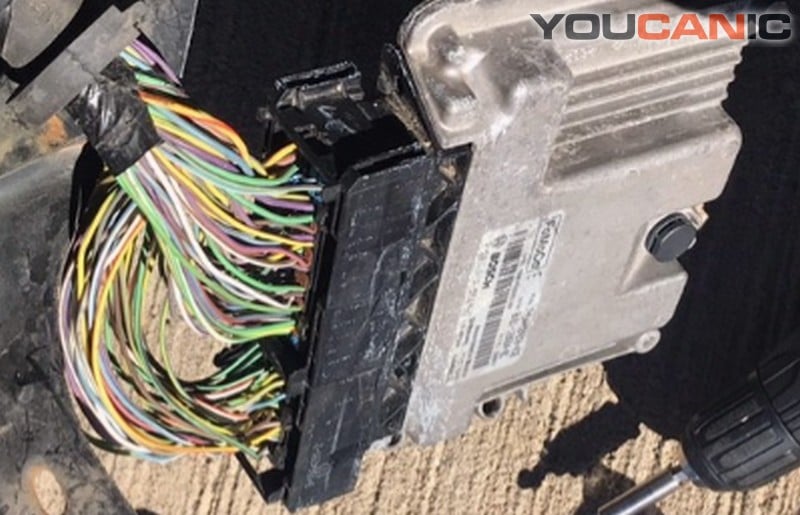
Since the PCM wasn’t mounted properly, every bump and pothole would put a strain on the module’s very delicate connections. Even worse, the module was missing the leverage handles, which keep the PCM securely in place, making every bump on the road even more stressful on the system.
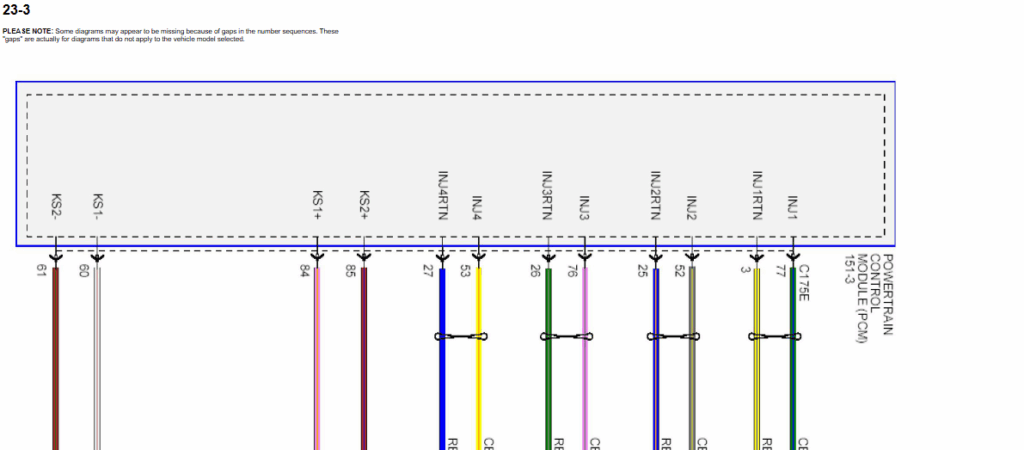
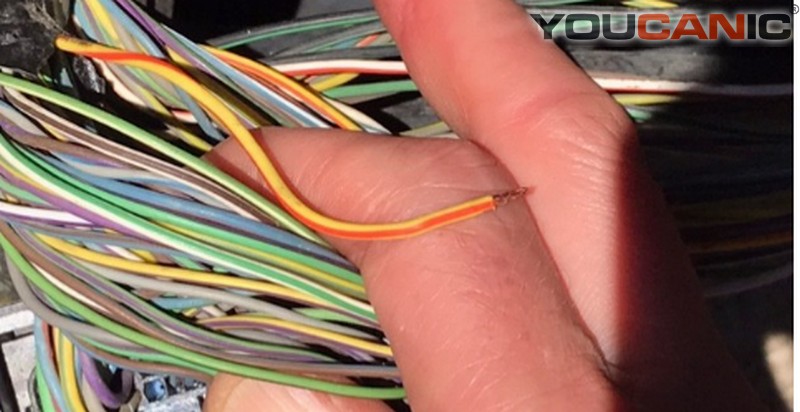
It was time to roll up my sleeves. Without the harness leverage handles, I had to be very patient while prying the wiring harness out. Once I finally found what I needed, I immediately found that one of the control wires had slipped free from its terminal almost effortlessly, which explained the random open circuit errors I was seeing.
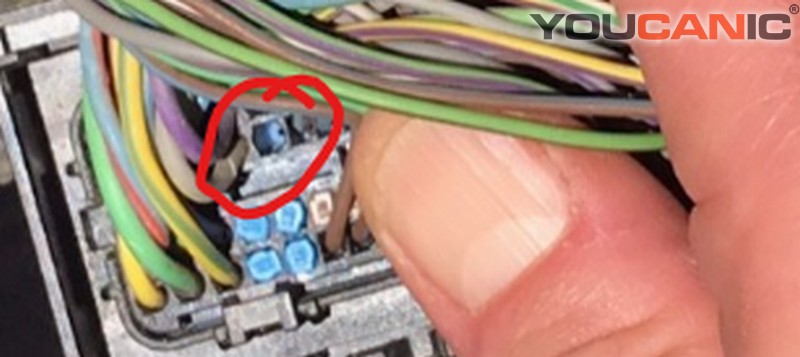
I started by inspecting the coupler housing and found that the locking arms had been broken. Using a pick tool, I was able to pull the damaged pin out. It slid out too easily, which pointed to weak retention in the wiring harness.
Thankfully, I was able to confirm that the housing itself wasn’t destroyed, which means I could be able to resecure the pin. Using some zip ties and crazy glue, everything was, hopefully, good to go. It wasn’t pretty, but at least it was secure.

Now came the ultimate test. Would my Ford Focus Run?
The answer was an immediate yes. The engine idled smooth, the lights on the dash disappeared, and acceleration was perfect. After days of frustration and endless re-checking of DTCs, the car was back on the road, ready to run.
Back on the Road
Now my 2015 Ford Focus SE runs smooth as butter! This experience turned what could have been a frighteningly expensive PCM replacement into a satisfying DIY success story. The fix required not just mechanical skills, but also patience, diagnostic sleuthing, and creative problem solving.
With enough persistence and patience, and a good wiring diagram and scanner, anyone can diagnose and repair even the most daunting and frustrating of car repairs.
Thanks to a few tools, some zip ties, a dab of glue, and a lot of stubborn determination, I’m back on the road, rolling along with a smooth idle, no warnings, and plenty of acceleration.
— Nyle C. Neta