
Mercedes-Benz ABC (Active Body Control) Bleed Procedure – Rodeo Test
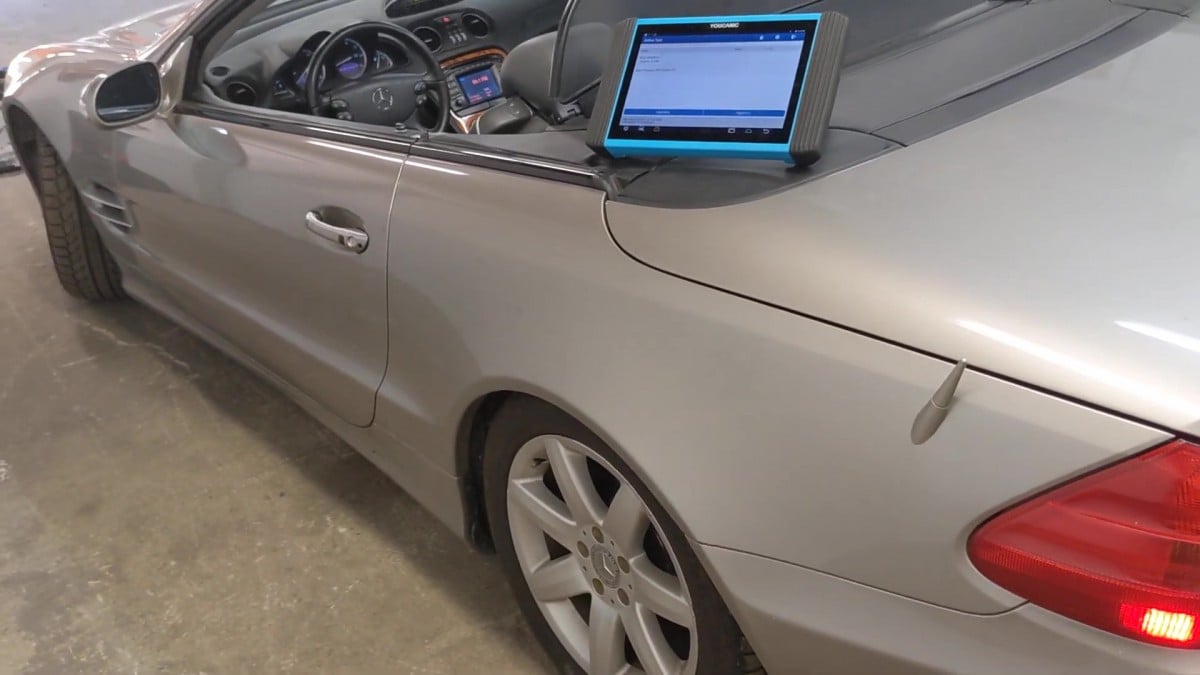
The “rodeo” test or dance is used to diagnose and calibrate the ABC system. During the test, the car is rapidly raised and lowered, causing the suspension to move, triggering the system’s sensors. This test helps to ensure that the ABC system is functioning correctly and can respond to sudden changes in driving conditions. ABC system bleeding (Rodeo Test) should be performed every time you replace the ABC pump, strut, or an ABC hydraulic line, or any other procedure that introduces air into the system. In the following video, we demonstrate how to perform the Mercedes-Benz Rodeo Test using the YOUCANIC scanner.
Are you more of a visual learner? Follow along with our video guide below!

Procedure
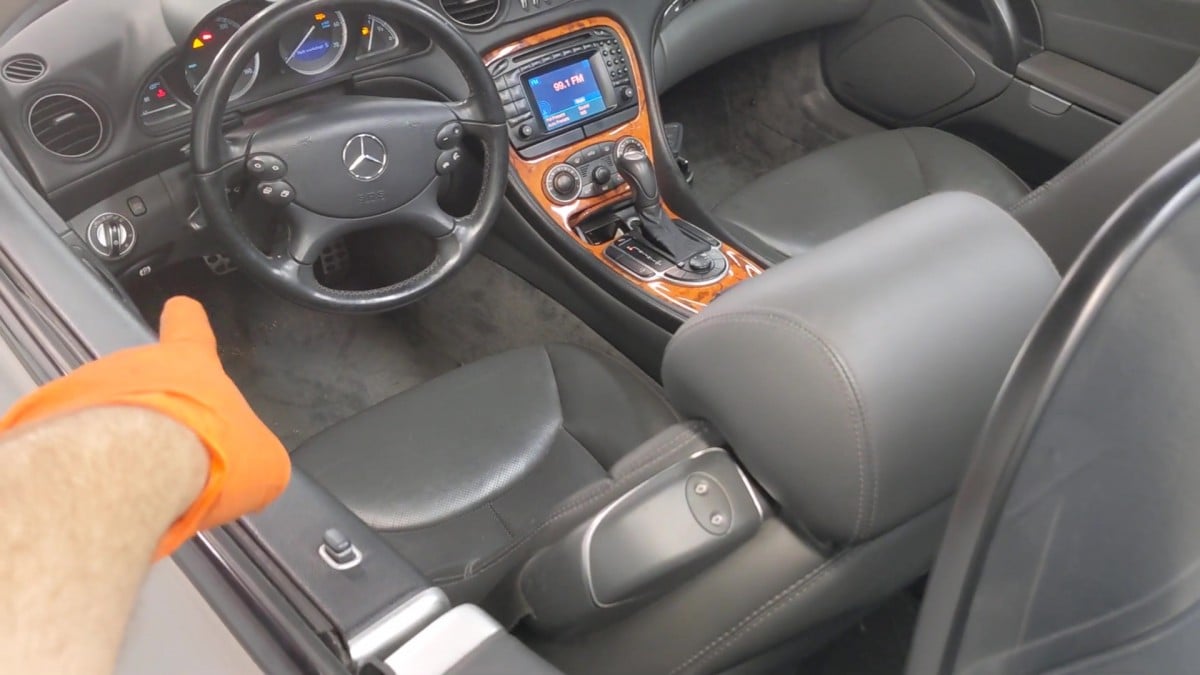
- Find the OBD-II port on the left side of the steering wheel at the bottom of the dash. Open the port cover and connect the scanner to the port.

- Turn on the ignition.
- Turn on your Scanner and choose the car’s model. If using Star Diagnostic C3, C4, and C5, open up Xentry and select your chassis. Press F2 a few times to get to the diagnostic menu.
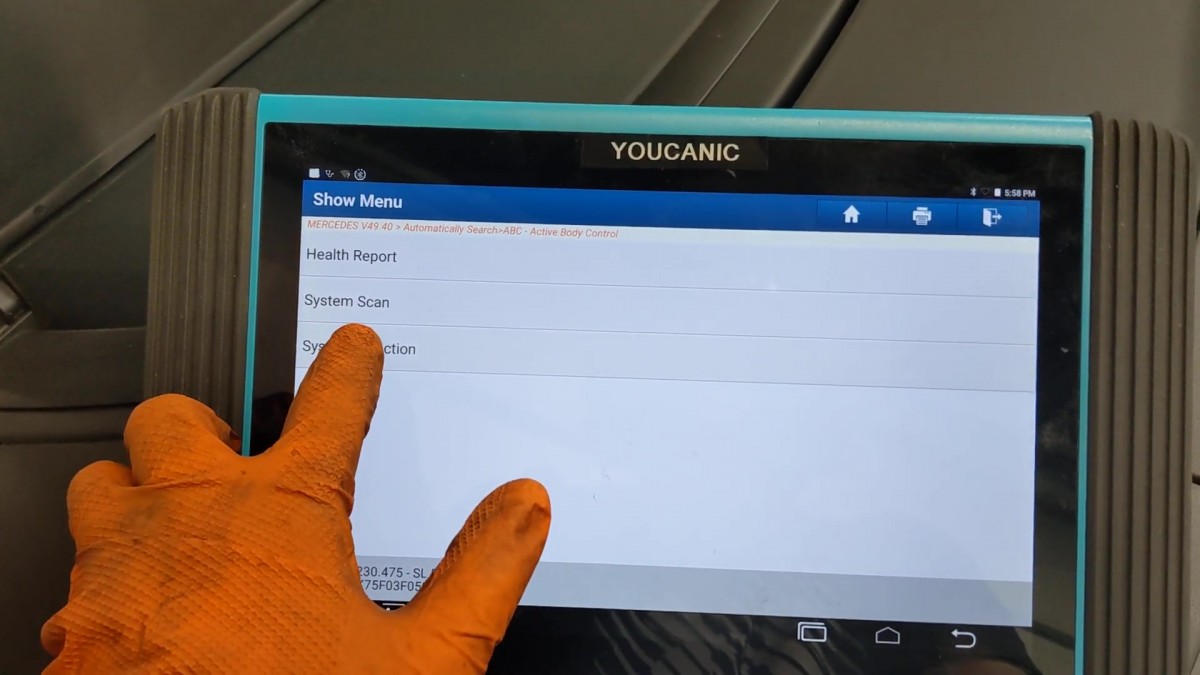
- Choose System Selection.
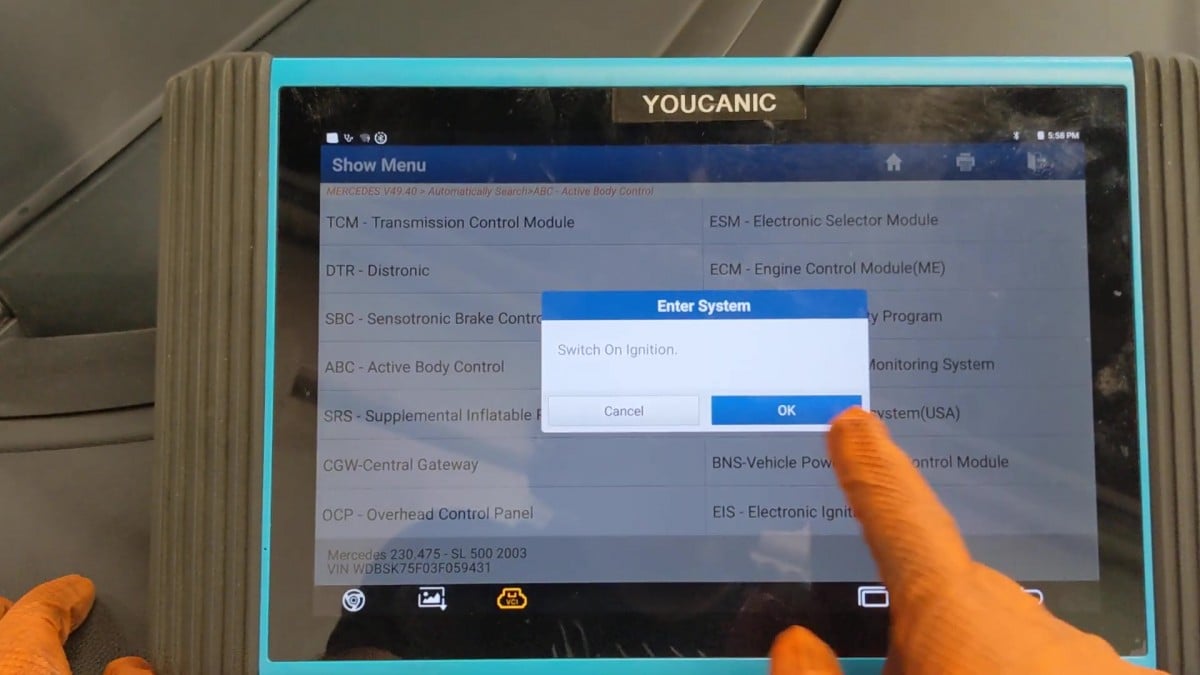
- Choose Active Body Control. Depending on the scanner, this may be under the Chassis category.
- A prompt will appear, asking you to verify if the ignition is on. If the ignition has been switched on, choose ‘OK’. If not, turn on the ignition first and choose ok at the prompt.
- Wait until the scanner can establish communication with the vehicle.
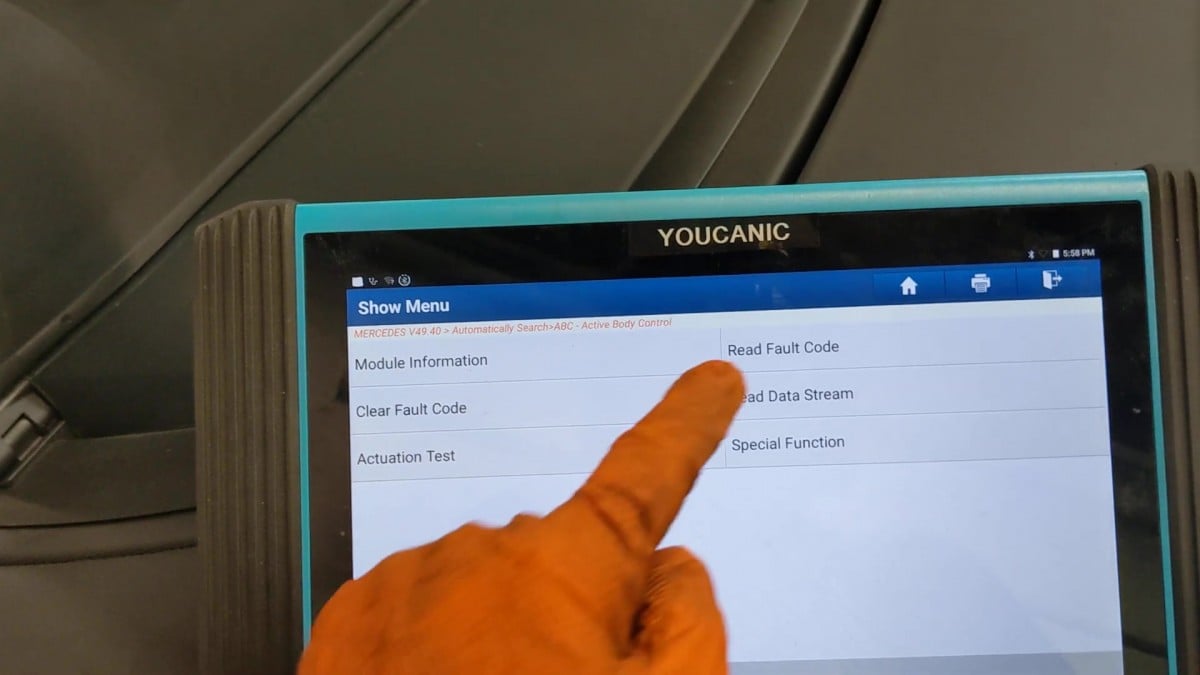
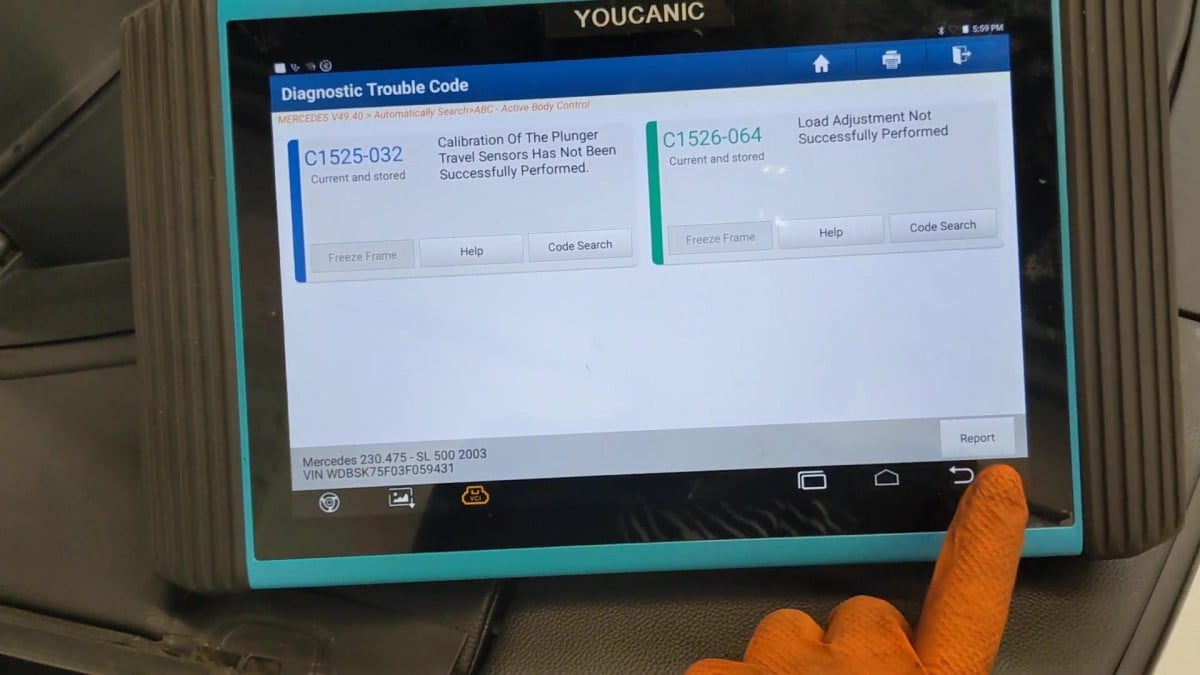
- Choose Read fault codes. This is a necessary step because some fault codes, such as those related to 0 working pressure, would prevent the system from executing ABC tests.
- If there are no pressure-related errors, press the return symbol to go back to the previous menu.
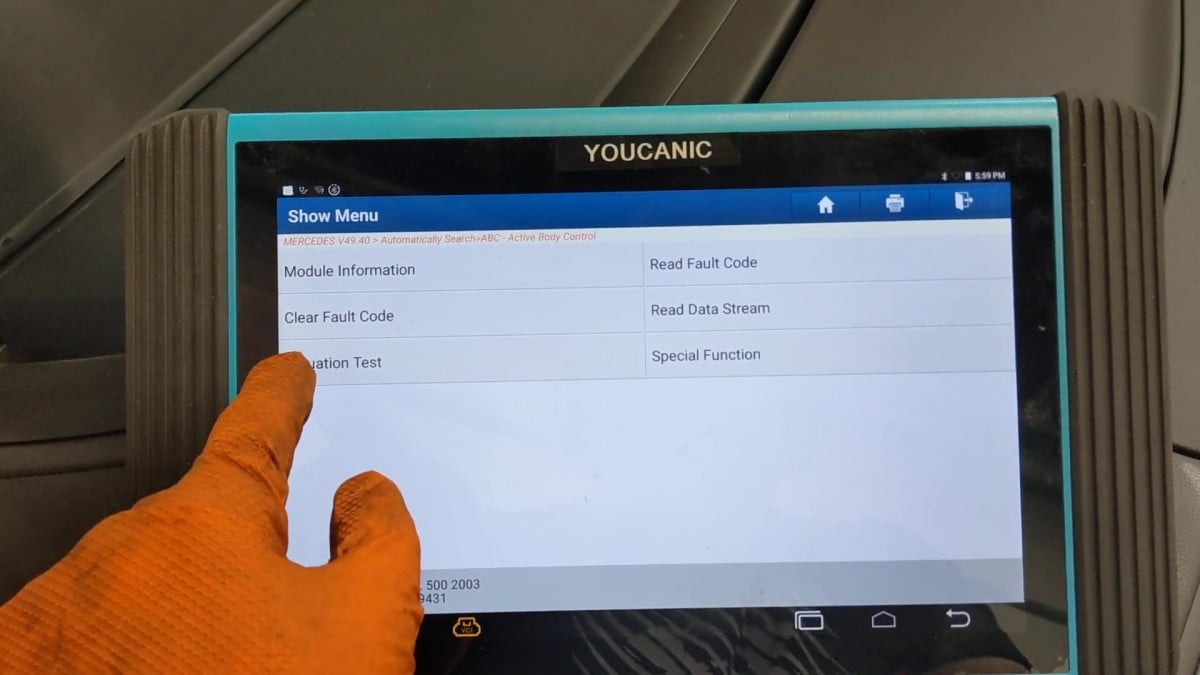
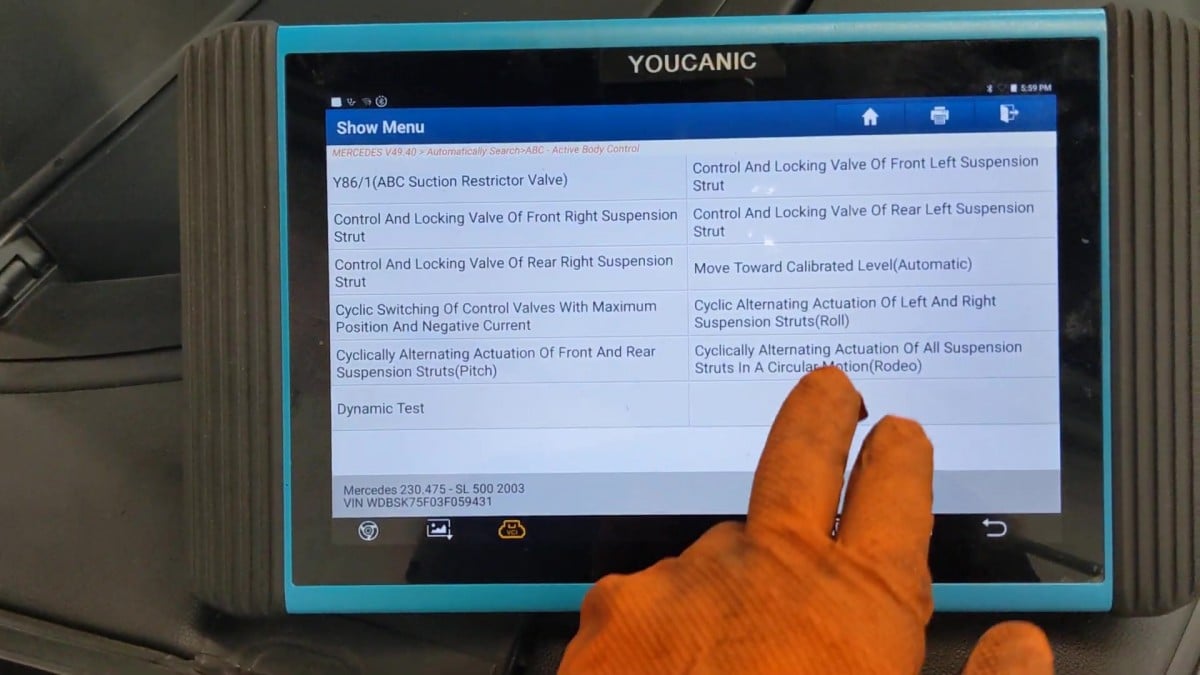
- Choose the actuation test.
- Choose a menu item with the word Rodeo; this will execute a Rodeo test.
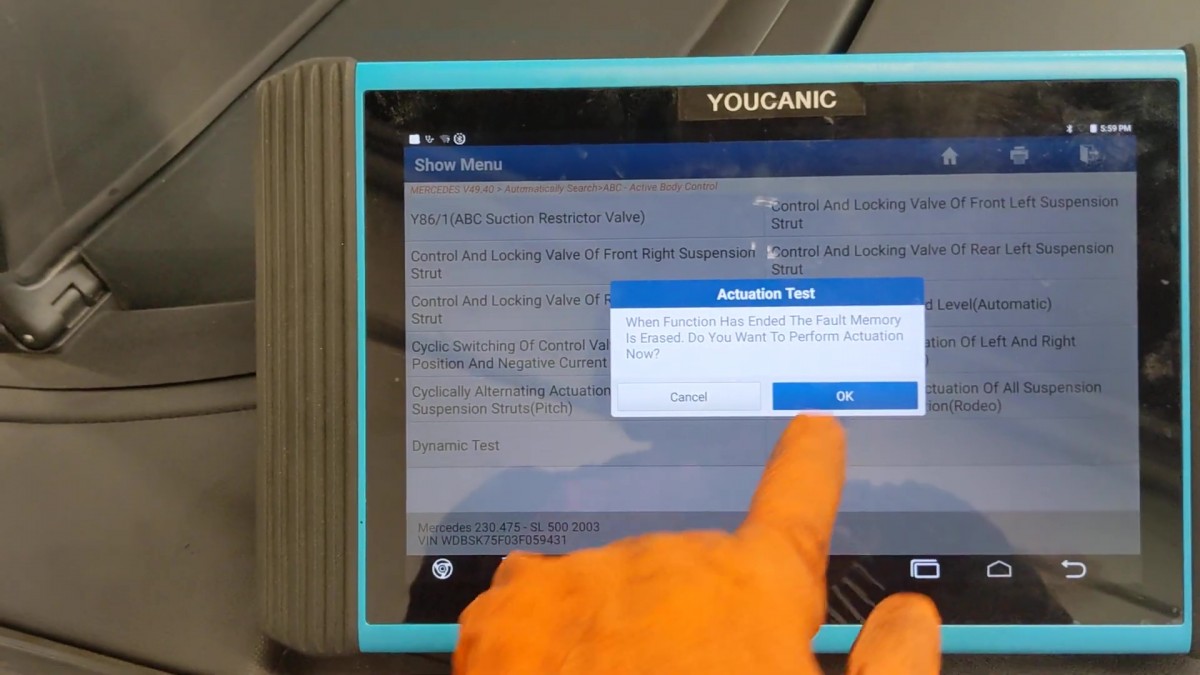
- Press ok on the Actuation prompt.
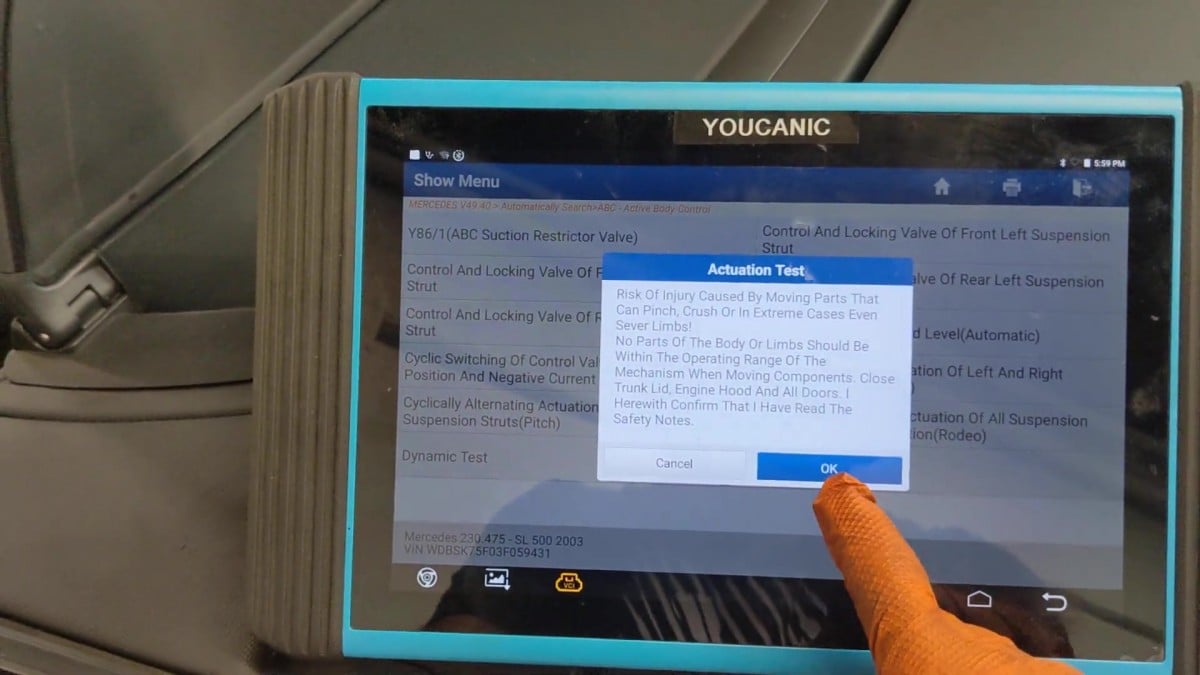
- Press ok on the following confirmation prompt.
- Turn the engine on to continue with the test.
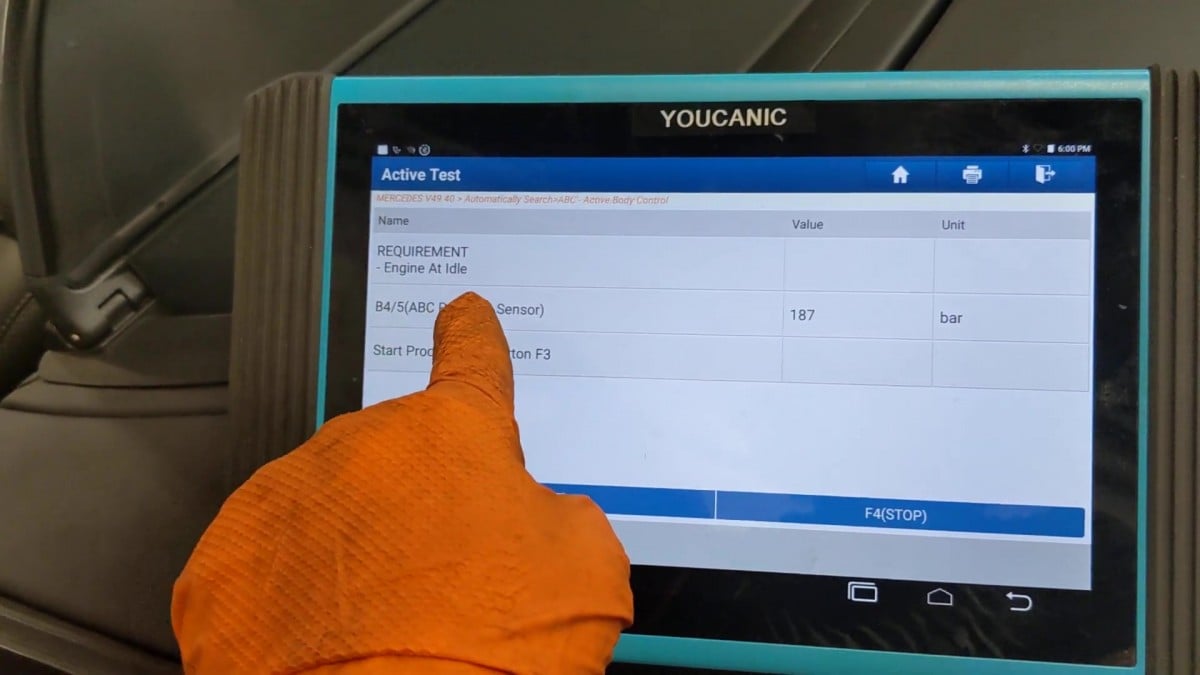
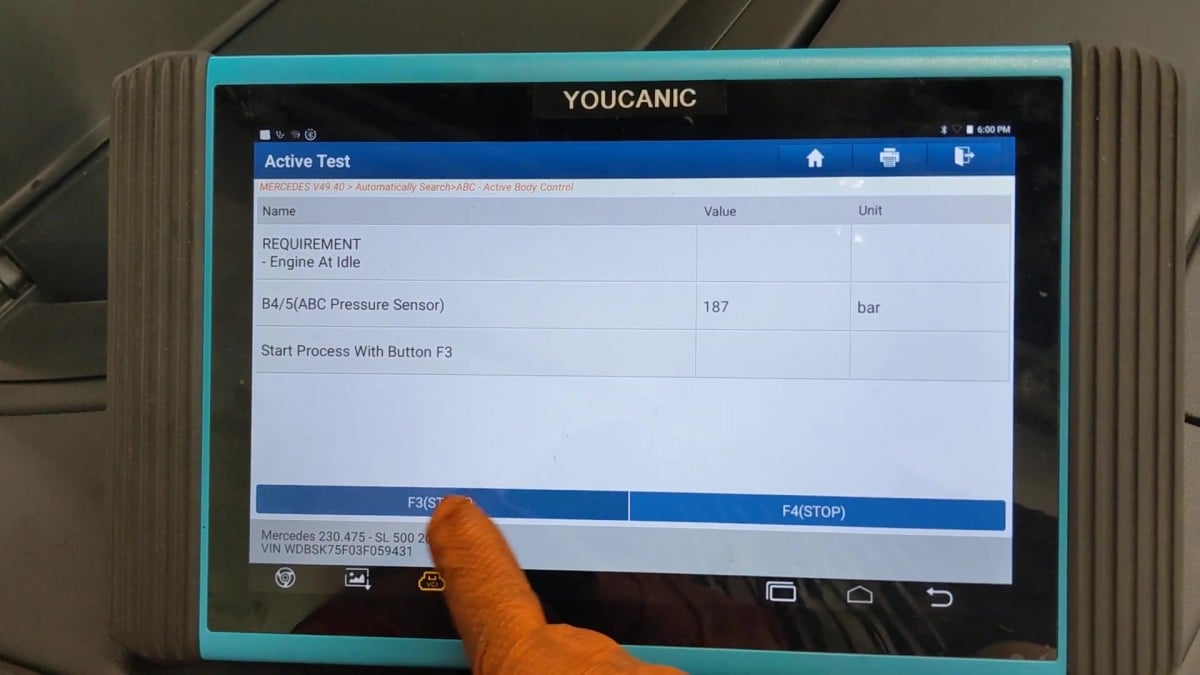
- Verify that the ABC pressure sensor is more than 180 bars and the engine is idle.
- Press F3 or Start.
- The vehicle’s suspension should start rising and falling.
- Monitor each suspension’s minimum and maximum height; it should be the same for all four sides. If one side did not move or the height was not the same as the others, there could be an issue with the struts for the affected side.
- Press-F4 stop to stop the Rodeo Test.
- Turn off the ignition.

Warning on performing a Rodeo Test
- Although a Rodeo test is beneficial, it should be executed cautiously since it will subject your suspension system to every possible scenario under load that it does not normally encounter in everyday driving. This might force weak components to break during the test; a shattered piece of a broken part might get lodged in a valve block, causing sagging issues.
How does the ABC System work?
The System is controlled by an ABC module that monitors inputs from sensors and sends commands to the valve blocks to control the inflow and outflow of hydraulic fluid from the struts, keeping the chassis level at all times.

🔧 Stop paying the dealer for every warning light
Get dealer level diagnostics at home with the YOUCANIC Full System Scanner.
- ✔ Works with all makes and models, including most luxury brands
- ✔ Topology map view shows all vehicle modules on one screen for faster diagnostics
- ✔ Bi directional controls to test fans, pumps, actuators and more so you do not have to guess
- ✔ Special resets and calibrations such as ABS bleed, EPB service, battery registration and more
- ✔ Free lifetime updates with no recurring fees
The System detects problems within its components and categorizes errors based on the severity of the issue, as determined by the color of the messages displayed on the dashboard.
- Blue or white warnings -The control module detected a problem, but the system is still operational.
- Red warning – The control module detected a severe problem. Red warnings that stay on the dash -mean the system is not operational.
Some warnings appear and then disappear; this indicates that the system has experienced glitches but has since returned to regular operation.
Mercedes-Benz model with ABC Suspension
Mercedes-Benz introduced the Active Body Control (ABC) suspension system in the late 1990s, and it has been used in several of its high-end models since then. Some of the Mercedes-Benz models that have been equipped with ABC suspension at various times include:
- S-Class (W220, W221, W222): ABC suspension was available as an option on the S-Class starting with the 2000 model year.
- CL-Class (C215, C216): ABC suspension was standard on the CL-Class coupes from 1999 to 2014.
- SL-Class (R230, R231): ABC suspension was an option on the SL-Class roadsters from 2003 to 2018.
- SLR McLaren: The limited-edition SLR supercar, produced from 2003 to 2010, featured ABC suspension as standard.
It’s worth noting that not all versions of these models were equipped with ABC suspension, and the availability of the system varied by model year and market. If you are considering purchasing a Mercedes-Benz with ABC suspension, it is recommended that you consult with a knowledgeable dealer or mechanic to determine whether the particular vehicle you are interested in has this feature.
What is a Mercedes ABC System?
The Mercedes ABC System, also known as the Active Body Control System, is a computer-controlled hydraulic suspension System that allows for smooth control of the vehicle’s body motions, thereby eliminating body roll in many driving situations. Cornering, accelerating, and braking.
What is the Rodeo Test Procedure?
It is a test that allows your Mercedes-Benz to mimic the movement of a bucking bronco, checking the performance of ABC components. A Mercedes-Benz diagnostic tool will activate the pump to send hydraulic fluid to every suspension strut, continuously adjusting each side of the suspension until each has reached its maximum adjustment.
The fluid movement will also control the ride height and the damping force. You can expect the air to be flushed out entirely after the test. This test will also recalibrate and leave Benz’s suspension working smoothly after refilling the fluids.
Although the system would get rid of air over time, you can carry this test or expedite the process using the ride height button to cycle through the levels about fifteen times.
Troubleshooting ABC Suspension

To effectively diagnose issues with a Mercedes-Benz vehicle equipped with the Active Body Control (ABC) suspension system, it is essential to use a professional-grade diagnostic scanner. This is because any fault codes that arise in the ABC control unit must be accessed and read to determine the specific nature of the problem. Therefore, utilizing the appropriate diagnostic equipment is crucial for accurately troubleshooting issues with the ABC suspension system in a Mercedes-Benz vehicle.
See this article for more help on troubleshooting Mercedes-Benz ABC suspension problems. We hope you find the Mercedes-Benz Rodeo Test Procedure guide helpful. Check these troubleshooting and repair guides for more help on your Mercedes-Benz.