
Fixing a 2014 Subaru Crosstrek | Continuously Variable Transmission Issues
Contributed by:

Reviewed/Verified by:

Today, we will be diving into the upside-down world of Subaru valve bodies. While Subaru’s continuously variable transmissions (CVT) have been quite reliable over the years, they are not without weaknesses.
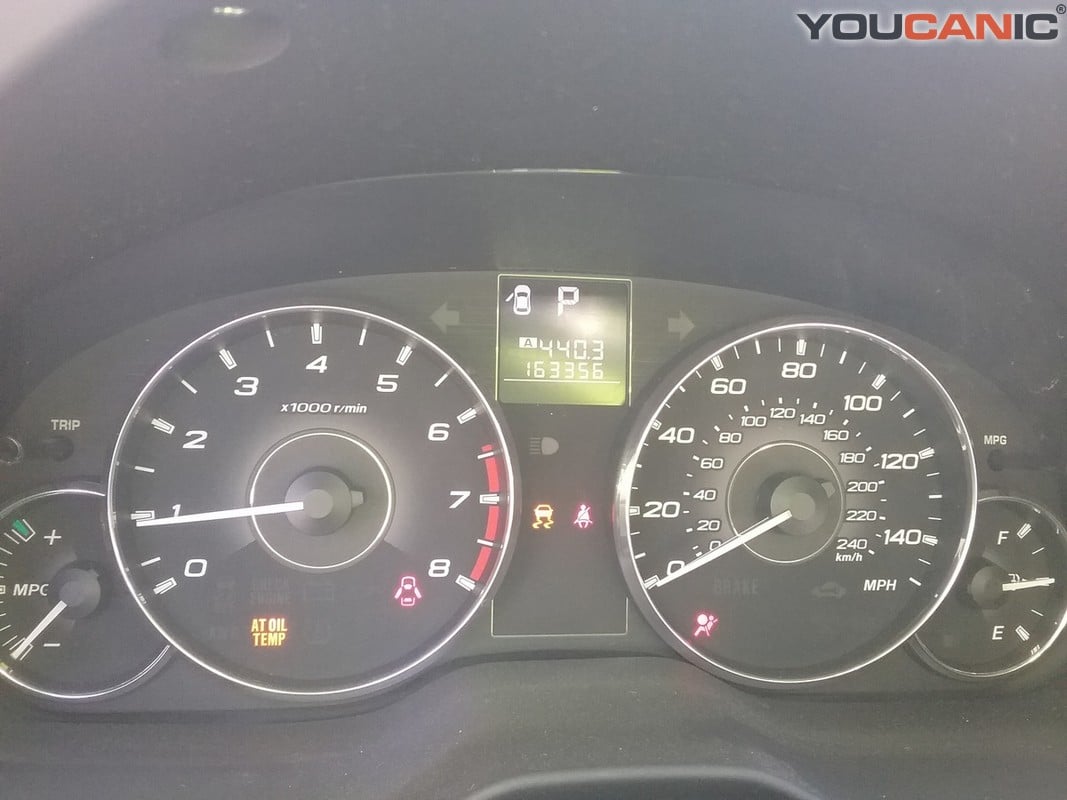
One of the failure points is the pressure control solenoids in the valve body. These solenoids can fail electrically, with high resistance or an open circuit. Typical symptoms include the AT OIL TEMP, Traction Control, and Brake warning lights. The Check Engine Light may also turn on, and in some cases, the cruise control can be disabled. Multiple fault codes can be stored, depending on which solenoid is having an issue and the nature of the failure. Unfortunately, the solenoids are non-serviceable, so the entire valve body will have to be replaced.

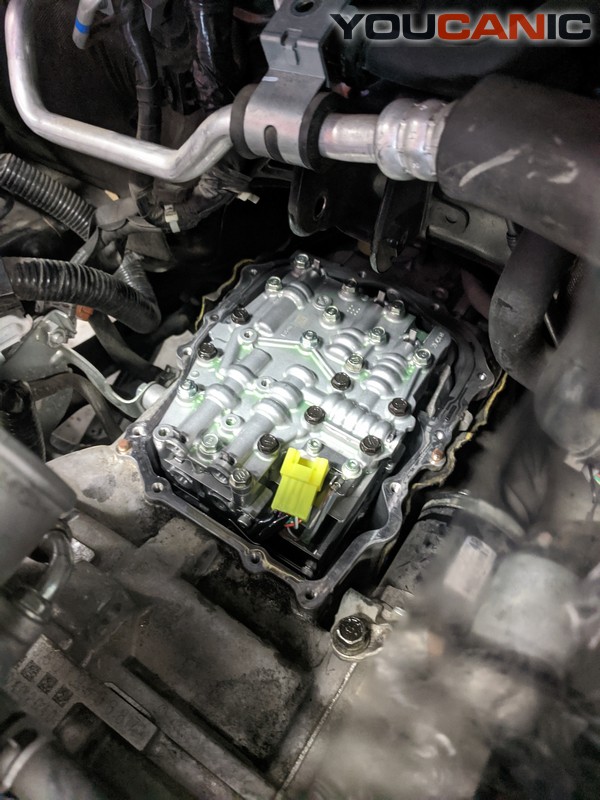
There are two main versions of the Subaru LineartronicTM CVT: the TR580 and the TR690. One key difference between them is the location of the valve body. The TR580’s valve body is accessed by removing a lid from the top of the transmission. In contrast, the TR690 features a more traditional valve body accessed from beneath the vehicle by removing the transmission oil pan.

🔧 Stop paying the dealer for every warning light
Get dealer level diagnostics at home with the YOUCANIC Full System Scanner.
- ✔ Works with all makes and models, including most luxury brands
- ✔ Topology map view shows all vehicle modules on one screen for faster diagnostics
- ✔ Bi directional controls to test fans, pumps, actuators and more so you do not have to guess
- ✔ Special resets and calibrations such as ABS bleed, EPB service, battery registration and more
- ✔ Free lifetime updates with no recurring fees

This 2014 Subaru Crosstrek had a 2.0-liter engine and the TR850 CVT. The AT OIL TEMP message was flashing on the dashboard, and the code P0971 “Pressure Control Solenoid ‘C’ (Transfer Solenoid) Circuit High” was logged in the Transmission Control Module (TCM). Before diving into diagnostics and replacement, it is always a good idea to review the code-set criteria and wiring diagrams for the transmission circuit.
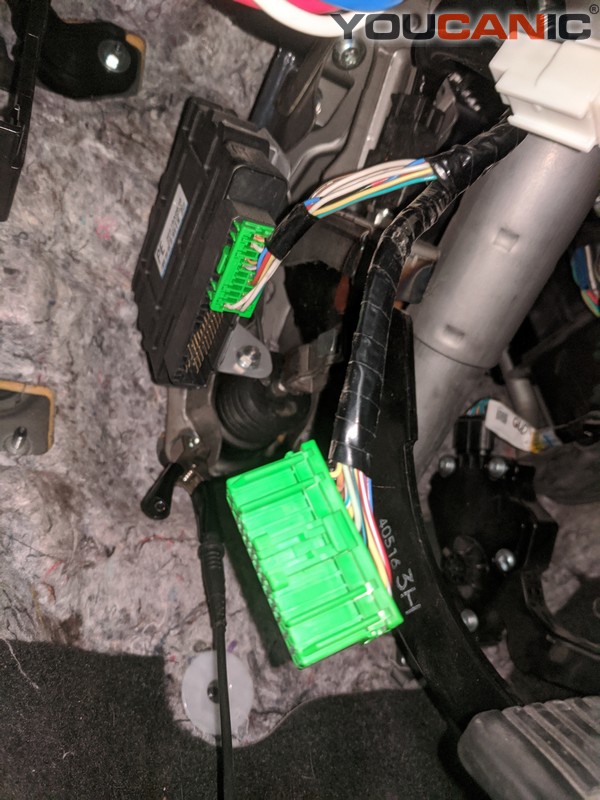
You can easily access the TCM on the left side, under the dashboard. This is an ideal test point for the solenoid circuits. With the TCM connectors unplugged, I used a multimeter tool to test the Transfer Control solenoid circuit.

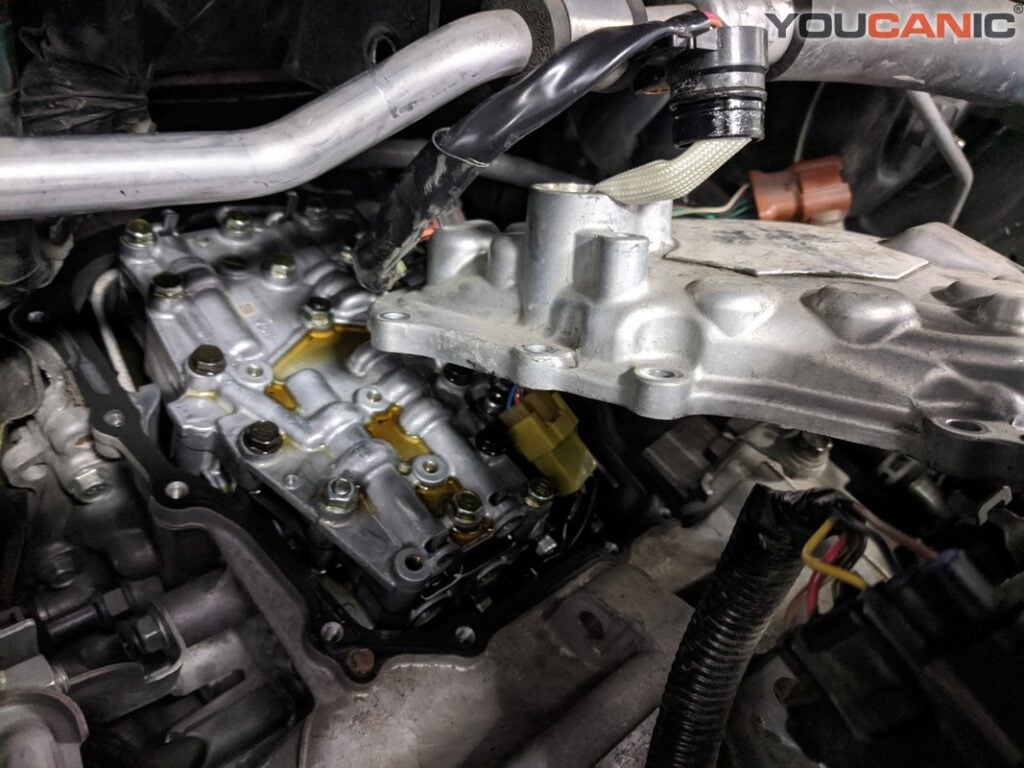
The resistance reading of 11.35 kΩ was well outside of normal readings, which should be around 4 Ω. The next step was to disconnect the electrical connector at the valve body cover and recheck the Transfer Control Solenoid resistance. The measurement was the same, proving that the excessive circuit resistance was from the solenoid and not the wiring harness. A new valve body was sourced from the local Subaru dealership, and I started the replacement process.

The new valve body came with a protective plastic shield for the hood and engine bay, intended to keep transmission fluid from dripping into the engine bay and contaminants from entering the open transmission case. It leaves a technician wondering whether they are really replacing a valve body or performing open-heart surgery!
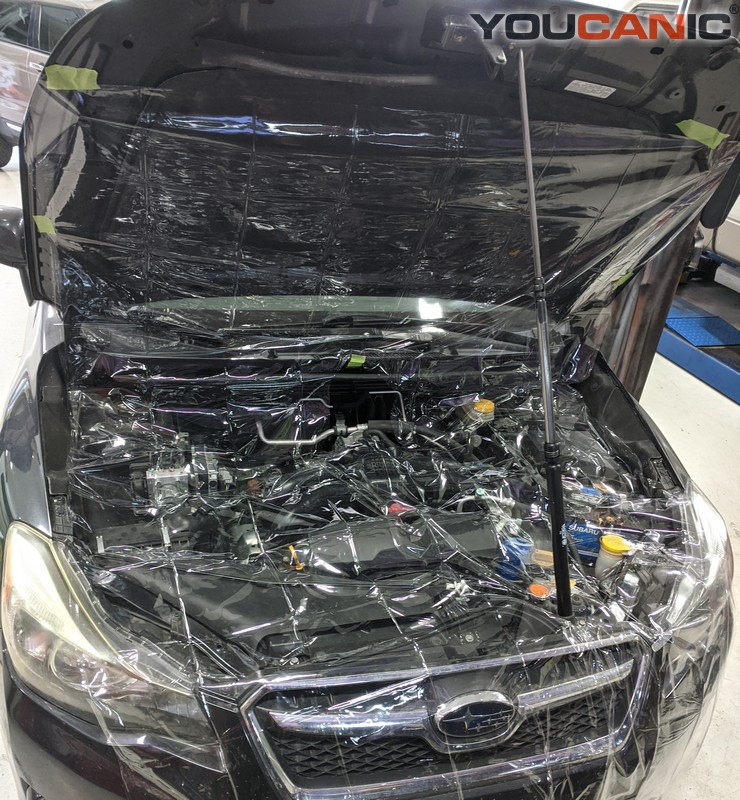
Due to the valve body’s location in this Subaru, the transmission fluid does not need to be drained, but it might be a good idea to replace it based on mileage, age, and condition. Subaru has a long list of different CVT fluids, but they should never be mixed. Be sure to consult your factory service information for the correct fluid type.
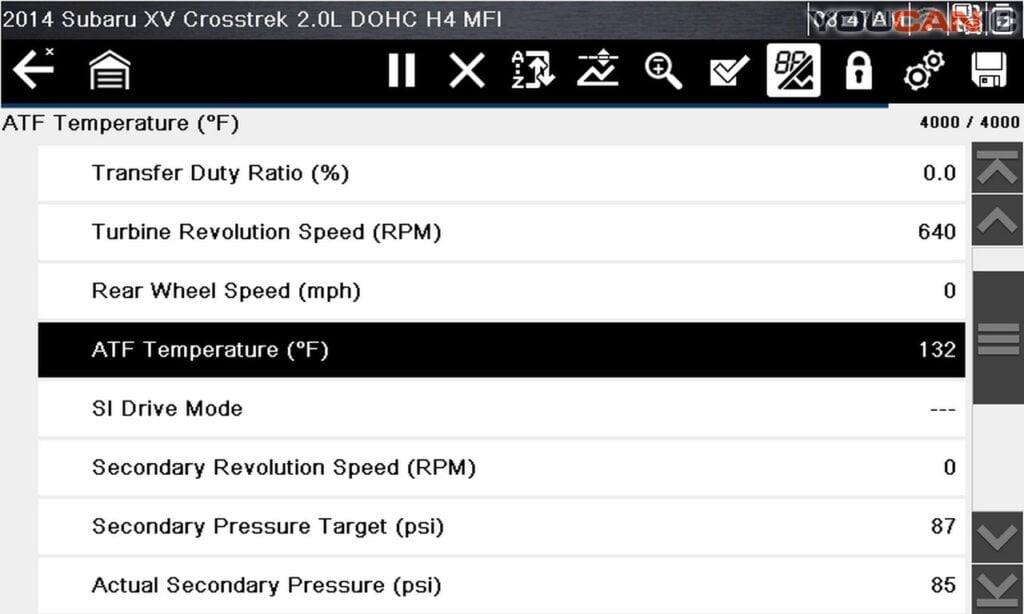
The TR580 has a drain plug in the oil pan and a fill plug on the left side of the transmission housing. The fluid temperature needs to be monitored with a scan tool when level checking or refilling.
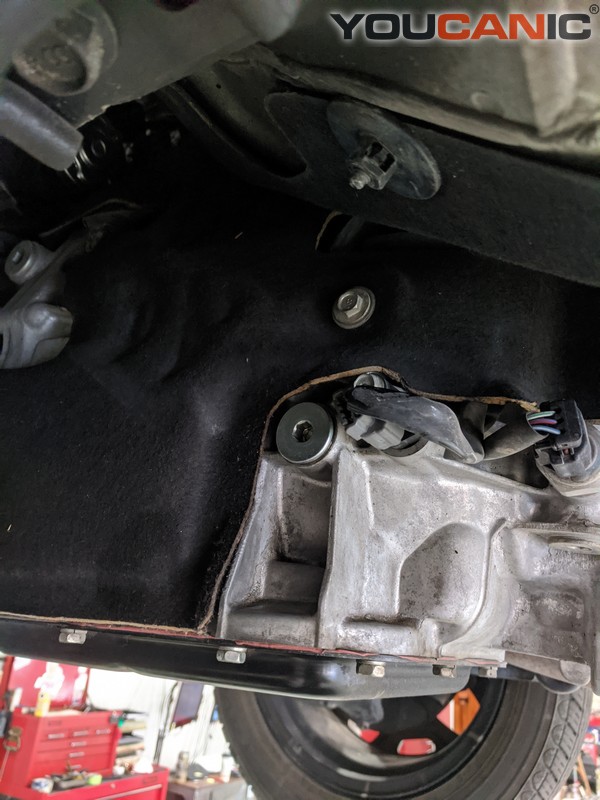
After the valve body replacement, the fluid level needed to be checked, and the Simple Learning procedure had to be completed. Simple Learning is a scan tool function that is performed with the vehicle on a lift with the wheels off the ground. All accessories must be off, and the parking brake must be engaged.
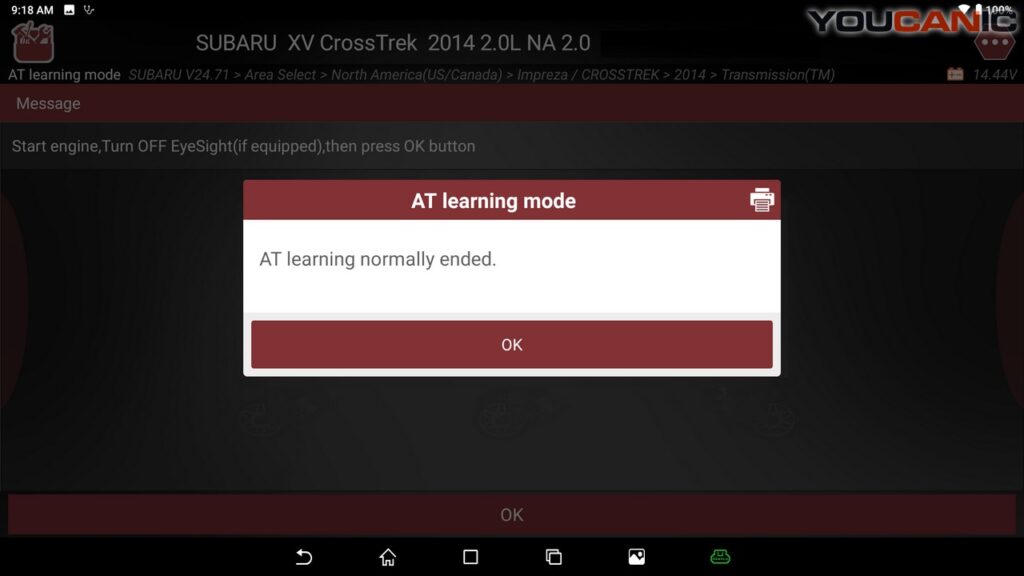
After the Learning mode is completed, the AT OIL TEMP light will go out, and the fault code(s) can be cleared. All that was left was a test drive, and this upside-down Subaru was back on the road.
Bonus Images




A simple explanation on how to diagnose a common issue within what can be a confusing diagnostic situation. I liked how the technician provided a straightforward method to diagnose the trouble code and clearly explained the steps taken to reach the conclusion.
My only recommendation would be to include a step-by-step walkthrough of Subaru’s diagnostic trouble tree and/or a wiring diagram to better illustrate the complexity of the system.
I enjoyed the article’s simplicity and the real-world value it provides for both professional technicians and DIYers.