
Ford 5.0 V8 Engine Problems | F150, Mustang
Have problems with your Ford 5.0 V8 Engine? Read the guide below to learn the common problems on your Ford.
This article covers common problems affecting the Ford 5.0 L V8 engine, also known as the Coyote engine, found on models such as the Ford Mustang and F150. Ford 5.0 L Coyote V8 engine replaced the 5.4 Triton and 4.6 Triton Ford engines.
Common Problems
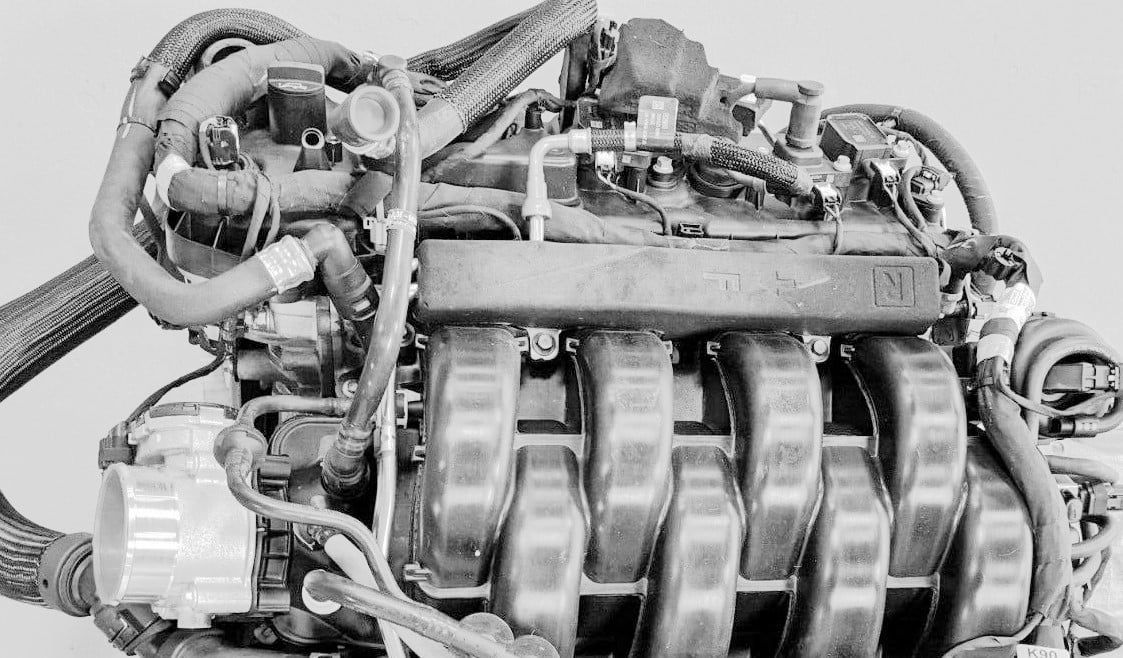
Common problems that affected the Ford 5.0L Coyote engine are:

🔧 Stop paying the dealer for every warning light
Get dealer level diagnostics at home with the YOUCANIC Full System Scanner.
- ✔ Works with all makes and models, including most luxury brands
- ✔ Topology map view shows all vehicle modules on one screen for faster diagnostics
- ✔ Bi directional controls to test fans, pumps, actuators and more so you do not have to guess
- ✔ Special resets and calibrations such as ABS bleed, EPB service, battery registration and more
- ✔ Free lifetime updates with no recurring fees
Spark Plug Failures
One of the most common problems is the Check Engine Light (CEL) flashing. When the codes are read, you will get misfire codes P0301-P0308 or no stored Diagnostic Trouble Codes (DTCs).
The most common cause is due to spark plug failures because of the following:
- Blistering on the porcelain,
- Cracked porcelain,
Sometimes, there is no evidence at all visually.
Ignition Coil Problems
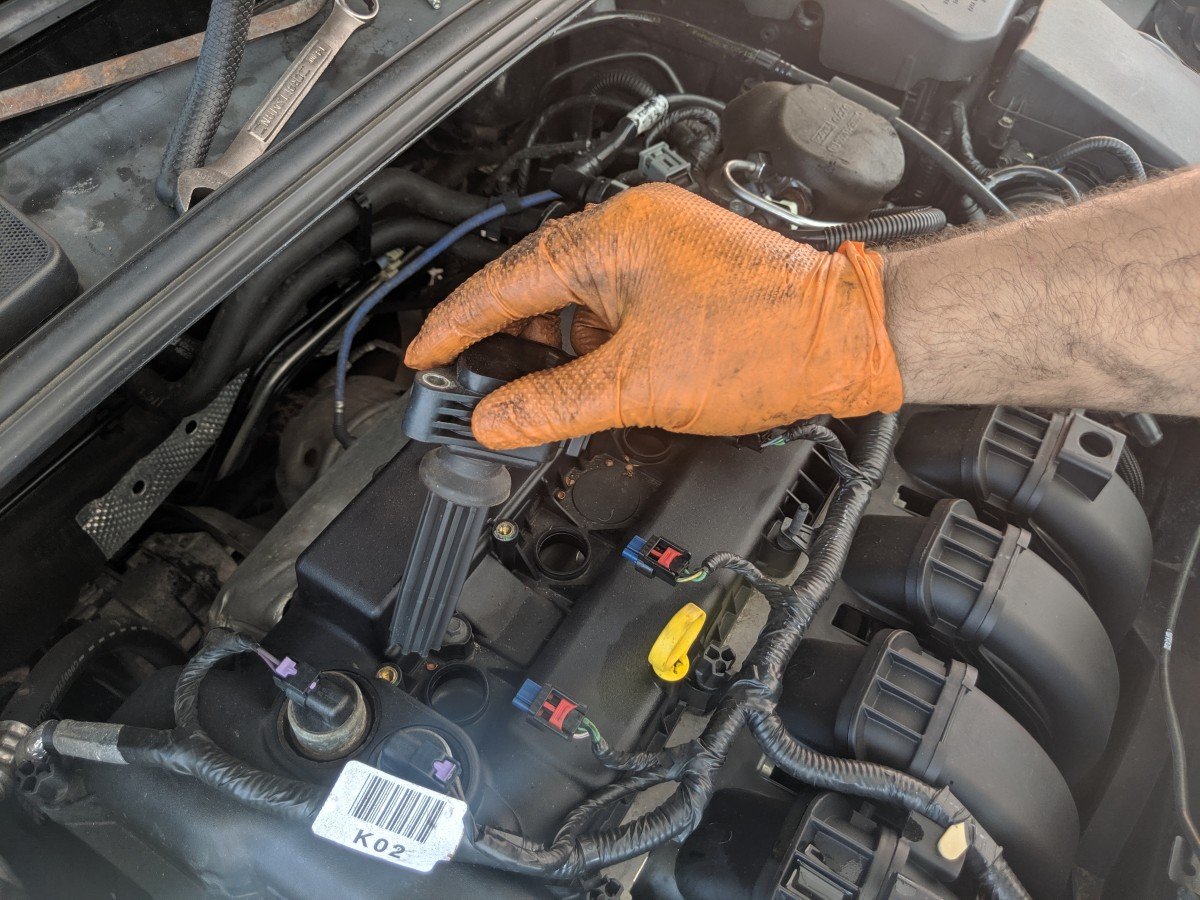
Coil-on plug failures are another common problem with the Ford 5.0L engine. Coils fail due to ignored spark plug failures, internal shorting, or open circuits. There may be connector issues from heat as well. The high heat can also affect the fuel injector connectors.
Timing Chain Issues
Timing chain and guide noise caused by out-sync timing are issues with the Ford 5.0. This is a common symptom of neglected Ford 5.0L engines with high mileage.
Timing chain issues are common on high mileage Ford Mustangs and F150s with the 5.0 when the owner waits too long between oil changes.
Going over 10,000 miles between oil changes is not recommended, as it can lead to timing chain issues. Using fully synthetic engine oil and a quality oil filter is recommended.
Carbon Deposits
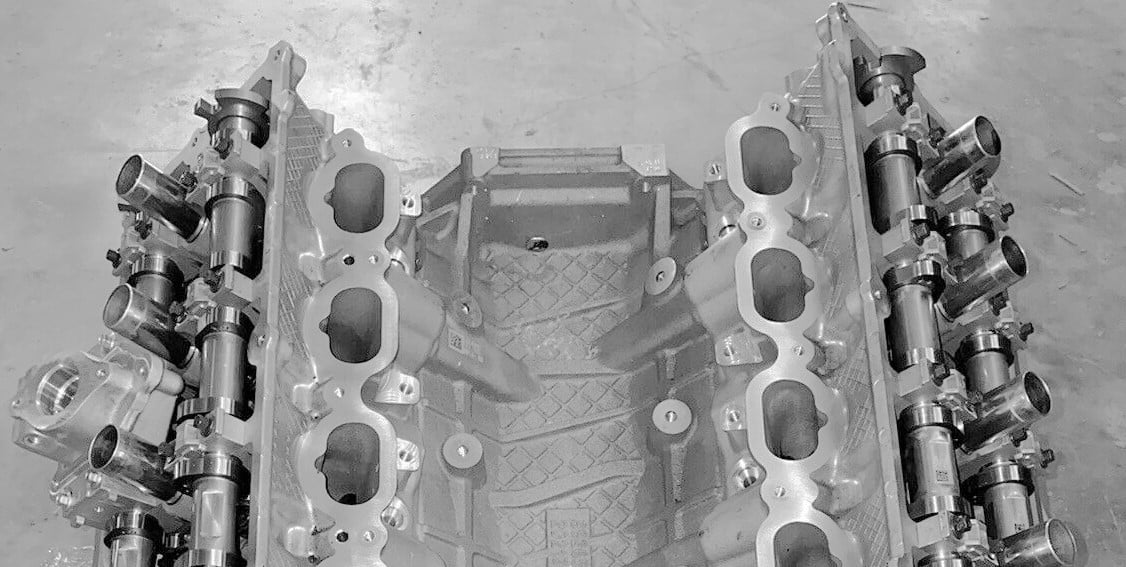
Ford’s 5.0L engine uses direct fuel injection and sprays fuel into the head. This leads to carbon deposits.
If a top-tier fuel was used, the engine had less carbon build-up. However, on a high-mileage Ford F150 or Mustang, you may notice hesitations and stumble on a cold engine due to carbon build-up. To avoid carbon build-up, use a fuel treatment additive occasionally.
Valve Springs
Valve springs broke like the 5.4L and 4.6L, and occasional valve dropping ruined a few Friday afternoons! Catastrophic engine destruction due to a broken valve spring that let go and the valve dropped into the cylinder is possible but not very common.
Throttle Body Failure
Throttle bodies had some early issues due to contamination; they would stick or cause the engine to shut down or limit the throttle when the wrench light came on. There is a Technical Service Bulletin (TSB), and I would suggest checking to see if it has any open TSBs, calibration, or updates that could be performed. Erratic transmission shifting issues can be related to throttle body failure.
Oil Leaks
The head gasket leaks oil out the rear of the head. This was a design issue they have corrected with updated gasket sets, including valve covers and front timing O-rings and gaskets. It is recommended a professional do this repair because of the complicated timing procedure. You might consider replacing the entire timing set that includes the chains guides and hydraulic tensioners simultaneously.
Maintenance Tips
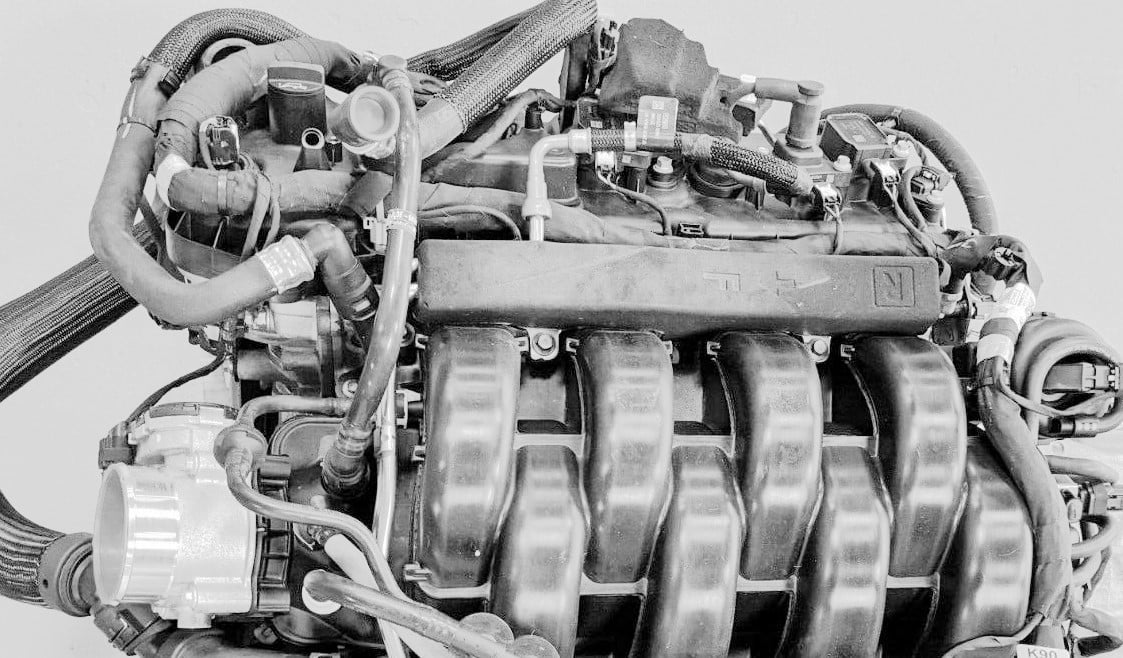
Ford 5.0 V8 Coyote can be a reliable engine when maintained as per the recommended maintenance intervals.
- Always change the engine oil and filter at 3000 when conventional oil and 5000 when fully synthetic.
- Air filters need to be checked often. Replacing engine air filters before they are contaminated will help prevent Mass Air Flow sensors from failing and improve fuel economy.
- Run a Fuel Treatment Additive through your fuel tank every 15,000 miles. To avoid valve issues and hesitations. Decarbonizing with a quality Decarb treatment via a fuel tank every 15000 miles can keep those deposits from building up.
- Replace spark plugs with the coil boots and make sure that the Dielectric Connector Grease is applied on the boot when installed to prevent moisture from contaminating the plug end. Also, place a light film of that same grease around the sealing edge of the plughole top and the boot top edge to prevent moisture from entering. This will still allow the boot to (breathe) and let any condensation out if it happens to get in.
- Finally, flush the cooling system if it is discolored and test for acid content and condition. Removing radiators from scale and restriction will prevent the heat issues from damaging the water pump and heater core. A good power flush done by a professional who you trust is recommended.
Maintenance is always cheaper than costly repairs; think of it as an investment in confidence. When you take off on a trip, your vehicle needs to be in the best possible condition, regardless of make or model.
Sometimes, things happen out of even the best-maintained vehicles, but why wait for something that could leave you or a loved one stranded?
Applications
- Ford F-150 (2011 to 2014)
- Six-speed automatic
- Rear / four-wheel-drive
- 360 @ 5,500 380 @ 4,250
- Ford F-150 (2015 to 2017
- Six-speed automatic
- Rear / four-wheel-drive
- 385 @ 5,752 487 @ 3,850
- Ford F-150 (2018 +)
- Ten-speed automatic
- Rear / four-wheel-drive
- 395 @ 5,750 400 @ 4,500
- Ford Mustang GT (2011 to 2012)
- Six-speed automatic / Six-speed manual
- Rear-wheel-drive
- 412 @ 6,500 390 @ 4,250
- Ford Mustang Boss 302 (2012 to 2013)
- Six-speed manual
- Rear-wheel-drive
- 444 @ 7,500 390 @ 4,500
- Ford Mustang GT (2013 to 2014)
- Six-speed automatic / Six-speed manual
- Rear-wheel-drive
- 420 @ 6,500 390 @ 4,250
- Ford Mustang GT (2015 to 2017)
- Six-speed automatic / Six-speed manual
- Rear-wheel-drive
- 435 @ 6,500 400 @ 4,250
- Ford Mustang GT (2018 +)
- Ten-speed automatic / Six-speed manual
- Rear-wheel-drive
- 460 @ 7,000 420 @ 4,600
Jeff Litwiller, a Former Ford Engine Master Certified Technician, contributed to this article.
We hope you find the Ford 5.0 V8 Engine Problems | F150 Mustang guide helpful. Check these troubleshooting and repair guides for more help on your Ford.