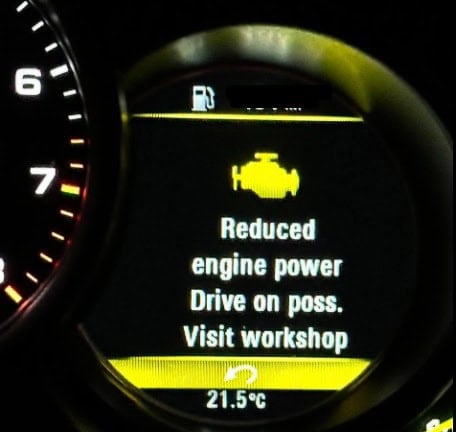
When the “Reduced Engine Power Drive on Possible Visit Workshop” warning message appears on the dashboard of your Porsche, there is an issue with the engine, its components, or its engine management system. Ignoring this warning can lead to major internal engine problems, in some cases requiring a complete overhaul. In order to avoid costly repairs, it is important to diagnose and fix the issue as soon as possible.
What Does the Engine Power Drive on Possible Visit Workshop Mean?
The engine is part of your vehicle’s Powertrain System, which is responsible for producing mechanical energy to keep your car moving. When this light turns on, the system enters limp mode due to an engine-related issue that has been detected, protecting the engine and its critical components from further damage.
⚠️ Why You Should Fix It As Soon As Possible:
Safety Risk – There are safety risks that accompany a vehicle being in limp mode, like a loss of acceleration and delayed throttle response, which increases the risk of accidents in high-speed traffic, overtaking situations, and driving on steep inclines.
Performance Issues – There might be a poor throttle response, excessive fuel consumption, prolonged cranking time, rough idle, and noticeable exhaust emissions.
Costly Repairs if Ignored – While you can drive the car in limp mode, prolonged driving can lead to expensive damages like a faulty fuel pump and a defective turbocharger. In a worst-case scenario, continuous driving will lead you to a complete engine overhaul, which is a very expensive repair for a Porsche.
Common Causes of Engine Power Drive on Possible Visit Workshop
Here are the most common reasons this light appears:
⚠️ Weak Battery: Low voltage from a dead or dying battery or faulty alternator can cause various system errors and unexpected warning lights.
⚠️Malfunctioning Intake or Exhaust Valve Control Solenoid: Many modern engines use Intake and Exhaust Valve Control Solenoids to regulate the air-fuel mixture by either restraining or advancing the opening and closing of the valves, optimizing engine performance.When this malfunctions, it can lead to reduced engine performance, decreased fuel efficiency, misfires, and increased emissions, a clear culprit for the warning message.
⚠️ Low or high engine oil: Since engine oil pressure is important for the timing of the intake and exhaust valves of the engine through the operation of the intake and exhaust valve control solenoids, engine oil that is too low or too high can cause combustion errors brought on by the irregularities of the position or the angle of the camshafts with the intake and exhaust valve solenoids because of low or high engine oil levels. The warning message occurs when the ECU detects that the actual camshaft position does not match the desired one.
⚠️ Software glitch: Modern engine management systems rely on software to regulate fuel delivery, ignition timing, valve timings, turbo boost, oil and coolant pumping, and other related functions. Outdated or glitchy software can disrupt the engine’s operation, leading the vehicle to go into limp mode as a precaution.
⚠️ Loose Oil Cap: The oil cap protects your internal engine components from dirt and debris and helps maintain proper crankcase pressure for proper PCV valve function. The MAP sensor may detect incorrect air pressure readings if the oil cap is loose or damaged, causing the warning message to appear on the dashboard.
⚠️ Stuck-open Thermostat: Thermostats control the flow of coolant to maintain the optimal engine operating temperature. When stuck open, it continuously allows coolant flow, preventing the engine from reaching its ideal temperature, especially in cold climates.
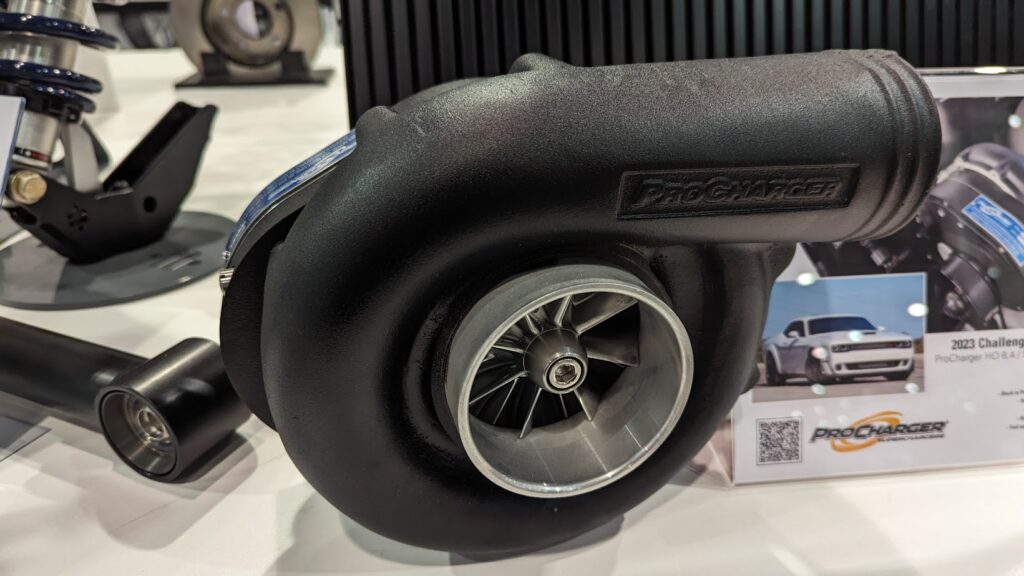
⚠️ Defective Turbo Charger: Porsche activates limp mode when its turbocharger fails. A defective turbocharger affects the engine’s air intake and boost pressure, lowering overall engine performance. Turbochargers can fail due to low oil pressure and leaks, wastegate malfunctions, or impeller and bearing wear.
⚠️Malfunctioning Main Fuel Pump: The main fuel pump ensures a steady fuel supply to the engine. If this fails, the engine will receive insufficient fuel or no fuel for combustion, causing limp mode and engine stalling, which will often lead to hard starting. This can cause the warning light to appear on your Porsche dashboard.
⚠️Malfunctioning High-Pressure Fuel Pump: The high-pressure fuel pump delivers high-pressure fuel to the fuel injectors. If this fails, your injectors can’t supply enough fuel to the combustion chamber, leading to misfiring, rough idling, and power loss. If the system detects low fuel pressure on the injectors, the vehicle will enter limp mode.
⚠️Malfunctioning Fuel Injectors: Faulty fuel injectors can disrupt the engine’s fuel-air mixture, leading to combustion inefficiencies. Clogs or leaks in these injectors can result in excessive engine vibrations, rough idling, misfires, and a noticeable loss of power.
⚠️Clogged Fuel Filter: A clogged fuel filter restricts the proper fuel flow to the engine, causing the system to enter limp mode.
⚠️Clogged Air Filter: Air is needed for engine combustion. A clogged air filter restricts the airflow to the engine, causing the system to enter limp mode.
⚠️ Fuel tank low-level warning sensor: Some Porsche users reported the warning message appeared with a very low fuel level in their tanks. Interestingly, users also find that the culprit of the warning message is a loose fuel cap.
🛠️ Pro Tip: Use an OBD-II scannerto check for error codes related to the issue.
Troubleshooting & Fixes
Before taking your car to a mechanic, try these DIY fixes:
Check Battery Health – Use a battery tester, multimeter, or scanner to check for low voltage. If readings are below 12.4 volts, the battery must be replaced or recharged. If, after changing the battery, you are still noticing voltage issues, the problem might be your alternator, which is responsible for keeping your battery charged when the engine is running.
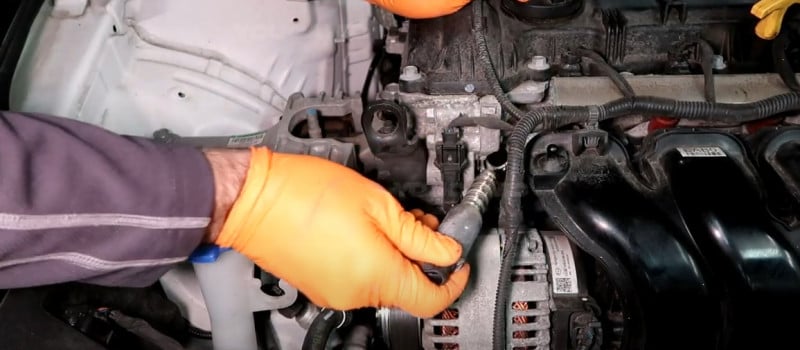
Inspect Wiring & Connections – Look for loose or frayed wires around your engine bay and sensors.
Inspect Fusesand Relays – Look for damaged or melted fuses in your vehicle’s fusebox. This could be an indicator of an electrical issue in your car. ONLY REPLACE OLD FUSES WITH NEW ONES OF THE SAME AMPERAGE.
Inspect sensors for dirt and damage – Sensors can become damaged or dirty over time. Inspect the engine sensors, especially the MAP and MAF sensors, for dirt, water damage, or loose wiring, as these could be causing the issue.
Top-Off Fluids – Ensure that the engine oil is at the proper level, and top-off if necessary, using the recommended oil type in your Porsche’s owner’s manual. DO NOT OVERFILL.
Check for excessive engine vibration – If the warning message comes with excessive engine vibrations, this indicates the potential reason for this issue could be a faulty MAP or MAF sensor, high fuel pressure pump, injectors, intake and exhaust valve control solenoids, or a software glitch.
Check oil and fuel caps – Check your oil and fuel caps for looseness or cracks. Tighten if necessary. These caps will need to be replaced if they are cracked or if the rubber gaskets are damaged.
Clean your air filter – Inspect your air filter for dirt and damage. Use compressed air to blow dust and debris out of the filter.
Check intake hoses – Check your intake hoses for cracks and brittleness, as these are signs that the hose needs to be replaced. Look for loose connections on the intake hoses and tighten them if needed.
Inspect the turbocharger – Inspect the turbocharger for signs of oil leaks around it. This is one sign of a defective turbocharger.
Check the thermostat operation – Run the engine for at least 30 minutes. If the temperature gauge fails to reach its ideal temperature, this may be a sign that the thermostat is stuck open.
Reset the System – If the warning light/error message was caused by a glitch in the system, it can be cleared by disconnecting the battery for 30 minutes or using a scan tool.
Use an OBD-II Scanner – Read and clear error codes to see if the issue is temporary.
Common OBD-II Fault Codes for Engine Power Drive on Possible Visit Workshop
If you scan your vehicle with an OBD-II scan tool, you may see one of these codes:
P0076 – Intake Valve Control Solenoid Circuit Low (Bank 1)
P0125 – Insufficient Coolant Temperature for Closed Loop Fuel Control
P0126 – Insufficient Coolant Temperature for Stable Operation
P1020 – Fuel Pressure Regulation: Control Range Exceeded.
Can I still drive with this warning message on my dashboard?
➡️ Driving with the warning message is not recommended, as it signals an engine issue that could lead to further damage over time. While the car may still operate in limp mode, this allows you to reach a safe location for troubleshooting or to your nearest dealership.
How do I reset the Reduced Engine Power Drive on Possible Visit Workshop?
➡️ Perform a complete system reset by disconnecting the negative terminal of your battery for at least 30 minutes. This method is more effective when paired with an OBD-II scanner, allowing you to identify and delete any fault codes present in your vehicle. Consider utilizing a high-quality scanner such as the YOUCANNIC Scanner for your Porsche. You might also want to try driving your car for 15 to 20 minutes, then turn the engine off and restart.
What happens if I ignore this warning?
➡️ You may never know what is triggering the warning message in your Porsche until the vehicle is inspected. The only reliable way to find the problem is by scanning your Porsche with a high-quality OBD-II scanner. The car will continue to operate in limp mode. You get lucky if the cause of the warning message is just a simple loosened oil cap, but neglecting more serious causes like low engine oil, for example, will damage your engine’s internal components, like pistons, cylinders, and bearings, leading to misfires and engine knocking. You do not want to overhaul a Porsche engine.
Do I need a mechanic, or can I fix this myself?
➡️ This article has basic and straightforward troubleshooting guides that you can easily follow at home. If the warning message persists, let your trusted mechanic or dealership do the job.
Final Thoughts
The Reduced Engine Power warning message should not be ignored, as it could lead to very expensive repairs, like an engine overhaul. Following these troubleshooting steps and scanning for fault codes can save time and money while ensuring your car remains safe and reliable.
Experts Who Contributed to This Article
Antonie Labasan
Diagnostic Specialist
Antonie Labasan is a Registered Mechanical Engineer and Lean Six Sigma Blackbelt who brings practical automotive expertise to our diagnostic guides. With specialized training at VOLVO and years of experience managing diverse vehicle fleets including Toyota, Hyundai, and Kia models, Antonie understands common failure points across different manufacturers. His systematic approach to diagnostics helps readers identify and fix the true source of automotive problems, making his YOUCANIC scanner guides exceptionally effective for DIY mechanics.
rhila, ASE Certified
Diagnostic Specialist15+ years of experience
Rushit Hila is a dedicated automotive engineer with ASE G1 certification and specialized training from an esteemed Automotive Specialty School. His hands-on experience and technical expertise in advanced diagnostics, system integration, and performance optimization make him a trusted voice in the industry.