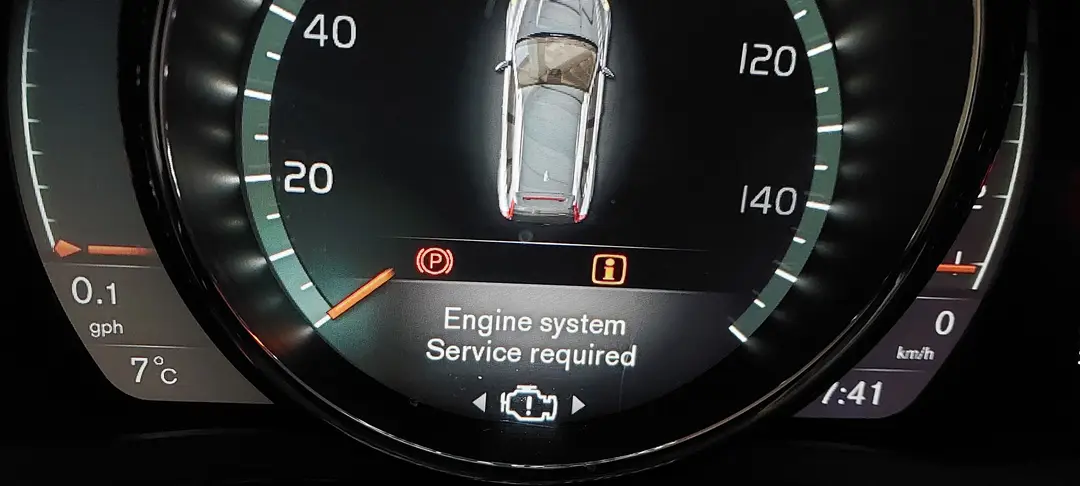
Volvo Engine System Service Required: Causes, Solutions & DIY Fixes for Check Engine Light

Medium
1-4 hr
$248
When your Volvo displays the “Engine System Service Required” message, it signals more than routine maintenance; it is an alert from your vehicle’s onboard diagnostic system that a potentially critical fault has been detected. This could stem from failures in emission control systems, abnormal combustion patterns, or sensor discrepancies that compromise performance and emissions compliance. Whether it’s a faulty oxygen sensor skewing air-fuel ratios, a degraded catalytic converter no longer filtering exhaust gases effectively, or a fault in the variable valve timing system impacting engine efficiency, this warning should not be ignored. Even a brief delay in diagnosis can lead to increased emissions, reduced fuel economy, and potentially irreversible engine damage.
What Does the Service Engine Warning Message Mean on a Volvo?
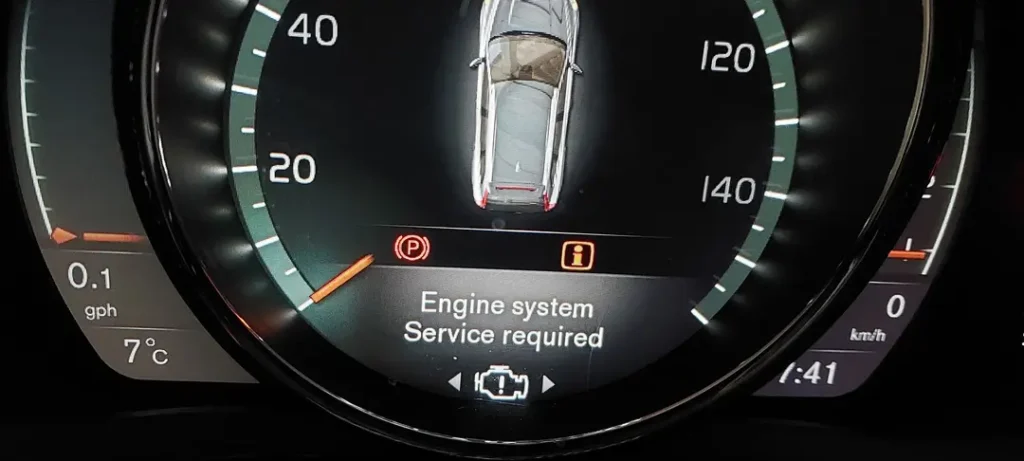
The engine system is the most important part of your vehicle, responsible for combusting the air-fuel mixture and converting heat energy into mechanical energy. When the “Service Engine Soon” message appears, it indicates an engine fault that needs to be addressed as soon as possible.
⚠️ Why You Should Fix It

Before taking your car to a mechanic, try these DIY fixes:
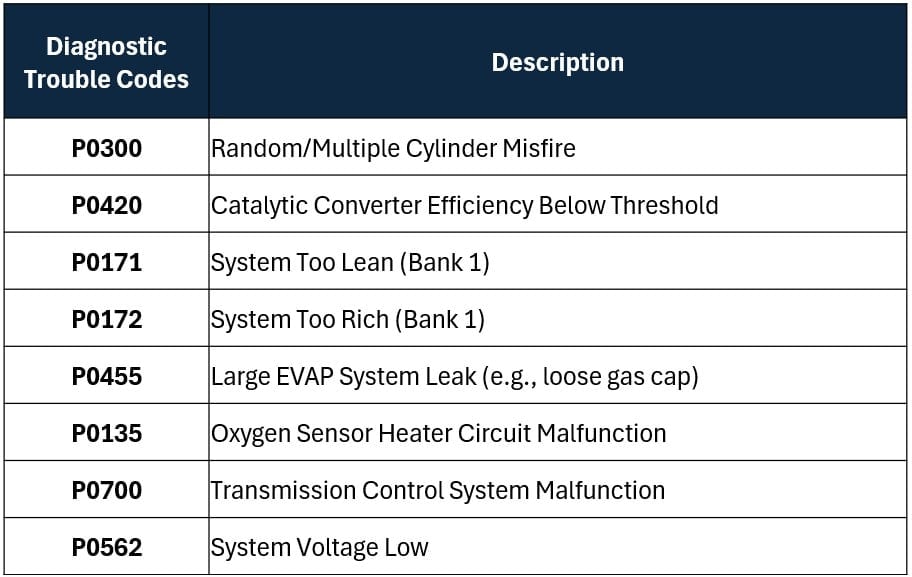
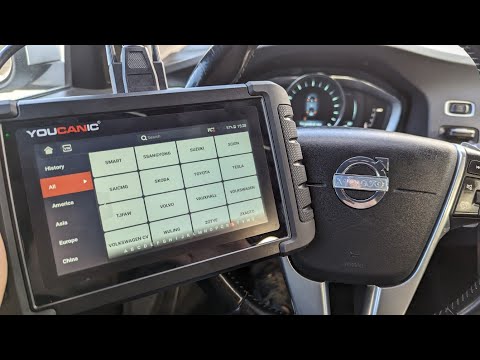
🚗 Need help decoding a fault code? Use the YOUCANIC Scanner to read and clear trouble codes instantly.
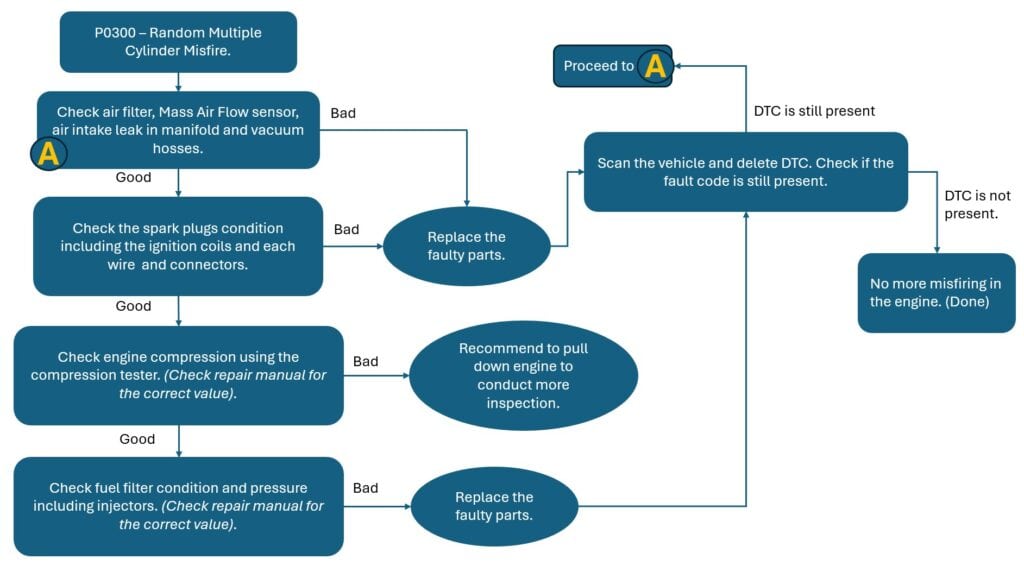
This code indicates abnormal combustion, which may damage your engine due to rough idling, resulting in low power output, higher fuel consumption, and increased emissions.
You can check for a misfiring cylinder using a scanner to read live data from the ECM. If the vacuum hoses, MAF sensor, spark plugs, ignition coils, engine compression, fuel filter, fuel pressure, injectors, air filter, and intake manifold are all in good condition, the issue may be related to the ECM.
Inspect the ECM wiring to ensure it is in good condition. Check for looseness, corrosion, burned wires, or cuts. A wiring diagram will be necessary to trace and locate each wire, including fuses and relays.
Sometimes, a faulty crankshaft position sensor (CKP) may not always trigger a DTC but can still cause issues. Inspect the sensor to ensure it is properly installed and clean it if necessary. A CKP malfunction can prevent the engine from starting or cause it to stall.
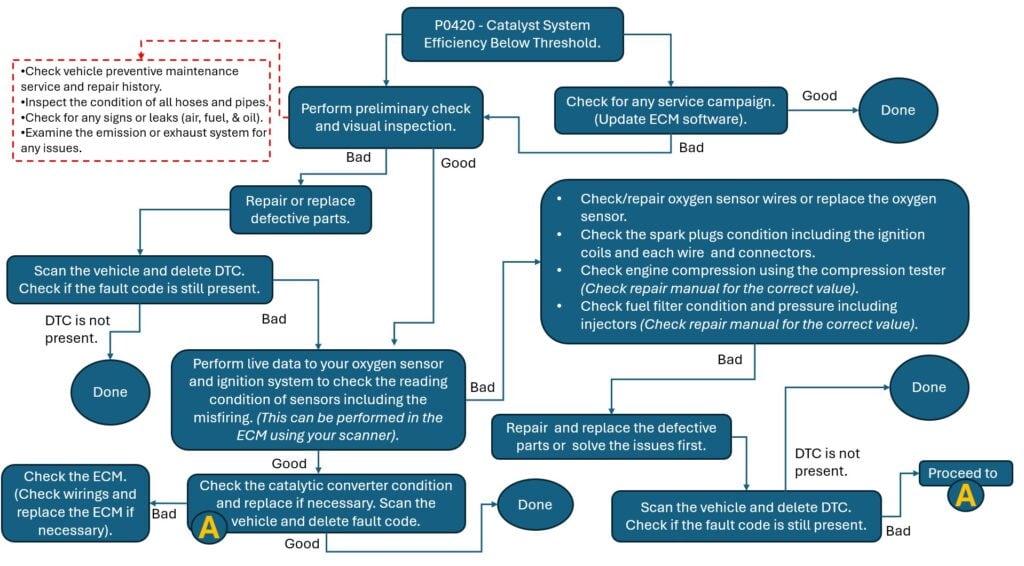
This code indicates that the catalytic converter is not operating efficiently in filtering harmful gases from the engine. Check your oxygen sensor functionality and the catalytic converter’s condition.
If the oxygen sensor functions properly, the next step is to check the vehicle’s emissions. A lean or rich fuel mixture can cause abnormal emissions. White smoke with a foul odor or black smoke due to carbon deposits may indicate issues with the engine or catalytic converter.
In some cases, poor emissions result from engine problems, such as excessive oil burning or coolant mixing inside the combustion chamber. This can be caused by piston ring failure or a faulty cylinder head gasket.
If the engine is functioning normally, there is a high likelihood that the catalytic converter is no longer effectively filtering harmful gases such as carbon monoxide (CO), hydrocarbons (HC), and nitrogen oxides (NOx). In most countries, replacing a faulty catalytic converter is mandatory. However, in some regions, cleaning the catalytic converter is permitted, depending on local regulations.
Note: For brand-new vehicles, a DTC code may appear due to a required software update or a faulty oxygen sensor. However, if the vehicle has high mileage (e.g., 100,000 km), there is a possibility that the catalytic converter may be clogged. Sometimes, a faulty ECM may also trigger the DTC.
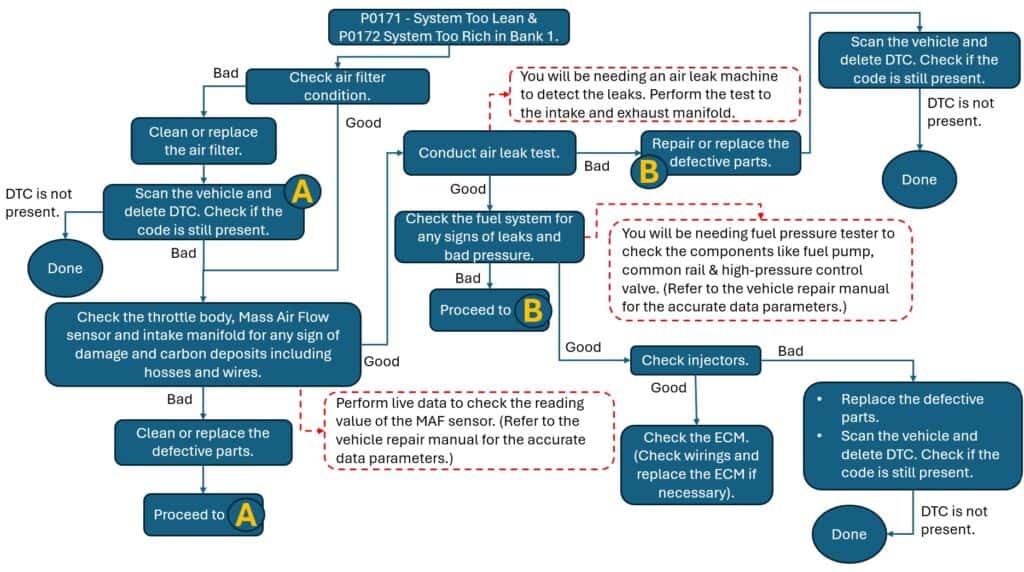
This code indicates a potential air leak or low pressure in the fuel lines. P0171 indicates that the ECM detects an air-fuel mixture that is too lean or too rich. P0172 indicates that the ECM detects too much fuel or too little air in the mixture.
Air leaks are difficult to detect visually, so special tools may be required for an accurate diagnosis. Checking fuel system pressure is also essential. If the fuel pressure is too high or too low, it can lead to engine malfunctions. Replacing the fuel filter and using a fuel pressure tester may be necessary. (Refer to the vehicle repair manual for accurate specifications.) Even if the fuel pump to the common rail shows proper readings, inspecting the injectors’ condition and operation is recommended, as they can also fail.

This code indicates that your vehicle’s EVAP (Evaporative Emission Control) system has detected a large fuel vapor leak. The EVAP system prevents gasoline vapors from escaping into the atmosphere, so a leak can cause increased emissions and fuel economy issues.
To prevent a “Service Engine” warning, following your vehicle’s Preventive Maintenance Service (PMS) schedule is recommended. Use the correct fuel octane rating, install genuine parts, update the Engine Control Module (ECM) software if needed, and practice good driving habits.
➡️Yes, this message tells you your vehicle has an abnormal emission condition.
➡️Yes, you can still drive the vehicle with the warning message. However, you should visit a repair shop for an inspection and necessary repairs as soon as possible.
➡️Yes, because the warning message only alerts the driver that something is wrong with the vehicle. This type of message can sometimes have multiple meanings, and a scanner is needed to identify the specific issue.
➡️The catalytic converter is designed to filter harmful pollutants such as Carbon Monoxide (CO), Hydrocarbons (HC), and Nitrogen Oxides (NOx) to reduce air pollution. It converts toxic gases into less harmful substances before releasing them into the atmosphere. Removing or tampering with a catalytic converter is illegal in most countries due to environmental regulations.
➡️Not necessarily, but if the issue is not fixed promptly, it could cause damage to other engine components, potentially leading to an engine overhaul.
The service engine warning message should never be ignored, as it could indicate a serious issue with your engine. Following these troubleshooting steps and scanning for fault codes can save time and money while ensuring your car remains safe and reliable.
Elbert G. Nonog is an Automotive Technical Writer and Training Manager with over 10 years of experience across major brands including Chevy, MG, Ford, Volkswagen, and Toyota. Rising from technician to leadership roles, Elbert excels at transforming complex automotive concepts into accessible training materials and documentation. His expertise spans conventional and electric vehicle systems, nationwide dealership training, and aftersales operations management. With TESDA certification and pursuing further education from the Technological University of Philippines, Elbert effectively bridges the gap between automotive engineering and practical application for industry professionals and enthusiasts.

Rushit Hila is a dedicated automotive engineer with ASE G1 certification and specialized training from an esteemed Automotive Specialty School. His hands-on experience and technical expertise in advanced diagnostics, system integration, and performance optimization make him a trusted voice in the industry.
Searching...
⭐⭐⭐⭐⭐ 4.8 stars · 247 Verified Reviews
The UCAN-II-D gives you full system diagnostics, bidirectional controls, and lifetime free updates. One scanner. Own it forever.
+ Free shipping · No subscription ever