
Jeep Grand Cherokee No Start: Quick Diagnosis and Easy Repair
Contributed by:

Reviewed/Verified by:

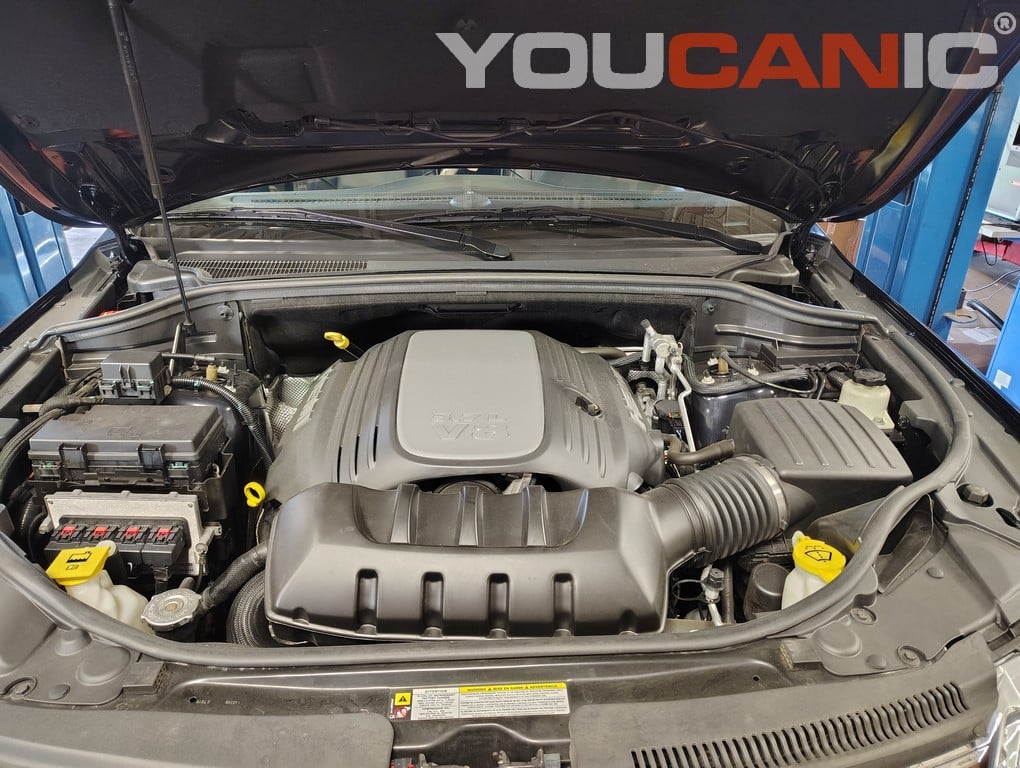
This 2011 Jeep Grand Cherokee had to be towed into the shop due to its no-crank/no-start condition. However, upon testing, the vehicle started multiple times a day for 4 days in a row. It wasn’t until we pulled it out of the shop to park it in the lot that we ran into a major problem. While backing out, the vehicle shut off on its own and refused to start back up.

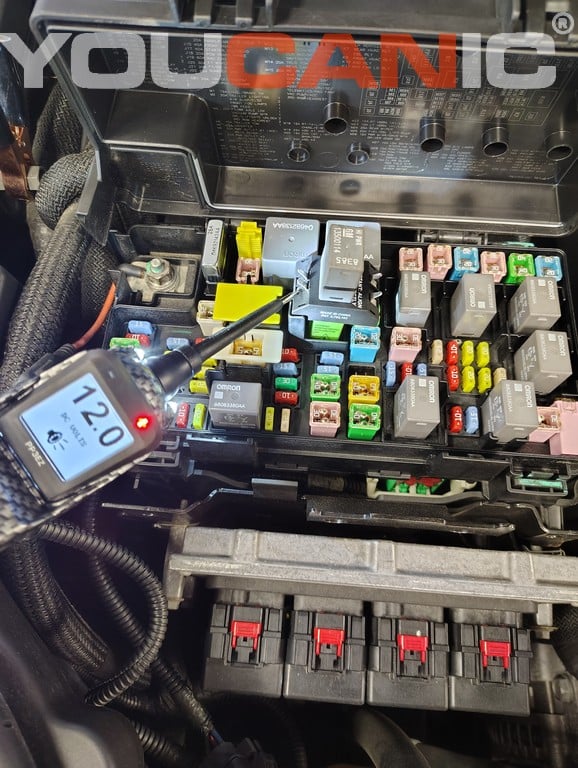
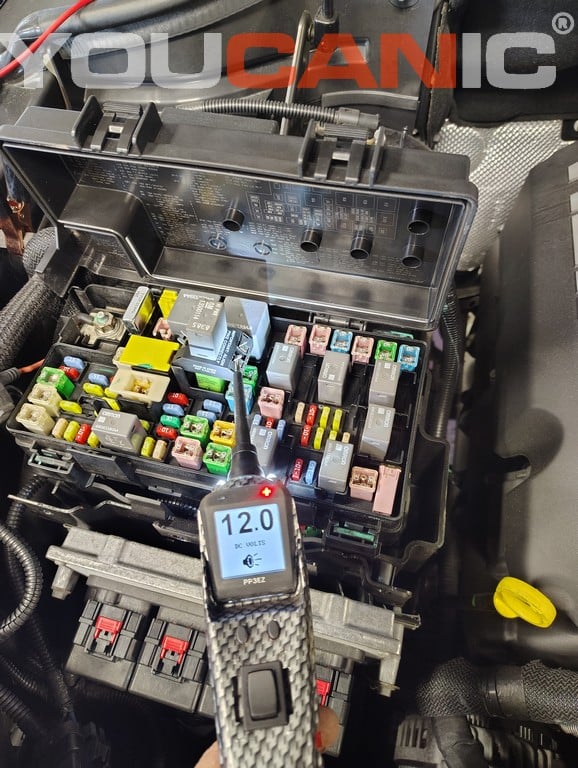
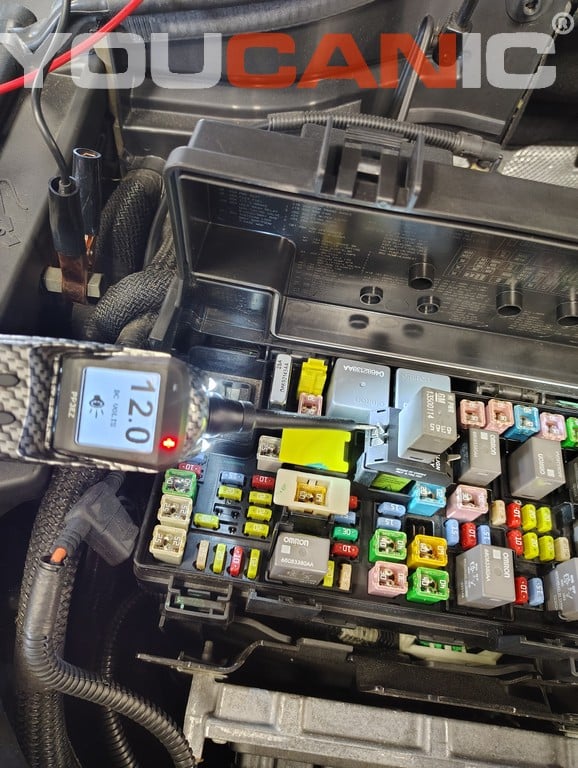
Since the Jeep shut off while moving and would not crank, I was able to eliminate a crank sensor issue as the cause. Experience told me to look into the ignition system next, as that is the only system that could cause both issues. I opened the underhood fuse box to access the relays related to the ignition system. Pulling up a wiring diagram showed the starter signal to come from the Run/Crank relay.
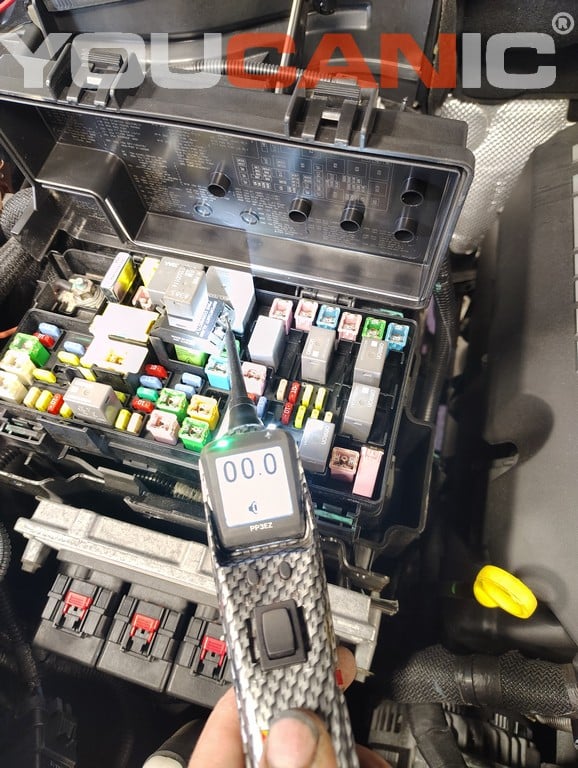
To properly test the relay, I used a relay tester kit and a Power Probe circuit tester. With the key off, there is 12V on 3 of the 4 pins of this 4-pin relay. The 4th pin will be at ground, 0V. The pin with 0V will become energized when the ignition switch is turned to the “start” position. One of the other 3 pins will change from 12V to a ground (0V) pin at the same time. This change energizes the coil inside the relay, causing it to turn on.

🔧 Find out what is actually wrong before you pay someone to guess
Dealer level diagnostics at home with the YOUCANIC UCAN-II Pro.
- ✔ Covers most makes and models, including many luxury brands. Send us your VIN and we will confirm your car before you order
- ✔ Reads every module, not just the engine, so you find the faults a basic reader says are not there
- ✔ Commands the car: test a fan or pump, bleed ABS, retract an electronic parking brake, register a battery
- ✔ No subscriptions. Free lifetime updates, so the price you pay is the whole price
- ✔ Backed by real mechanics in the USA you can email before and after you buy
Featured in The Wall Street Journal

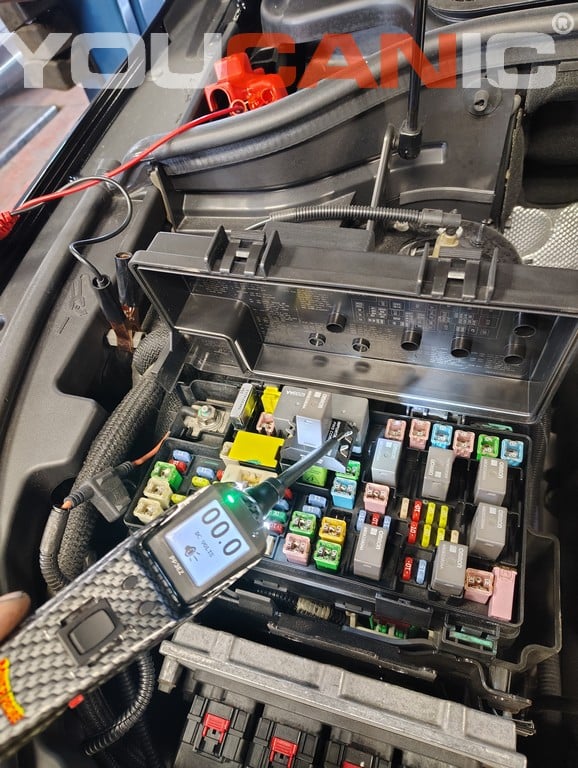
On this vehicle, the 12V pin changed to 0V, so the signal to start the car was there. However, the relay did not send power down the 4th pin. This indicated that the relay was not functioning. Using the circuit tester, I applied battery power to that 4th pin with the ignition switch in the on position. The engine cranked and started, confirming the circuit was good. At this point, it was clear that the relay was bad, but as a final test, I swapped the horn and the run/crank relay. The horn no longer worked, but the vehicle would start and run. Failed relay confirmed.
A new relay was installed in the run/crank slot, and the horn relay was returned to its original place.
Bonus Tip
Don’t condemn a starter as soon as a vehicle doesn’t crank. If this had been just a no-start issue, without the vehicle shutting off on its own while moving, my first step would have been to check the signal wire on the starter with either a circuit tester or even just a test light. It would not have been getting a signal, so all other steps would have been the same.
Related guides: Troubleshooting Chrysler Dodge Jeep TIPM Problems: Symptoms, Diagnosis, Solutions · FCA Chrysler Jeep Dodge Fiat Ram Security Gateway Module Location · How to Read and Clear Fault Codes on Jeep Vehicles
Extra Images



Sorry. I meant above that ignition should affect starting, but not cranking.
I don’t understand why it was said that the ignition system is the only one that could affect both cranking and starting. The ignition system should only affect cranking, but not starting. If the ignition system was faulty, it should still crank but not start, right?