The Weirdest Electrical Problem I’ve Seen on a 1998 Ford F-150
Reviewed/Verified by:

A 1998 Ford F-150 rolled into the shop recently with an electrical problem that had me scratching my head at first. The customer description of the symptoms went like this: “My headlights and blinkers don’t work unless I plug in an OBD-II scanner.”
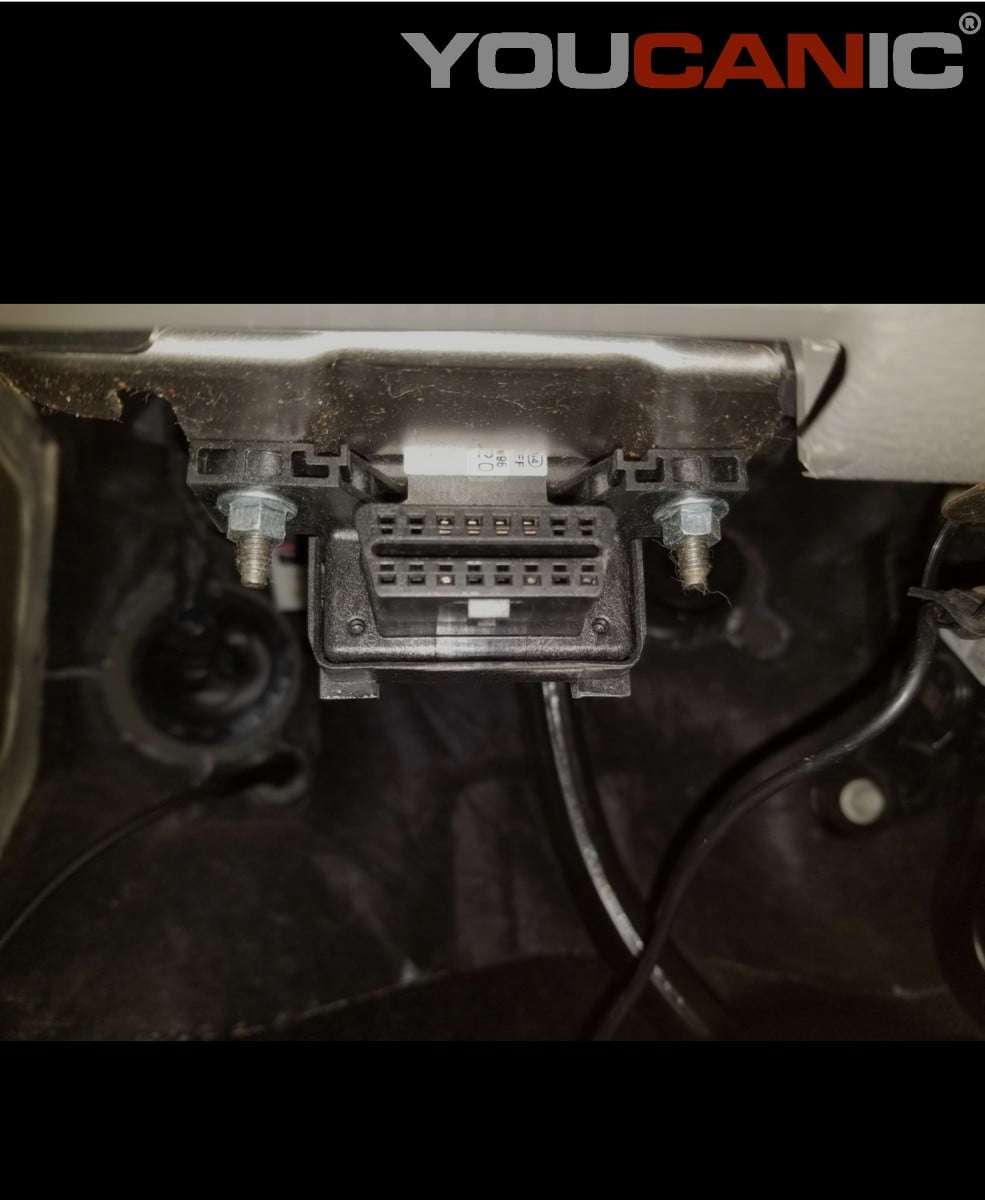
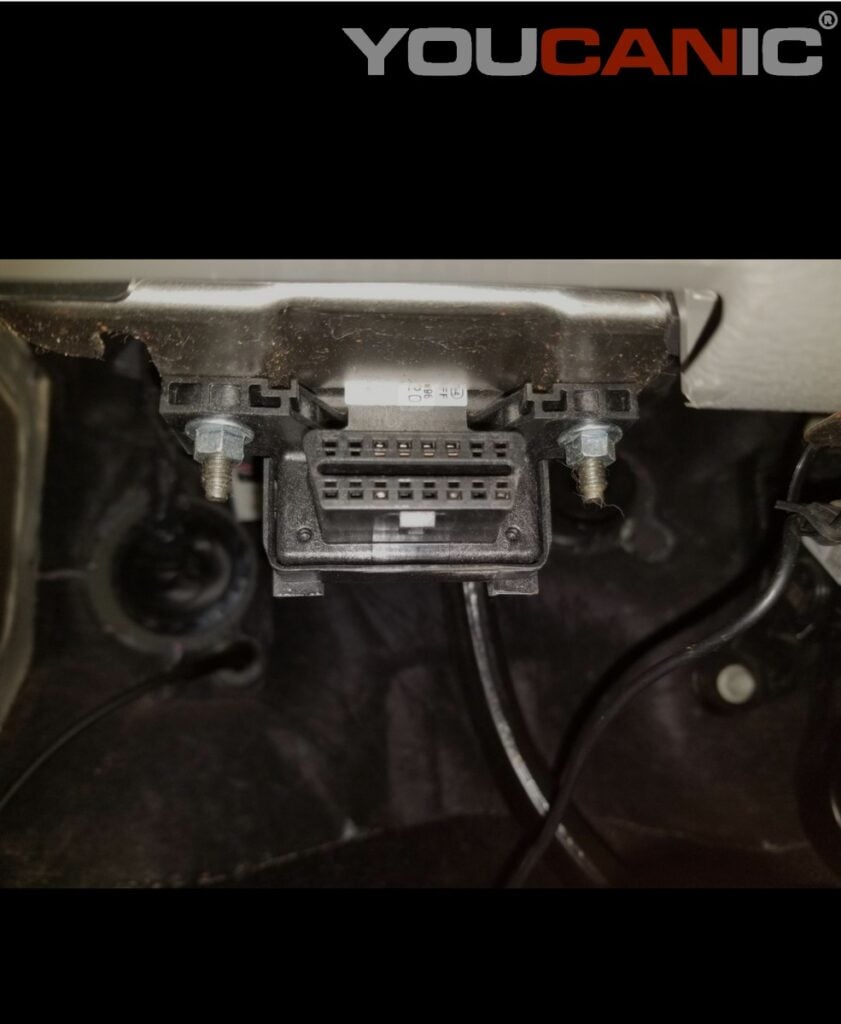
Now, I’ve heard some crazy complaints in my time as a mechanic, but this one sounded pretty out there. I figured maybe he was confused or something else was going on, so I grabbed the keys to check it myself. With nothing plugged into the OBD-II port, sure enough, no headlights, no turn signals, nothing. Then I plugged in my OBD-II scan tool, and just like that—boom—headlights came on (though dim), blinkers started working again, and so did the parking lights. I unplugged the OBD-II scanner from the port and everything died again.

Now I’m sitting there thinking, “Alright, this truck’s haunted,” but deep down, I knew it had to be a grounding problem or some kind of backfeed through the diagnostic connector. When an electrical system only works with a scanner hooked up, it’s usually because power or ground is trying to find an alternate path through the tool. That’s not normal, but I’ve seen stranger things on older Fords.

🔧 Stop paying the dealer for every warning light
Get dealer level diagnostics at home with the YOUCANIC Full System Scanner.
- ✔ Works with all makes and models, including most luxury brands
- ✔ Topology map view shows all vehicle modules on one screen for faster diagnostics
- ✔ Bi directional controls to test fans, pumps, actuators and more so you do not have to guess
- ✔ Special resets and calibrations such as ABS bleed, EPB service, battery registration and more
- ✔ Free lifetime updates with no recurring fees
I started with the basic troubleshooting at first. Grabbed the multimeter and started checking the power at the headlight switch and the multifunction switch. Right away, the readings were flaky. Voltage was dropping out, and the grounds didn’t look right. It was acting like it was missing a main ground point.

I pulled up the wiring diagram for the truck and traced where the headlights and turn signals share grounds, and sure enough, one of the major ground splice points is located behind the passenger side kick panel.

So far, I’ve chased down plenty of Ford electrical gremlins over the years, and that spot is notorious for hiding problems. I pulled the kick panel trim and peeled back the carpet to see what was going on. Sure enough, there was a bundle of factory ground wires tied together back there. I started tugging on them one by one until one wire came loose with almost no effort. It was corroded and broken right at the splice. Bingo. That broken ground wire explained everything; the whole lighting circuit lost its main ground, so when I plugged in my scanner, the truck was borrowing a ground path through the diagnostic connector, which, while not normal, it now makes sense, and that was my suspicion as well.
The car control units were literally grounding themselves through my tool, which is why everything magically worked only when something was plugged in. Once I found the problem, the fix was straightforward. I cut out the corroded section of the wire, stripped back the insulation until I had clean copper, and tied it back into the ground bundle.

I soldered the splice and crimped it tight to make sure it wasn’t going to come apart again. Then I sealed it up with heat shrink to keep moisture out. With that done, I checked continuity on all the grounds, and everything looked solid. Then came the moment of truth: time to test it. I hopped back in the truck, hit the headlight switch, and the lights came on bright as can be without a scanner hooked up. I flicked the turn signals, and they were flashing steadily.
Problem solved. I even road-tested the truck to be sure, and everything worked like it should. No more “ghost” behavior with the OBD-II port. Looking back, it’s kind of funny how such a small issue—a single broken ground wire—can cause such a bizarre problem. To the customer, it seemed like plugging in a scanner “fixed” his truck, but really, all it did was give the system a temporary ground to limp along with. Once I put the ground back where it belonged, the truck went right back to acting normal. I’ve seen plenty of electrical gremlins over the years, but this one’s going in the books as one of the stranger ones. Just goes to show, nine times out of ten, when a vehicle’s doing something that makes no sense, you chase the grounds first.