Dreadful A/C Issues on a 2004 Chevy Express: Pro Repair & Troubleshooting Tips
Contributed by:

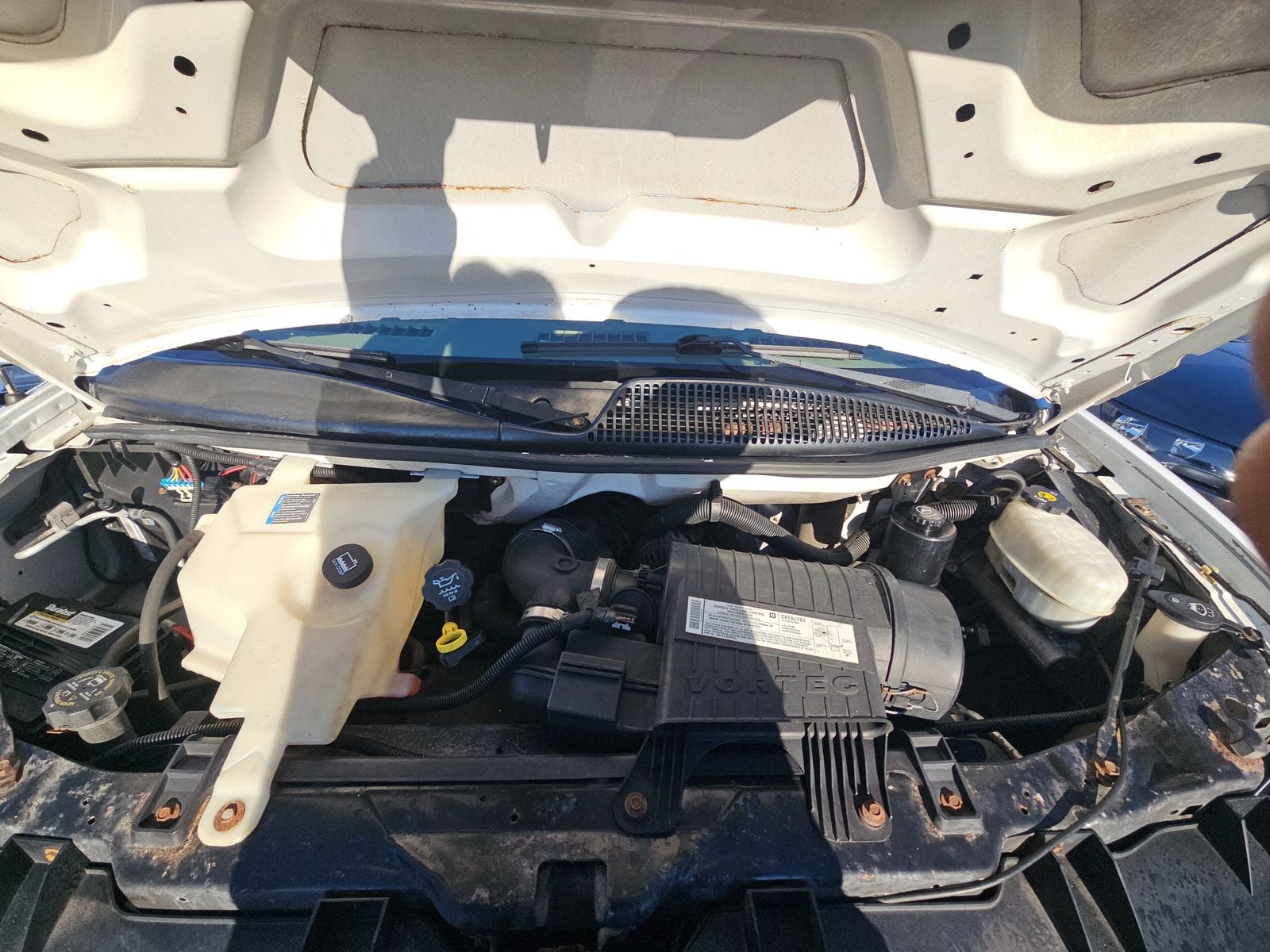
An older Chevy minibus rolled into my shop today, with the customer complaining that the A/C would not get cold. This is a typical GM problem, and I will show you how to troubleshoot the problem with and without an expensive scan tool in this article.

The first step in any A/C-related repair is to figure out whether the A/C compressor is turning on or not. In this case, mine was not. If your A/C compressor is turning on, this is not the article for you. If the A/C compressor is not turning on, first check for low freon levels. You can do this with an expensive evacuate/recharge machine, or just a cheap low-side gauge.

If the static pressure is below 40 psi, freon levels are too low, and the computer will not turn the compressor on. Add more freon until the static pressure is between 75 and 80 psi. You may find that the compressor will turn on now, and your problem is almost solved. The next step is to find the leak and seal it off; otherwise, you will need to keep topping it off periodically.

🔧 Stop paying the dealer for every warning light
Get dealer level diagnostics at home with the YOUCANIC Full System Scanner.
- ✔ Works with all makes and models, including most luxury brands
- ✔ Topology map view shows all vehicle modules on one screen for faster diagnostics
- ✔ Bi directional controls to test fans, pumps, actuators and more so you do not have to guess
- ✔ Special resets and calibrations such as ABS bleed, EPB service, battery registration and more
- ✔ Free lifetime updates with no recurring fees

Troubleshooting Without a Scanner
Once you verify that the compressor is not turning on, but the system is full, you can proceed with diagnostics in two different ways, depending on whether you have a scan tool that can display the necessary data. I’ll start with the non-scan tool method, but if you have a scan tool that will show you live data, scroll down to the next section. First, verify that the compressor is receiving a signal (i.e., that the computer is instructing the compressor to turn on). To do this, grab a test light and crawl under the vehicle.

Disconnect the two-pin connector to the compressor, and with the engine running and the A/C on max, one of the pins should make the test light turn on. If you are getting a good signal and the compressor is still not engaging, it means you have a faulty compressor (technically, just a faulty clutch, but it is easier to replace the entire compressor). If you are not getting a signal, the next step is to test the relay.
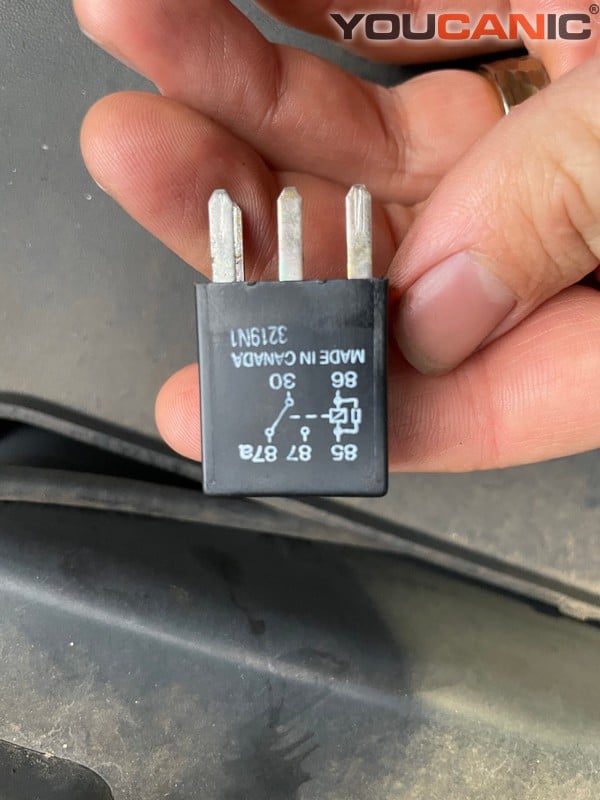
A quick and easy relay test you can do is to swap the potentially faulty relay with an identical one from another slot in the fuse box. If it works now, it’s just a bad relay. If that doesn’t work, jump the cavities for pins 30 and 87.
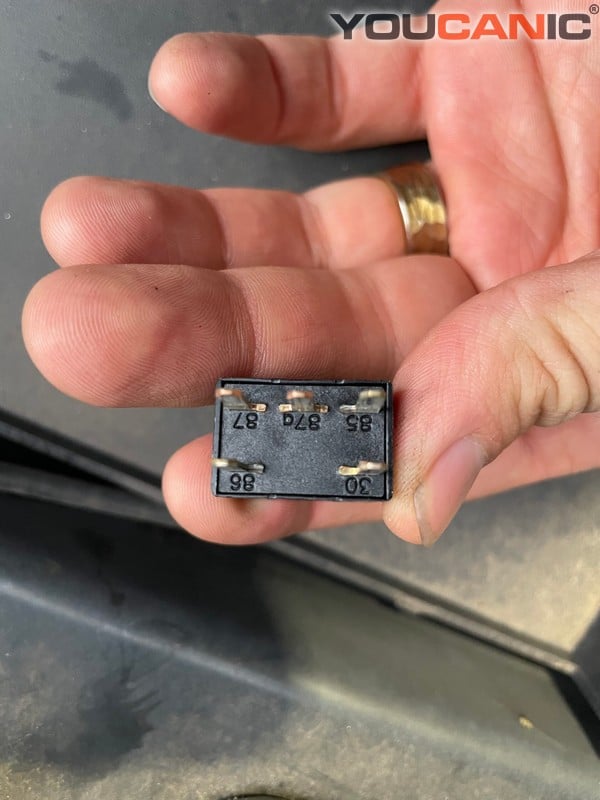
You can purchase special terminals that make this process easier and more professional, but a paperclip works just fine.
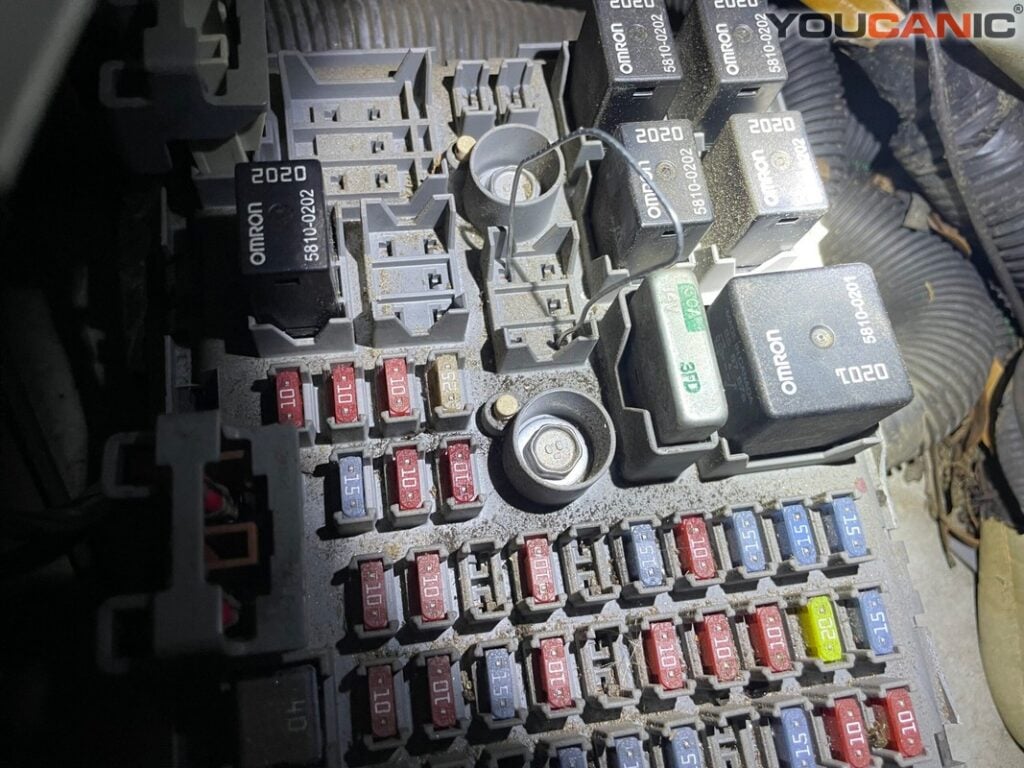
What you are looking for is whether or not the compressor turns on. If the compressor does not turn on, then look for a broken wire between the compressor and the relay. If the compressor turns on, then we have verified that all wiring between the compressor and the relay is okay.
We also know now that the problem lies on the control side of the relay, which means the computer is not instructing the relay to turn on, and/or the wiring is faulty on that side. At this point, the problem is 97% likely to be the A/C control module in the dash.
Troubleshooting With a Scanner
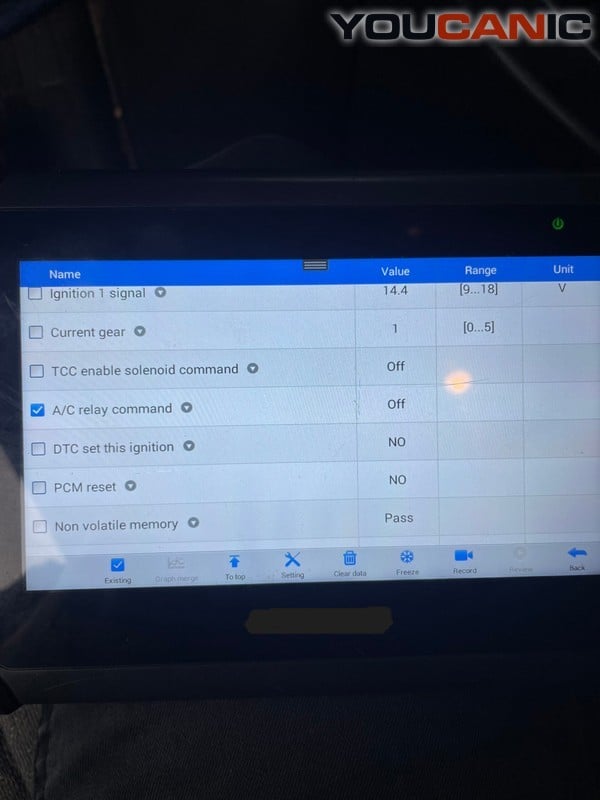
Connect your full-system scanner to the OBD-II port on your Chevy. Pull up the live data from the PCM. There should be a PID that reads “A/C relay command.” Toggle the A/C switch on the dash and watch for the PID to change on and off.
If it is stuck in the on or off position, your problem is very likely going to be the A/C control module. If you want to be extra sure, you can run an active test and see if you can activate the A/C compressor using the scan tool. If you can, then you’ve verified all the wiring between the PCM and the compressor. The only two options left are the wires between the A/C control module and PCM, or the A/C control module itself.
This is a common issue with this vehicle. Over time, the switch will develop a fault that prevents it from sending a signal to the computer, preventing the A/C from turning on. You could take extra steps to verify the integrity of the wiring between the A/C control module, the PCM, and the fuse box, but in my experience, that is an unnecessary hassle.
If the issue is on the A/C control module, the fix is pretty simple. Remove the dash panel and a few screws that hold the module in place. You just have to be careful on older modules that all the dash plastic will crack very easily. Carefully disconnect all electrical connections. Take a picture of all the connections so that you can click them all in place when you install the new module. Install the new A/C control module, reconnect all components, and carefully reassemble the dash panel.