
Mercedes-Benz M278 Engine Problems
The Mercedes-Benz M278 engine found on many models from 2010 to 2020, such as the S550, GL450, CLS550, E550, etc., a cornerstone of innovation and power in the Mercedes-Benz lineup, represents a significant leap forward in automotive engineering. This advanced V8 biturbo powerhouse, succeeding the M273, is a marvel of modern technology yet brings challenges. While it offers enhanced performance and efficiency compared to its non-turbocharged predecessor, the M278 is also known for its turbo-related complexities and a tendency to operate at higher temperatures. This in-depth exploration delves into the intricacies of the M278, discussing its remarkable capabilities and addressing the issues that owners and enthusiasts should be aware of.
Cooling Lines
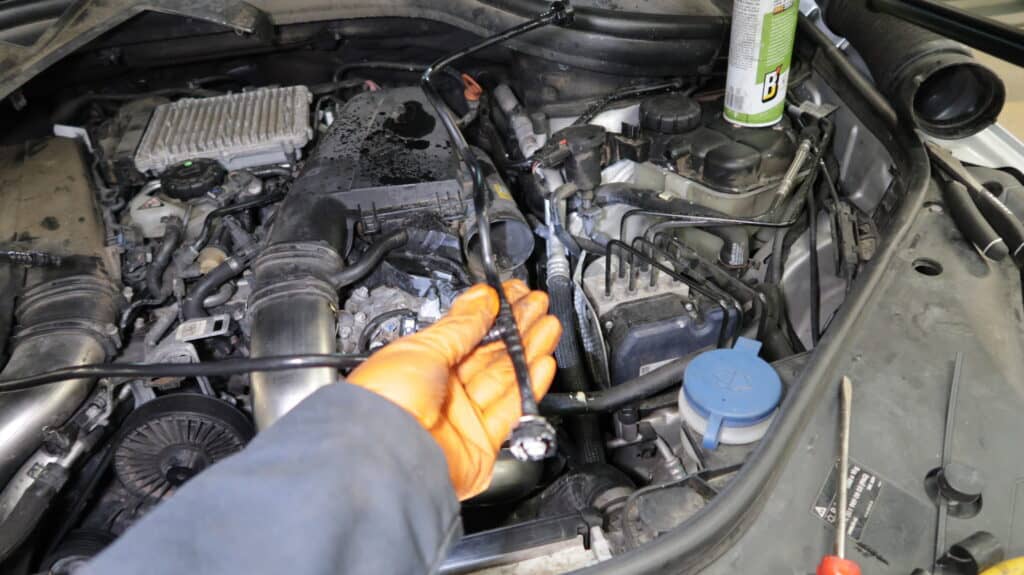
The turbo cooling lines can become brittle and crack over time. Once a line cracks, replacing it is the only way to repair it. Check the coolant level; if it’s too low, the light will eventually come on, and the engine will overheat.

We have seen owners add additives to repair coolant leaks. Additives can not repair broken lines and fail to stop leaks in these thin coolant lines. In some cases, additives can restrict the coolant flow on these small diameter lines, which leads to more overheating and, in some cases, even the engine seizing up.

🔧 Stop paying the dealer for every warning light
Get dealer level diagnostics at home with the YOUCANIC Full System Scanner.
- ✔ Works with all makes and models, including most luxury brands
- ✔ Topology map view shows all vehicle modules on one screen for faster diagnostics
- ✔ Bi directional controls to test fans, pumps, actuators and more so you do not have to guess
- ✔ Special resets and calibrations such as ABS bleed, EPB service, battery registration and more
- ✔ Free lifetime updates with no recurring fees
Overheating
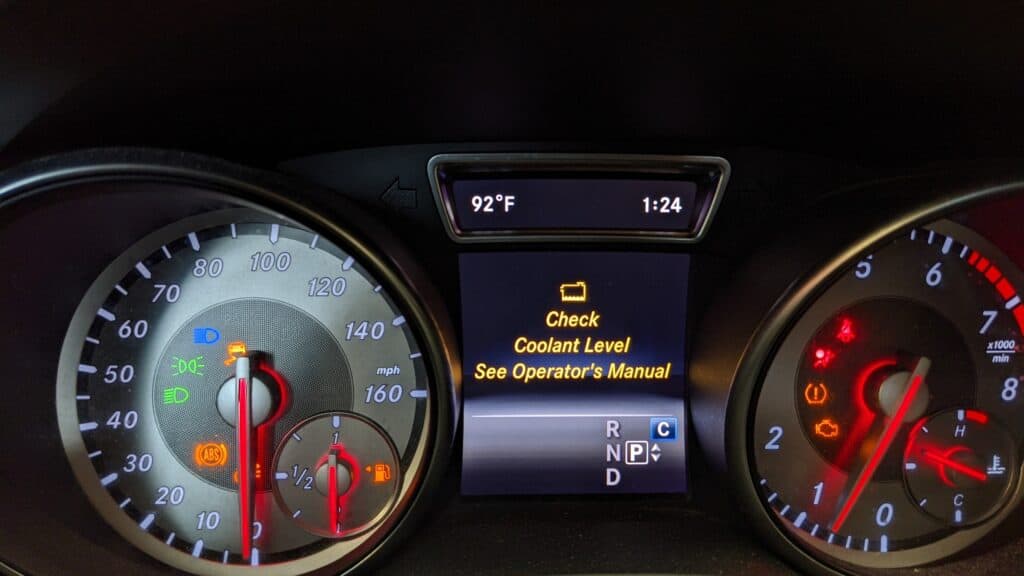
Overheating in the M278 engine can be attributed to several factors, including malfunctioning cooling systems, blocked radiators, or issues with the water pump. These problems can lead to the engine running hotter than intended, which, if not addressed promptly, can cause significant damage to the engine components, affecting the vehicle’s performance and longevity.
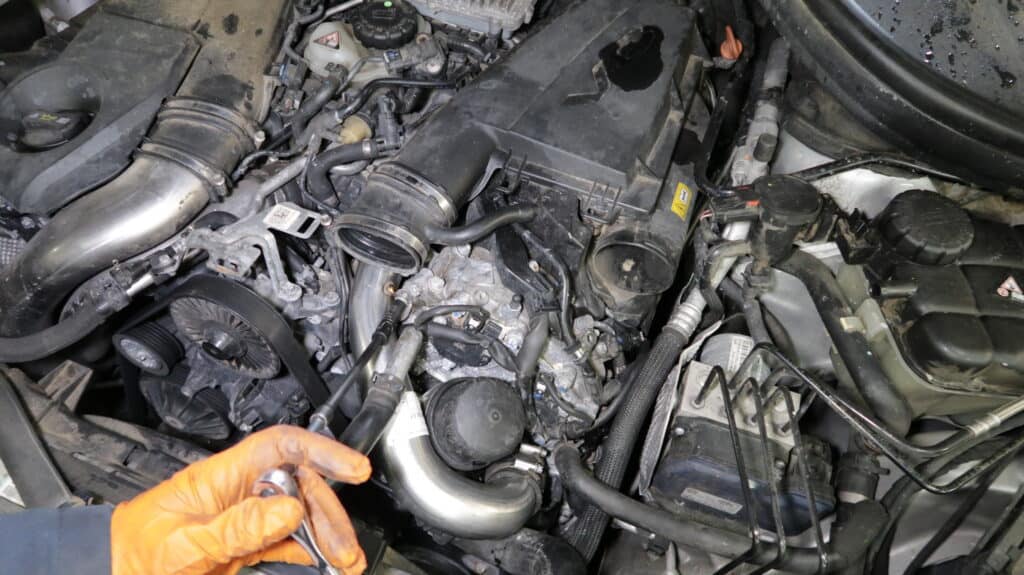
In addressing overheating problems in the M278 engine, it’s crucial to understand the underlying causes. Regular maintenance checks can help identify early signs of cooling system issues, such as leaks or blockages. Additionally, ensuring that the coolant is at the correct level and the radiator functions effectively is vital. In cases where the water pump is faulty, a replacement might be necessary. Since the M278 is a complex and advanced engine, professional diagnosis and repair are often recommended to ensure accurate identification and resolution of overheating issues, thus maintaining the engine’s integrity and the vehicle’s overall health.
Timing Chain Issues

The early production of M278 suffered from timing chain issues. M278 affected engines include:
- Up to engine number 278 9xx 30 073273, install check valves and chain tensioners.
- From engine number 278 9xx 30 073274 up to engine number 278 9xx 30 103675 (February 2013), install check valves only (optimized tensioners installed in this production range)”
Valve seat issues

There have been several cases where valve seats have started to leak. Vale seat leaks lead to engine misfire and poor engine performance. Repairing vale seal leaks can be very expensive as the engine needs to be removed from the vehicle. The head must be removed from the engine block, and the faulty valve seals must be replaced. Without a warranty, this repair can cost over USD 10,000.
If you have a Mercedes-Benz vehicle with an M278 engine and check the engine light due to a cylinder misfire, perform a compression test in that cylinder. Here is a forum discussion that goes over this issue.
Piston scuffing

Piston scuffing is a condition with excessive friction and wear between the piston and the cylinder wall. In the M278 engines, this issue was primarily due to the high thermal and mechanical stresses imposed on the pistons, exacerbated by the engine’s advanced power output and turbocharging technology. The problem was more pronounced under certain driving conditions, such as sustained high-speed travel or when operating under heavy loads, leading to reduced engine performance and longevity.
This piston scuffing issue in early M278 models had significant implications. Owners reported symptoms like increased oil consumption, loss of power, and, in severe cases, engine failure. To address these concerns, Mercedes-Benz undertook several measures. They revised the piston material and design in later engine models to enhance durability and reduce the likelihood of scuffing. Additionally, they issued service bulletins and extended warranties for affected vehicles, offering repairs and replacements where necessary. The issue highlighted the importance of balancing high-performance engineering with reliability, and subsequent M278 engines saw improvements that mitigated these early challenges.
Camshaft sensor
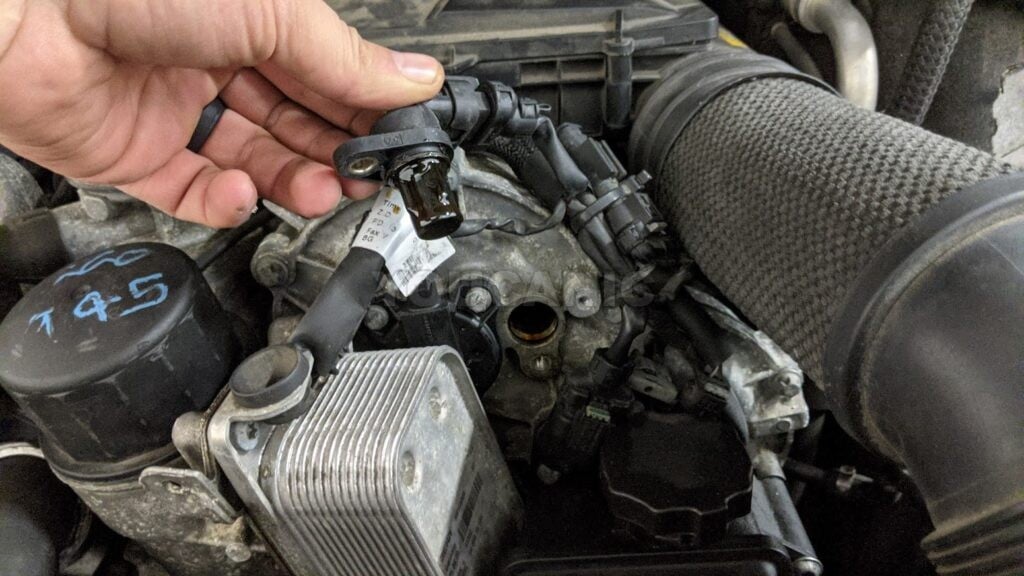
The camshaft position sensor can fail over time. The most common reason why these fail is because oil or coolant gets into the wire harness. Once it fails, it will trigger fault codes such as P0016 (position crankshaft/camshaft sensor A Bank1).
A typical sign of a failing camshaft position sensor is the engine requiring several seconds of cranking to start. In essence, starting the engine might take twice the usual cranking time. Additionally, the engine may run roughly for a brief period upon starting. The M278 engine contains four cam sensors. To confirm an issue, disconnect the electrical connector and inspect for oil contamination. If oil is present, thoroughly clean the connector and let it dry. Replace any cam sensors that are leaking oil.
Which Mercedes-Benz engine is better, M273 or M278?
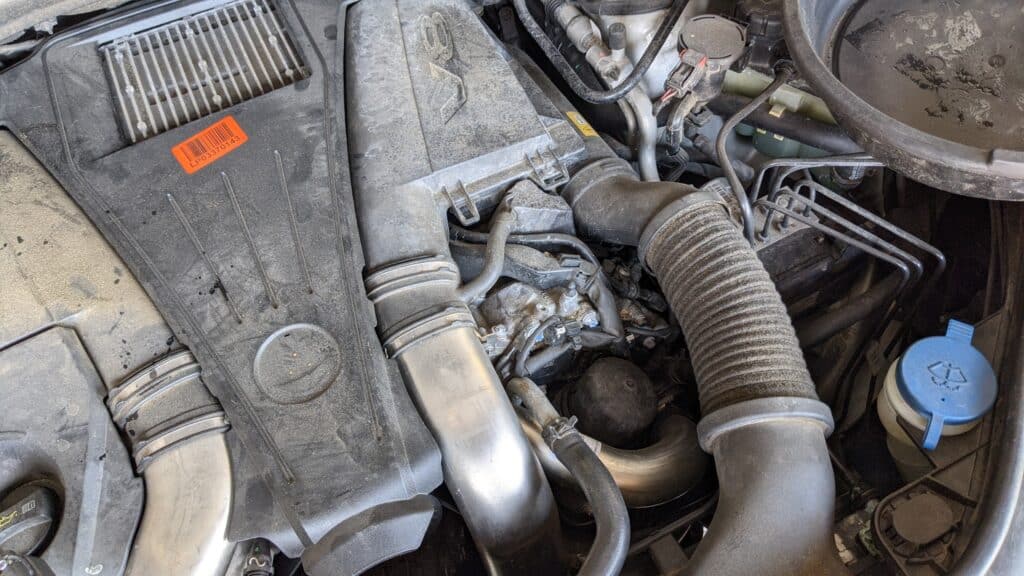
The M278 engine is more fuel efficient and powerful than the M272 and M273 naturally aspirated engine. Concerning reliability, the older M272 V6 and M273 V8 engines are more reliable and have fewer issues than the M278 engine.
Mercedes-Benz M278 Applications
The Mercedes-Benz M278 engine, a 4.7-liter biturbo V8, has been a key player in Mercedes-Benz’s lineup, known for its robust performance and advanced technology. This engine has been used in various Mercedes-Benz models, primarily in higher-end and performance-oriented vehicles. Its applications span several model ranges and years, showcasing Mercedes-Benz’s commitment to combining luxury with powerful engineering. Here are some notable models that have featured the M278 engine:
Mercedes-Benz M278 bi-turbo engine is found in the following models:
- 2011–2017 Mercedes-Benz S-Class (S500 in Europe, S550 in the US)
- 2011–2014 Mercedes-Benz CL-Class (CL500 in Europe, CL550 in the US)
- 2015-2017 Mercedes-Benz S-Class Coupe/Cabriolet (S500 in Europe, S550 in US)
- 2011–2018 Mercedes-Benz CLS-Class (CLS500 in Europe, CLS550 in the US)
- 2012– Mercedes-Benz SL-Class (SL500 in Europe, SL550 in the US)
- 2012–2014 Mercedes-Benz E-Class (E500 in Europe, E550 in the US)
- 2012-2014 Mercedes-Benz M-Class/GLE-Class (ML500/GLE500 in Europe, ML550 in US)
- 2013–2014 Mercedes-Benz GL-Class (GL450 in Europe and US)
- 2013– 2019 Mercedes-Benz GL-Class/GLS-Class (GL500/GLS500 in Europe, GL550/GLS550 in the US)