Car Won’t Start Hybrid Interlock Circuit Open
Reviewed/Verified by:

Hybrid vehicles from Toyota, Honda, Ford, Audi, VW, BMW, and Mercedes-Benz utilize interlock circuits for the hybrid system. If the interlock circuit is tampered with, the vehicle will not start.
At a Glance
- What the interlock loop is: a low voltage safety circuit that runs through every high voltage connector and cover on the car. If any one of them is loose, the car refuses to energize the high voltage system and will not start.
- Most common cause: the high voltage service disconnect plug not fully seated, usually after battery or inverter work.
- Second: a corroded or damaged interlock connector, often from water intrusion in the battery compartment or around the inverter.
- Third: a damaged high voltage cable or a cover left off after service.
- Before anything else: this is a high voltage system. Orange cables and connectors can kill you. Do not open any of them without proper training, insulated gloves and the correct procedure.
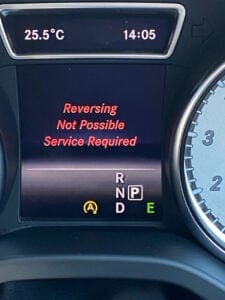
A fault code such as “The interlock circuit of the high-voltage on-board electrical system has a malfunction.” will get triggered and disable the engine start.

The high-voltage system on hybrid vehicles can utilize up to 360 volts. Such voltage can cause injuries or even death when an untrained technician works on the hybrid system.

🔧 Find out what is actually wrong before you pay someone to guess
Dealer level diagnostics at home with the YOUCANIC UCAN-II Pro.
- ✔ Covers most makes and models, including many luxury brands. Send us your VIN and we will confirm your car before you order
- ✔ Reads every module, not just the engine, so you find the faults a basic reader says are not there
- ✔ Commands the car: test a fan or pump, bleed ABS, retract an electronic parking brake, register a battery
- ✔ No subscriptions. Free lifetime updates, so the price you pay is the whole price
- ✔ Backed by real mechanics in the USA you can email before and after you buy
Featured in The Wall Street Journal

The YOUCANIC UCAN-II Pro scanner can be used to check the status of the interlock circuit or read codes from the hybrid battery (BMS). The hybrid vehicle interlock circuit is designed to disable engine start for safety reasons. One of the main functions is preventing injuries to anyone not trained to work with the high-voltage system.
The following problems can cause the interlock circuit to be open and prevent the engine from starting:
- The interlock safety connector has been removed.
- High voltage (orange) cables are damaged.
- The high voltage loop is broken.
Interlock Safety Connector

Typically, the high voltage safety connector, or the interlock safety connector, is mounted on the power electronic module. An interlock safety connector may also be mounted near the 12-volt or high-voltage battery on some makes. The connector will de-energize the high-voltage system if it is accidentally disconnected or if anyone tampers with it.
When the high-voltage safety connector is removed, the interlock circuit is broken, and the high-voltage system is automatically turned off. In most cases, you will not be able to start the vehicle.
A fault code related to a high-voltage interlock loop will be stored in the ECU or hybrid system control module. The vehicle may not start even after connecting the safety connector. Fault codes will often need to be cleared to start the engine. The high-voltage safety connector should only be removed when the ignition is off.
Damaged Cables

The cables for the high-voltage system can get damaged, especially if the vehicle has been in an accident. In addition, the high-voltage cables may have an inline fuse that may blow. If the fuse is blown, the high-voltage system gets switched off. When reconnecting the orange hybrid cables, ensure they are fully connected and secured.

If the high voltage cables are damaged, it is recommended to replace them instead of repairing the damaged cable.
If the high-voltage cables are disconnected, you will also see a hybrid battery warning symbol on the instrument cluster.
The high voltage loop typically runs the high voltage battery to the electrical A/C compressor rather than the electric machine. The electric machine sits between the engine and the transmission. The electric machine power electronic unit (also called electrical machine electronics) is mounted to the side or top of the transmission.
Fault codes such as the interlock circuit of the high-voltage onboard electrical system a malfunction that may stay present even after the interlock safety connector has been connected. To start the vehicle, you will need a professional diagnostic scanner to reset such fault codes.
Get Help

If you are having issues with the hybrid, please “contact the YOUCANIC” team with any questions that you may have.
We can help you troubleshoot the problem FREE of charge if you send us the codes. We need the fault codes from these four modules:
- Engine ECU,
- DC/DC converter,
- BMS: Battery Management System
- SG-ME Power Electronics Module
Once we have the codes, we can tell you if you have a bad power electronic module, hybrid battery, or both.
If your vehicle is at the dealership or mechanic, ask them for the list of codes and send them to us. If you want to ship the car to Baltimore, we can repair it at a fraction of the dealer’s cost. We love these cars and believe it is a sin to pay over $10k to keep them running.

What This Repair Costs
| Repair | Typical total cost |
|---|---|
| Reseating the service disconnect plug | No cost if done by a qualified tech during other work |
| Interlock connector repair | $150 to $500 |
| High voltage cable replacement | $400 to $1,500 |
| Water ingress repair in the battery compartment | $300 to $1,200 |
| Hybrid or EV specialist diagnosis | $150 to $350 |
Rough US estimates for planning, not quotes. Prices vary widely by model, parts brand and region, so get a written quote before committing.
The fault itself is often trivial. What makes it expensive is that locating it means working around live high voltage, which is why this is a job for someone trained for it.
When to Stop and Hand It Over
- Any part of this job. The interlock circuit exists specifically because the system behind it is lethal.
- The fault appeared after an impact, water crossing or flood.
- You see damage to any orange cable, or a high voltage warning alongside the interlock code.
- The vehicle has been worked on recently. Go back to whoever did that work first.
Reading the Hybrid System Codes
An interlock fault can be set by any one of a dozen connection points, and the code often names which circuit segment reported open. That narrows a whole car search down to one area. A generic OBD2 reader cannot read the hybrid control modules at all, so it offers nothing here.
The YOUCANIC UCAN-II Pro reads hybrid and high voltage system codes across supported makes, which gives whoever does the work a starting point rather than a whole vehicle to inspect. Reading codes from the driver seat is safe. Acting on them around orange cables is not, and that distinction matters on this fault more than on any other in this section.
Frequently Asked Questions
What is the hybrid interlock circuit?
It is a low voltage loop that runs through the high voltage connectors and covers. If any of them is open or loose, the circuit opens and the hybrid system will not switch on.
Can I fix an interlock circuit open fault myself?
You can check that covers and the service plug are fully seated, but stay away from orange high voltage cables. Anything beyond that is a job for a trained technician.
Can a recent repair cause this fault?
Yes. A connector or cover that was not fully reconnected after a repair is a common cause, so check recent work areas first.
Check these troubleshooting and repair guides for more help on your vehicle.