
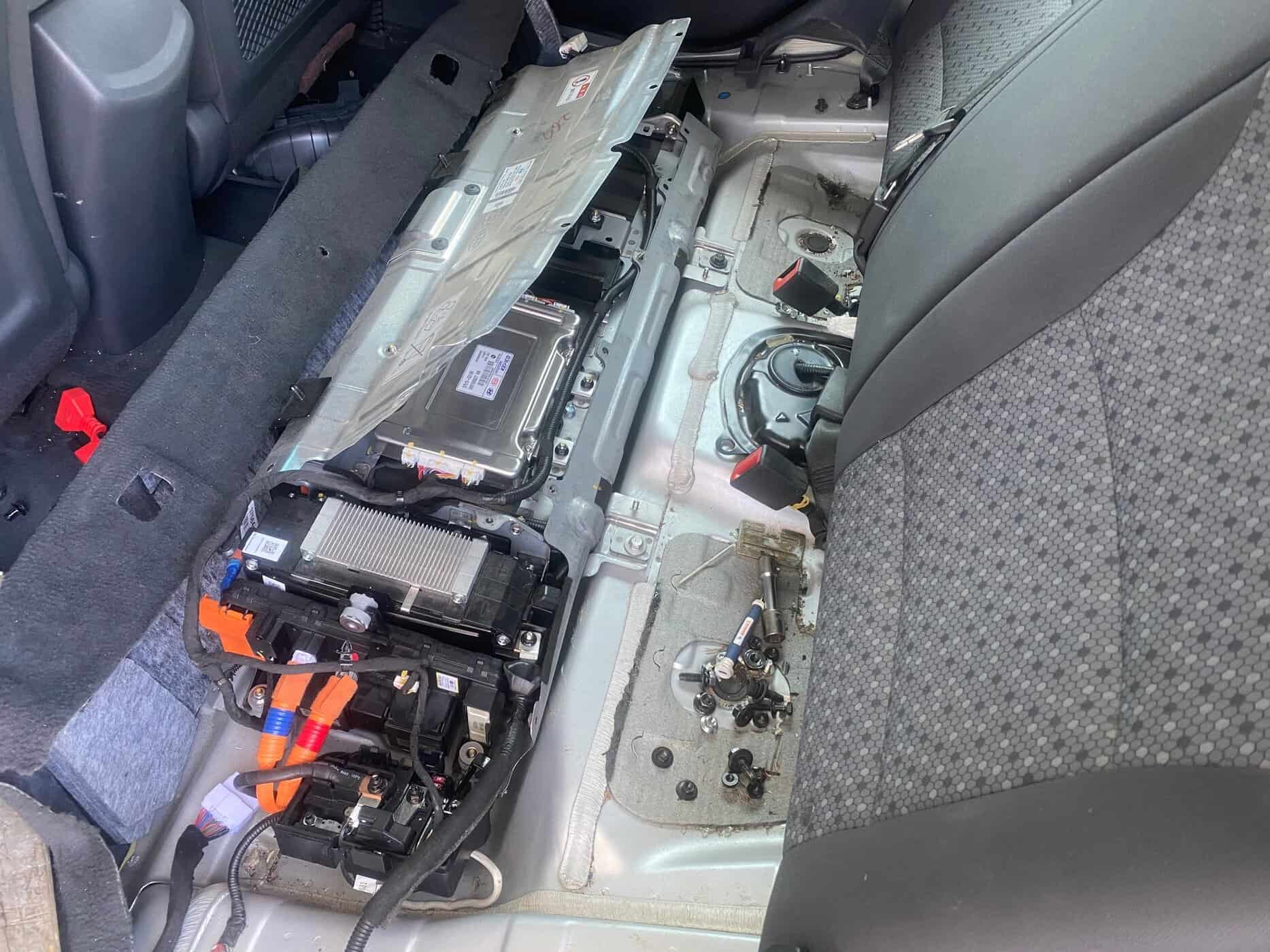
Dead Hybrid Mystery: Why This 2017 Hyundai Ioniq Wouldn’t Start
Contributed by:

Reviewed/Verified by:

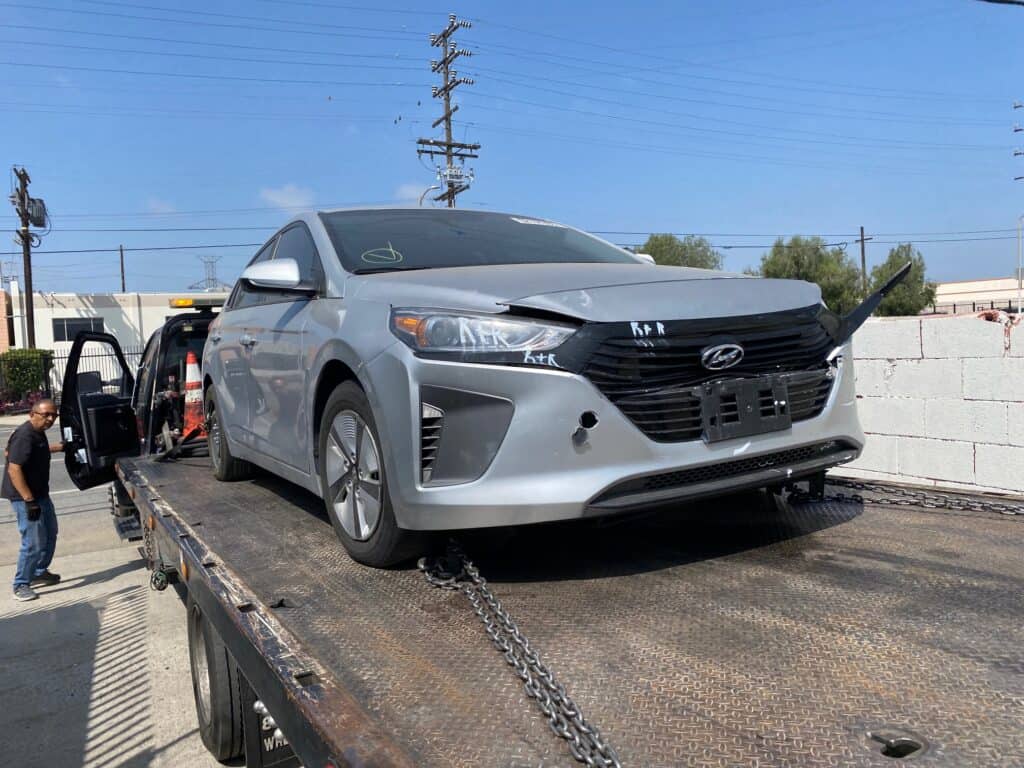
Our shop specializes in purchasing, repairing, and reselling salvage vehicles, including hybrids like the 2017 Hyundai Ioniq shown above, which we recently acquired from a salvage auction. Although the listing stated “engine start,” the vehicle arrived completely dead. After jump-starting the 12V system, we gained accessory power, but the engine would not turn over. With only 62 thousand miles on the car, this issue was strange.
Initial Diagnostic Steps and Wiring Inspection
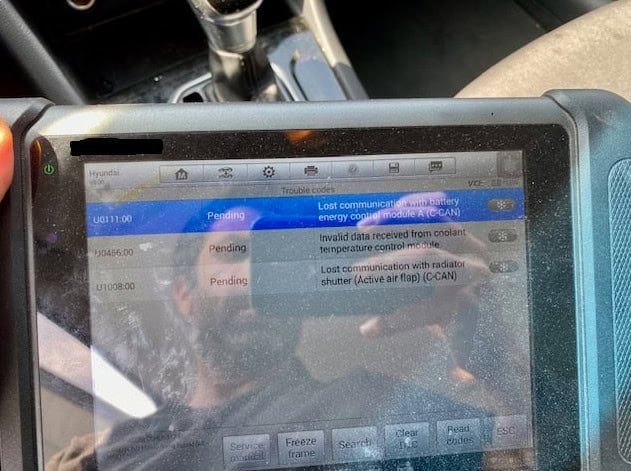
We started by running a full diagnostic scan and retrieved multiple fault codes. We then inspected all fuses, relays, and the visible wiring harness for damage. We found two damaged wires: one led to the radiator shutter assembly and the other near the left front ABS sensor, which we promptly repaired. The 12V battery, located within the high-voltage (HV) battery assembly, tested at an adequate voltage.
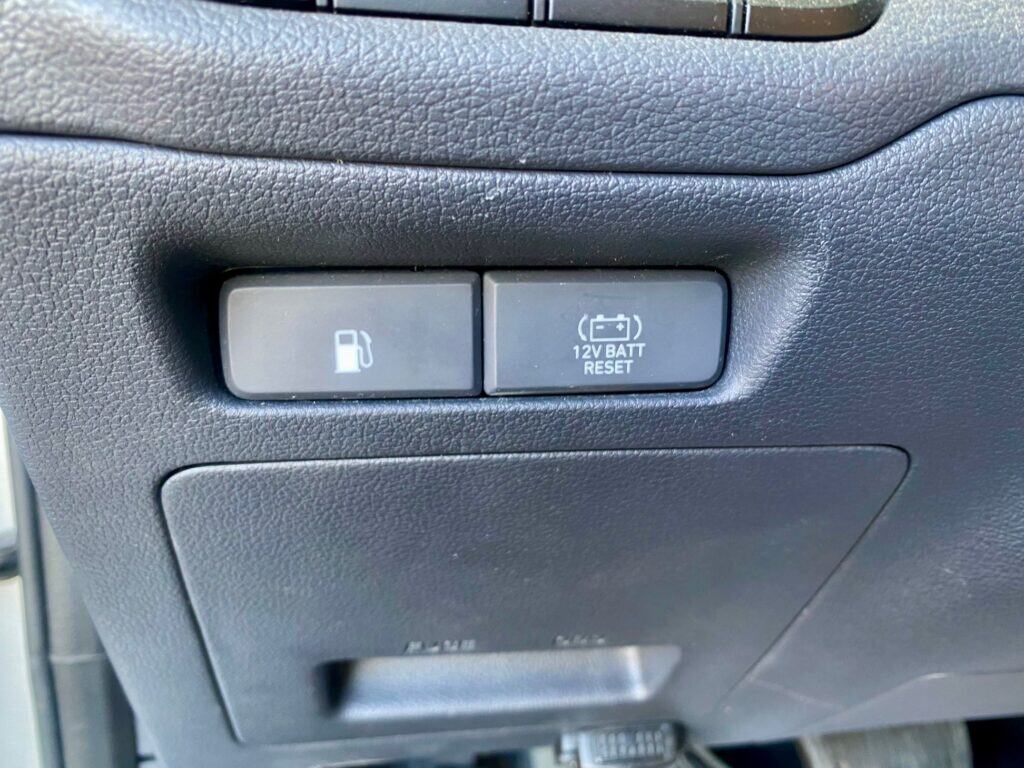
We performed multiple resets using the 12V battery reset button located below the steering wheel. Despite these efforts, the car still would not turn over. Next, we checked the HV Battery itself. Keep in mind, the car only has 62k miles and supposedly started at auction.

🔧 Stop paying the dealer for every warning light
Get dealer level diagnostics at home with the YOUCANIC Full System Scanner.
- ✔ Works with all makes and models, including most luxury brands
- ✔ Topology map view shows all vehicle modules on one screen for faster diagnostics
- ✔ Bi directional controls to test fans, pumps, actuators and more so you do not have to guess
- ✔ Special resets and calibrations such as ABS bleed, EPB service, battery registration and more
- ✔ Free lifetime updates with no recurring fees
Understanding the Role of the HV Battery in Hybrid Starting Systems
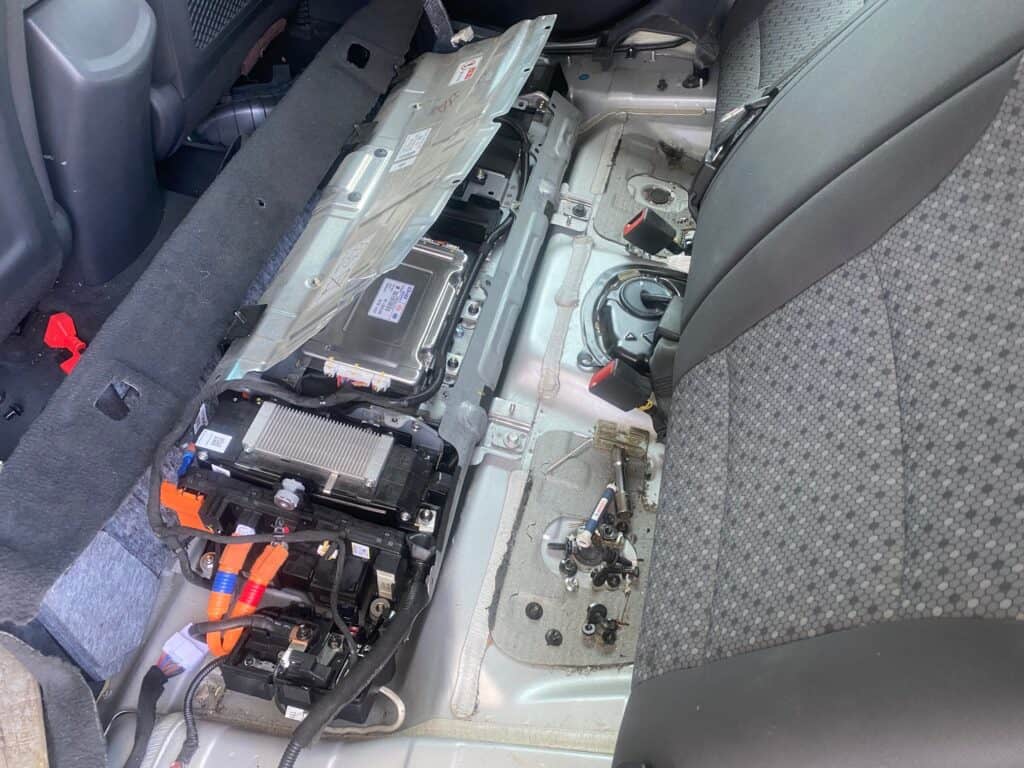
It turns out the vehicle had been sitting for an extended period between the auction’s initial “engine start” test and the actual sale date. The Hyundai Ioniq is a hybrid vehicle that uses a Hybrid Starter Generator (HSG). The HV battery is responsible for cranking the engine, unlike a Prius, where the gasoline engine has a conventional starter independent of the HV battery. While both systems can recharge the HV battery once running, the key difference is that the Ioniq cannot start at all if the charge on the HV battery is too low. In this case, the vehicle was completely inoperable, and the only solution was to replace the HV battery with a rebuilt unit. The takeaway: Never let Hyundai hybrids sit too long without being started.
Lessons Learned from This Hybrid Repair
This experience serves as a valuable reminder for anyone working with or purchasing hybrid vehicles, especially from salvage auctions. Just because a car is listed as “engine start” doesn’t mean it will when it arrives at your door. Always factor in transport delays and sitting time when evaluating a hybrid’s condition. HV batteries are not like traditional 12V systems—they degrade faster when left inactive, particularly in hot or cold climates.
Recommended Tools and Final Tips for Hybrid Diagnostics
For shops or DIYers tackling similar projects, it’s crucial to have access to a professional-grade scanner like the YOUCANIC full-system scanner that can communicate with hybrid modules and provide live data from the HV battery system. Without this, you’re working blind. Also, never underestimate the value of thorough wiring inspection—one bad ground or corroded pin can mimic major failure symptoms.
At our shop, each of these challenges helps us build deeper insight into hybrid systems, ultimately saving future customers time, money, and frustration.
Troubleshooting Steps: Hybrid No-Start (Hyundai Ioniq Example)
Initial Checks:
- Jump-start the 12V battery using an external power source.
- Check the dash lights and accessory power. If the cluster lights up but the engine doesn’t crank, continue the diagnosis.
Basic Electrical Inspection:
- Check all fuses and relays, especially those related to the hybrid, inverter, and fuel systems.
- Inspect visible wiring harnesses for damage, particularly near:
- Front left ABS sensor
- Radiator shutter assembly
- Test ground points. Insufficient grounds can prevent communication or start signals.
Battery & Module Evaluation:
- Test 12V battery voltage under load. It should hold 12.2–12.6 volts.
- Scan the HV battery system using a full-system scanner. Check for:
- Overall charge level
- Voltage imbalance between cells
- HV battery ECU communication faults
System Resets & Manual Attempts:
- Use the 12V battery reset switch located under the steering wheel (on Ioniq).
- Perform a system reset using the scanner or by disconnecting the 12V battery for 5–10 minutes.
Still No Start? Then Check:
- Confirm if the Hybrid Starter Generator (HSG) is engaging. If the HV battery is too low, it won’t crank.
- Review the HV battery state of charge (SOC). If it’s below the minimum threshold, the vehicle will not start.
- Check the operation of HV battery relays. Listen for relay clicks during a start attempt.
If All Else Fails:
- Replace or refurbish the HV battery pack, especially if the car has been sitting for weeks or months.
- Inspect the inverter and DC-DC converter. A failure in either can prevent HV-to-12V charging and cause no-start conditions.
Recommended Tools for Hybrid Diagnosis:
Battery tester (12V and HV-compatible) – to evaluate battery condition under load.
YOUCANIC full-system scanner – essential for reading hybrid modules and performing resets.
Multimeter – for voltage, continuity, and ground testing.