
Cadillac XT5 3.6L Misfire Diagnosis: Fixing Code P0300 & Check Engine Light
Contributed by:
Reviewed/Verified by:

While test-driving a 2019 Cadillac XT5 3.6L, I noticed the SES light was on and the vehicle was misfiring under loads in a higher gear, anywhere from 1500 to 3000 RPM. I also noticed that the traction control and ABS warning lights would come on, and the vehicle would go into limp mode.

After connecting a scan tool and checking for fault codes, I found the code, P0300, signalling multiple random misfires in the Powertrain Control Module (PCM).
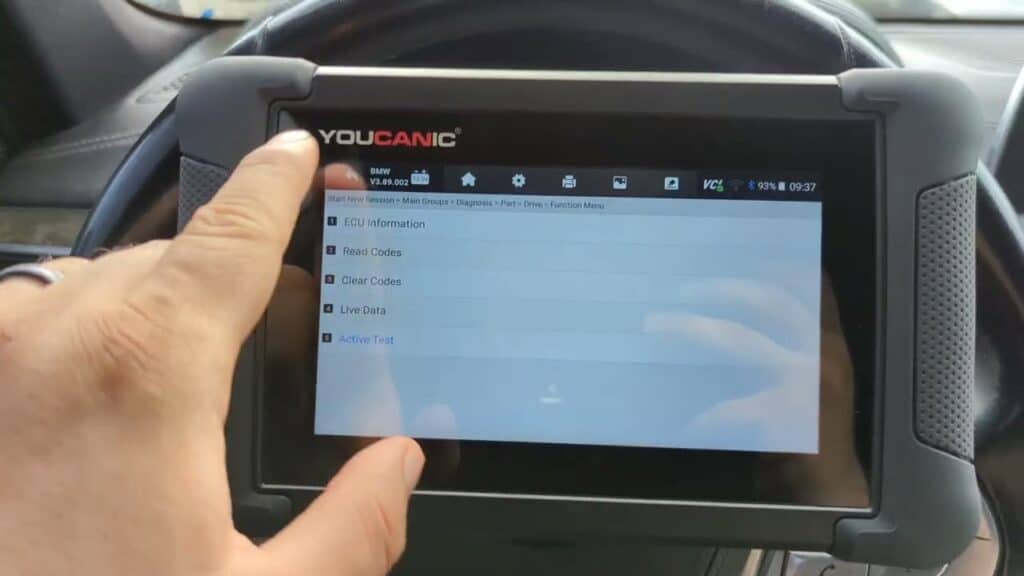
I also found the code U0401 stored in the transmission control module (TCM) and electronic brake control module (EBCM) for incorrect communication from the PCM. The communication codes are set because the vehicle is in limp mode and do not address misfiring issues.

🔧 Stop paying the dealer for every warning light
Get dealer level diagnostics at home with the YOUCANIC Full System Scanner.
- ✔ Works with all makes and models, including most luxury brands
- ✔ Topology map view shows all vehicle modules on one screen for faster diagnostics
- ✔ Bi directional controls to test fans, pumps, actuators and more so you do not have to guess
- ✔ Special resets and calibrations such as ABS bleed, EPB service, battery registration and more
- ✔ Free lifetime updates with no recurring fees

These codes are set as normal operation due to engine performance concerns. With the scan tool, I was able to access engine data and monitor the misfire graph, and I found that cylinder #4 consistently registered misfire when the concern was present.
Accessing Cylinder 4: Spark Plug & Coil Inspection
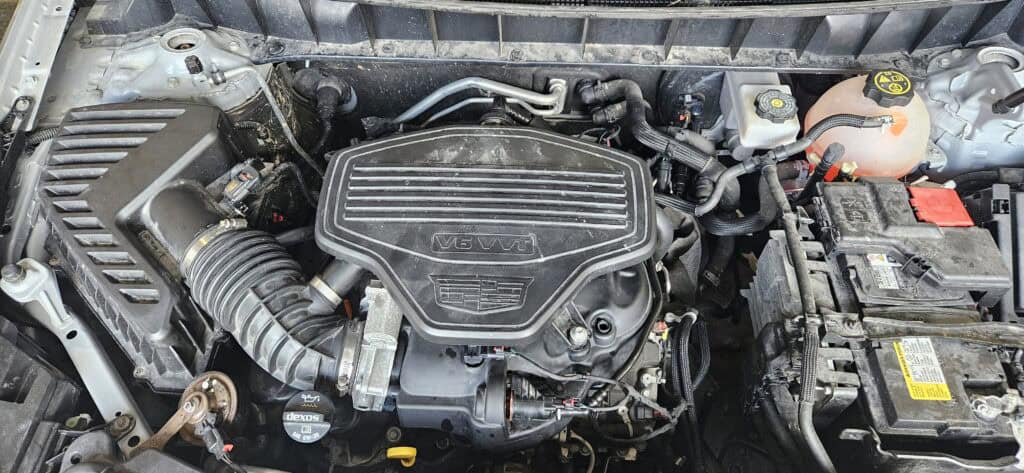
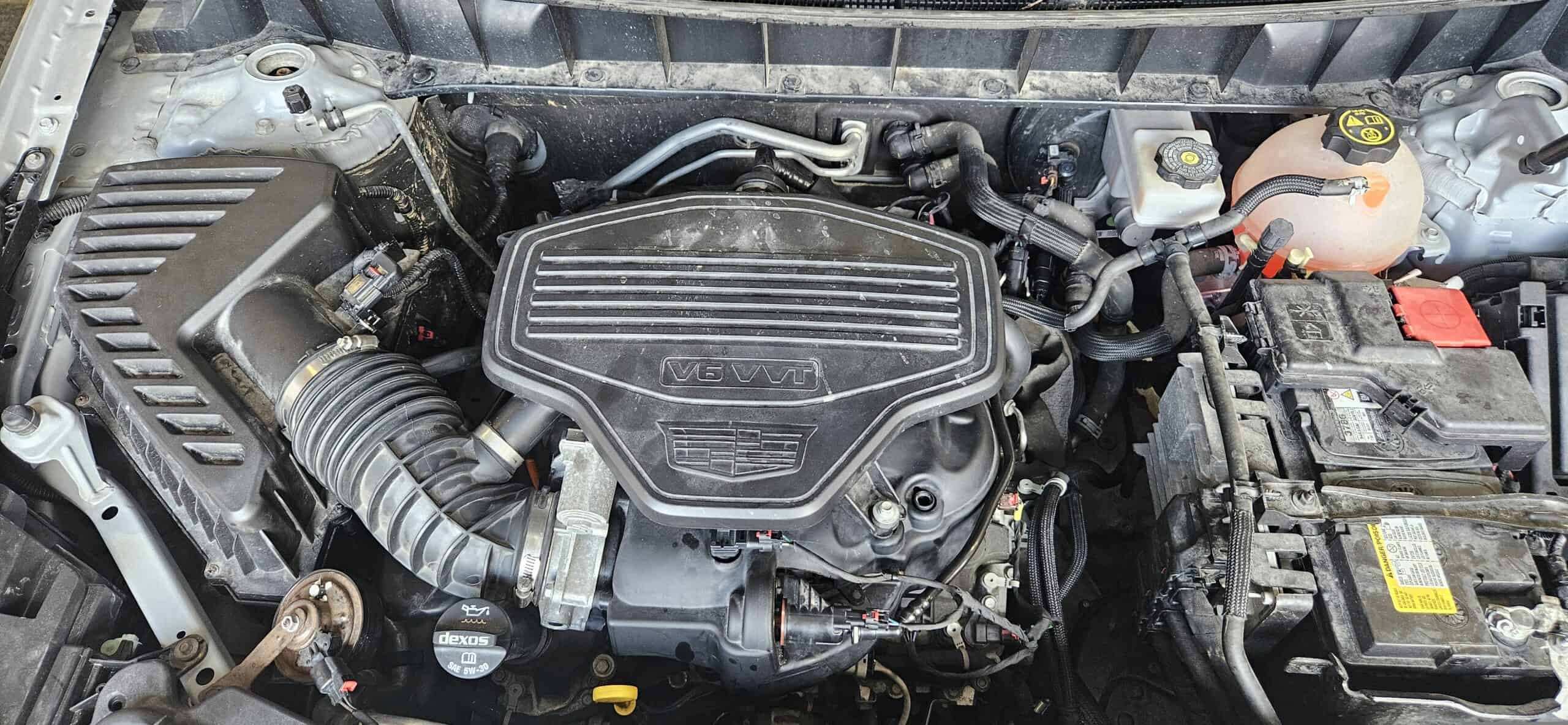
I began the diagnosis by gaining access to the #4 cylinder. On this vehicle, cylinder four is on the side closest to the radiator. As you stand in front of the car looking at the engine, the cylinder order from left to right is 2,4,6. The head closest to the firewall, ordered from left to right, is 1,3,5.
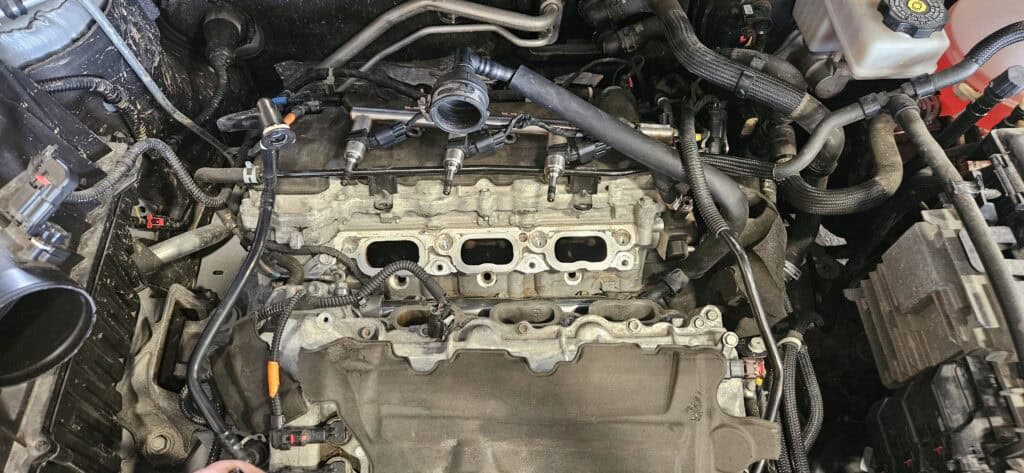
The upper intake manifold needs to be removed in this vehicle in order to access the ignition coils and spark plugs.
Inspecting for Carbon Buildup in Valves
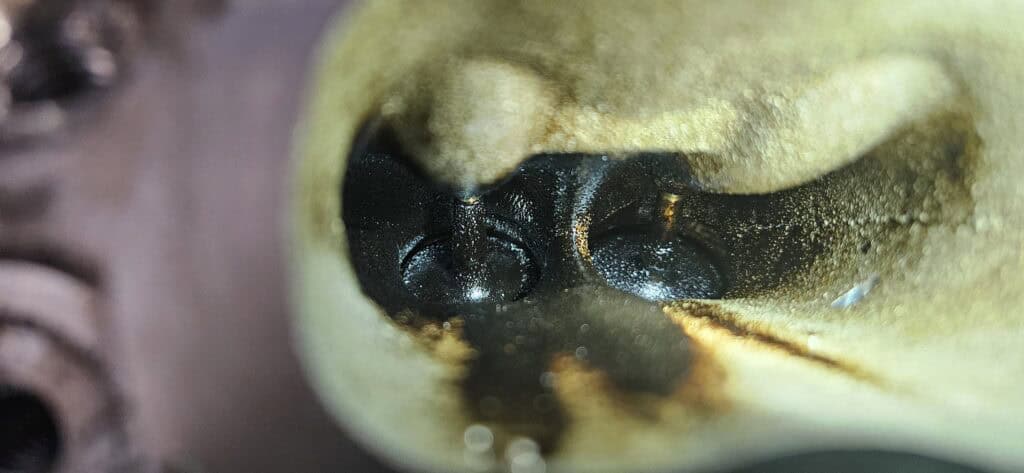
Once you have accessed the ignition coils, inspect the valves by looking into the intake runners. In this vehicle, the intake and exhaust valves had excessive carbon buildup on the valve stems.
I removed the spark plug and coil pack from misfiring cylinder four and swapped them with the plug and coil from a non-misfiring cylinder, in this case, cylinder 2. I reinstalled the intake manifold and performed an upper engine clean using top-end engine cleaner and a pressurized induction tool to clean the carbon from the top of the piston and valve stems.
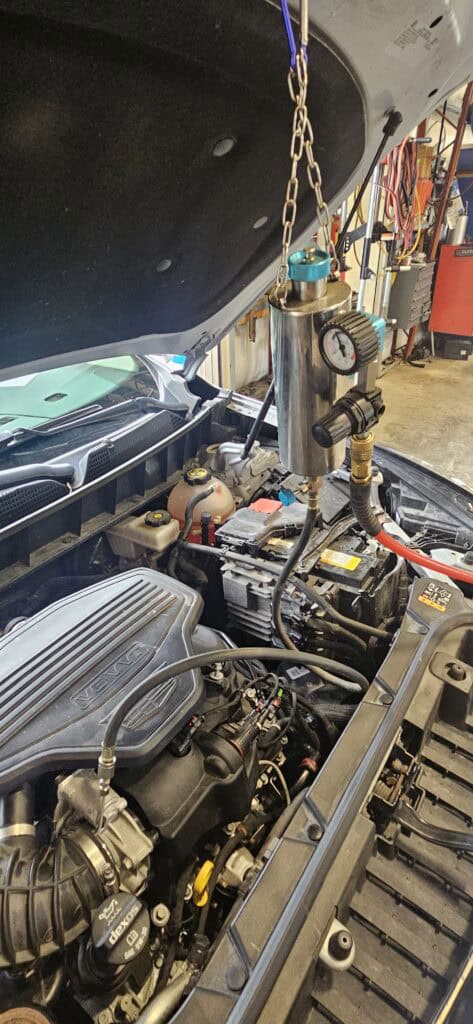
Live Data Test Drive & Misfire Graph Results

After cleaning the engine, we test drove the vehicle with the scan tool connected to monitor live data. Again, we monitored the misfire graph in the engine data for misfires. We found the misfire was still present in cylinder #4. If the misfire had moved to cylinder #2, the solution would have been simple: replace the bad coil.
Compression and Injector Testing: Finding the Faulty Component
The next step was to perform a cylinder compression test on cylinder 4. The compression test revealed 178 psi, which is within acceptable limits, indicating no mechanical concerns in the engine.
We then performed a cylinder balance test with the scan tool, which involved killing fuel injectors one by one. Upon completion, we noticed that injector four did not have the same RPM drop as all other cylinders, indicating a possible injector problem. A test light was then installed in place of injector 4. Another cylinder balance test was performed, and the no-idle light was observed to be flashing, indicating proper injector pulse from the PCM.
At this time, we suspect a clogged or faulty injector in cylinder 4. To verify the concern, we swapped injector 4 with a non-misfiring injector, number 2. The intake manifold was reinstalled, and another test drive was performed. This time, we found the misfire had moved from cylinder 4 to cylinder 2, indicating that the injector for cylinder 4 is faulty. We replaced the defective injector, cleared the codes, and test drove the vehicle, and this time we found no check engine light or codes set.
Injector Seal Replacement: Crucial for Direct Injection Engines
With the design of the direct injection engine, when the fuel rail and fuel injector are removed, the injector tip seals will need to be replaced due to seal damage upon removal. Failure to replace injector seals may cause drivability issues in the future. The injector tip seals require sizing prior to installation.
Damaged vs. New Injector Seals: What to Look For
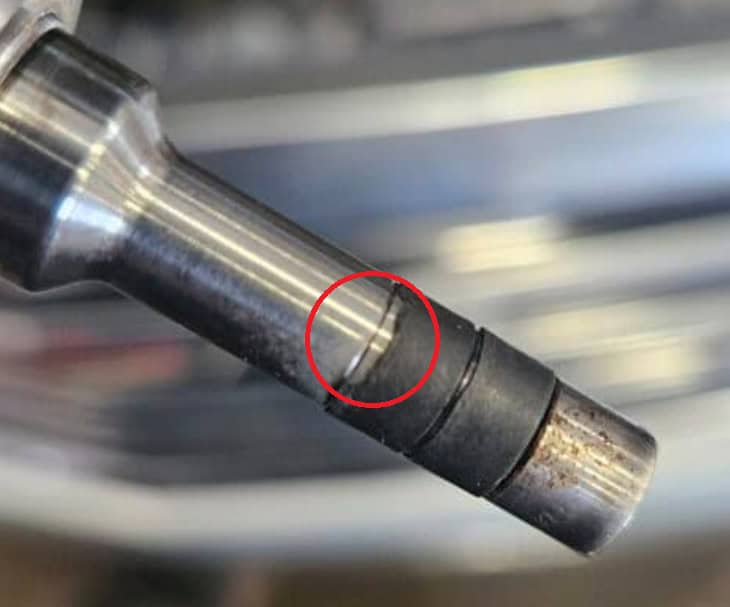
The picture above shows the seals used; take notice of the upper seal being damaged.
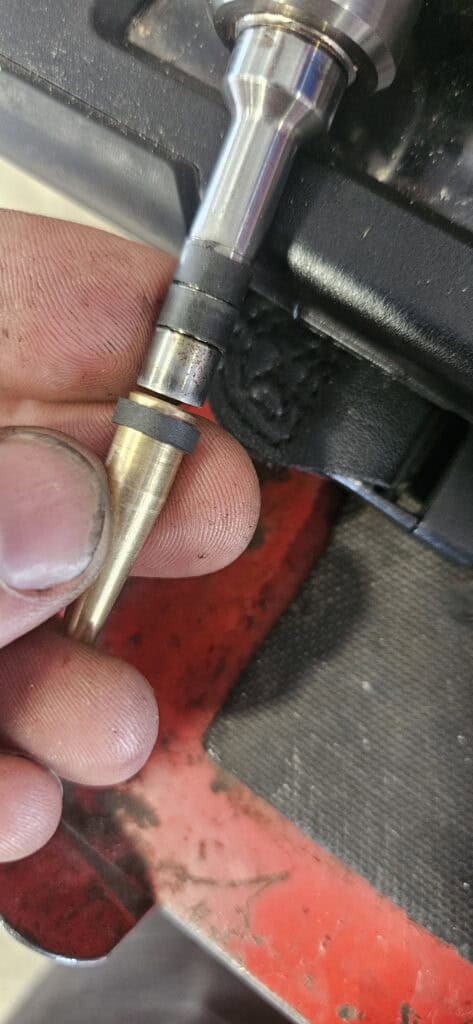
The picture above shows the new seals and tools used to install the seals.
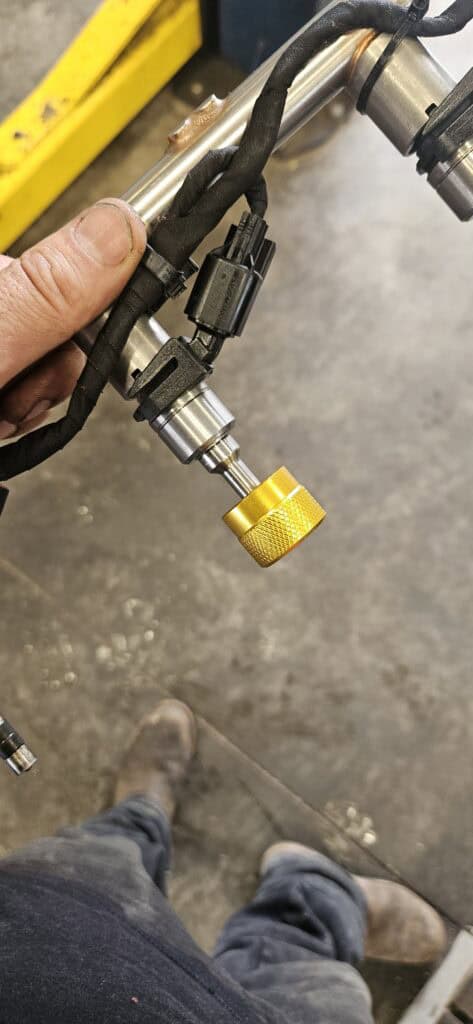
This picture shows the seal sizing tool. If sizing is not performed, damage to seals will occur upon installation.
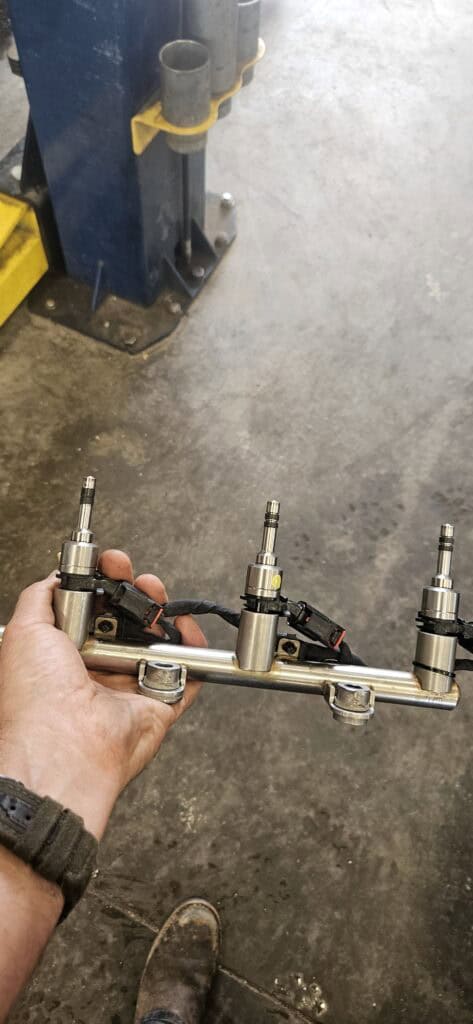
The picture shows the fuel rail and injectors prior to the injector and seal replacement.
Cadillac XT5 Misfire Diagnostic Checklist (P0300 Code, 3.6L Engine)
✅ Read DTCs with Full-System Scanner
A bi-directional OBD2 scan tool pulls PCM, TCM, and EBCM codes.
- Look for P0300 (Random/Multiple Cylinder Misfire)
- Look for U0401 (Invalid Data Received from PCM) in other modules
✅ Analyze Cylinder Misfire Counts (Live Data)
- Navigate to the misfire counters or the misfire history on your scan tool
- Monitor real-time data at 1500–3000 RPM under load
- Misfire in cylinder #4 is common on 3.6L if the injectors are dirty
✅ Swap Ignition Components
- Move the spark plug and ignition coil from the misfiring cylinder to a known good one (e.g., swap cylinder 4 with 2)
- Re-check misfire location — if it moves, replace the failed coil or plug
✅ Inspect for Carbon Buildup (DI Engines)
- Remove the upper intake manifold
- Use a borescope or visual inspection through the runners
- Look for heavy carbon on intake valves, standard on direct-injection 3.6L V6 engines
✅ Perform Top-End Engine Clean
- Use a pressurized induction cleaning tool + top-end cleaner (e.g., GM Top Engine Cleaner or CRC Intake Valve Cleaner)
- Focus on decarbonizing valve stems and piston crowns
✅ Run Cylinder Compression Test
- Typical range: 170–190 psi for the 3.6L V6
- If cylinder 4 = 178 psi, the mechanical condition is OK
- Compression <150 psi suggests valve or piston ring issues
✅ Cylinder Balance Test (Fuel Cut Test)
- Disable each injector individually using the scan tool
- Note the RPM drop for each cylinder
- Little/no RPM change = suspect fuel injector or circuit
✅ Test Injector Signal with Noid Light
- Unplug suspect injector (#4), insert noid light
- Crank engine — if light flashes, PCM is delivering pulse
✅ Swap Suspected Fuel Injector
- Move the injector from cylinder 4 to cylinder 2
- If a misfire follows the injector, replace it
- Use OEM or OE-equivalent injectors for the Cadillac 3.6L
✅ Replace Injector Tip Seals (Required)
- Use the GM seal kit + sizing tool to avoid drivability issues
- Improperly seated seals can cause fuel leaks, misfires, or lean codes
✅ Clear DTCs and Road Test with Scanner
- Monitor STFT, LTFT, misfire data, and O2 sensor response
- Ensure no pending codes or CEL return after extended test drive


My mechanic charges $180/hr. Given the description of the diagnosis, It would be nice to know how long it too to actually find the problem. My approach would have been to immediately replace the #4Cyl components, plugs,injectors, et.al. The carbon build up usually comes from buying cheap gas at a stripmall gas station instead of gas with additives like Shell gas etc.