
Get Sprinter Savvy: Read / Erase / Clear All Fault Codes Like a Pro
Sprinter vans, known for their versatility and dependability, have become a staple in the commercial vehicle industry. However, even the most robust Sprinter vans with the OM642 engine can experience issues, especially with the Diesel system, and that’s where Diagnostic Trouble Codes (DTCs) come in. These alphanumeric codes, typically displayed on the dashboard or accessible through an OBD-II scanner, act as a universal language for technicians to diagnose and repair issues in Sprinter vans. Most Sprinters now have an OBD-II port for easier diagnosis and repair.
DTC, or Diagnostic Trouble Code, is the automotive way of communicating underlying issues in your vehicle. These codes are like Morse code; your Sprinter’s onboard computer warns you through your dashboard with a Check Engine Light or any warning light to alert you of potential problems. Now, almost a hundred warning lights can illuminate your dashboard; these include ABS, Engine Start Not Possible – Starts Remaining, SRS, transmission, oil pressure, battery charging, differential, traction control, and many more. They seem overwhelming, but how will we get the codes and interpret them? We’ll have to use an OBD-II scanner like our YOUCANIC Scanner, which is available for purchase.
Can I fix a Sprinter van myslef?
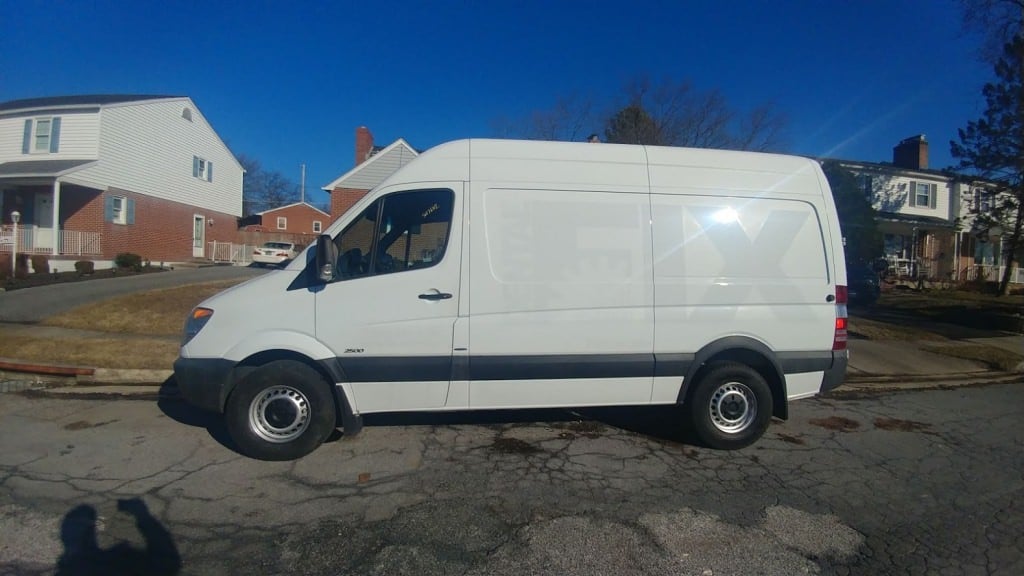
Whether to tackle fault codes yourself or seek professional assistance depends on your mechanical aptitude and the issue’s complexity. If you’re a seasoned DIY enthusiast with a well-stocked toolbox, you might be able to handle many issues. However, for more intricate problems, it’s wise to entrust your Sprinter to the expertise of authorized Sprinter technicians. The problem is that few mechanics know how to work on Sprinters, and sometimes, you may know even more than the average mechanic about your Sprinter.

🔧 Stop paying the dealer for every warning light
Get dealer level diagnostics at home with the YOUCANIC Full System Scanner.
- ✔ Works with all makes and models, including most luxury brands
- ✔ Topology map view shows all vehicle modules on one screen for faster diagnostics
- ✔ Bi directional controls to test fans, pumps, actuators and more so you do not have to guess
- ✔ Special resets and calibrations such as ABS bleed, EPB service, battery registration and more
- ✔ Free lifetime updates with no recurring fees
How to Read and Clear Sprinter Fault Codes

OBD stands for “On-Board Diagnostic”. Most modern vehicles now include an OBD port, which can be utilized by a scanner that communicates to your vehicle. It is plugged into the socket by an OBD-II scanner, designed to help automotive technicians interpret faults and other issues that your Sprinter may be experiencing or have recorded. Here are the steps on how to read DTCs or Fault codes:
- Gather the necessary tools: Equip yourself with a Professional-Grade OBD-II Scanner compatible with your Sprinter. See our Professional-Grade YOUCANIC Scanner

- Access the OBD-II Port: This port is usually found under the dashboard, near the steering column; the OBD-II port is the gateway to your vehicle’s diagnostic information. Turn the ignition key to the “ON” position without starting the engine to make a connection with the vehicle’s computer. If your Sprinter has a START/STOP feature, press the button without pressing the brake pedal. Do not start the engine. If you are unsure of the OBD-II port of your vehicle, you can always check the Owner’s Manual.

- Access the Diagnostic Menu: On the YOUCANIC scanner’s display, navigate to the “Diagnostic” or “Scan” menu. This menu allows you to access various diagnostic functions for your Sprinter.

- Select ‘SPRINTER’ as the Vehicle Make: This ensures the scanner effectively communicates with the Sprinter On-Board Diagnostic system and effectively scans the fault codes. Do not select Mercedes-Benz from the list; choose Sprinter instead.
- Select option for model selection: The scanner has various options; you can choose SmartVIN to detect your vehicle automatically. However, you choose Manual Selection if SmartVIN does not work as intended.
- Select the Specific Model and Chassis: After selecting the vehicle make, scroll through the available models and select the correct one for your Sprinter. Choose the corresponding chassis or body type to sync the scanner to your vehicle properly.

- Select Control Units: Once you have selected the model and chassis, the scanner will let you choose between “Quick scan” or “Control Modules”. Control Modules display a list of control units or modules in your vehicle. Examples include the engine control module (ECM), transmission control module (TCM), and ABS control module. Choose the specific module you want to diagnose. Otherwise, you can also choose the “Quick Scan” to check everything.
- Interpret the Codes: Once the YOUCANIC scanner completes the code retrieval process, the displayed codes will provide information about specific issues detected by the control unit. Take note of these codes for further analysis and diagnosis. Each DTC consists of a letter and four numbers. The letter indicates the system affected, while the numbers describe the issue more specifically. Click here to learn more about fault codes.
- Erase Codes: After the problem has been repaired, return to the scanner’s menu and select the option to “Erase Codes” or “Clear Codes.” This action removes the stored fault codes from the control unit’s memory, indicating that the problem has been resolved. Please note that you may or may not erase a code when the issue is not fixed.
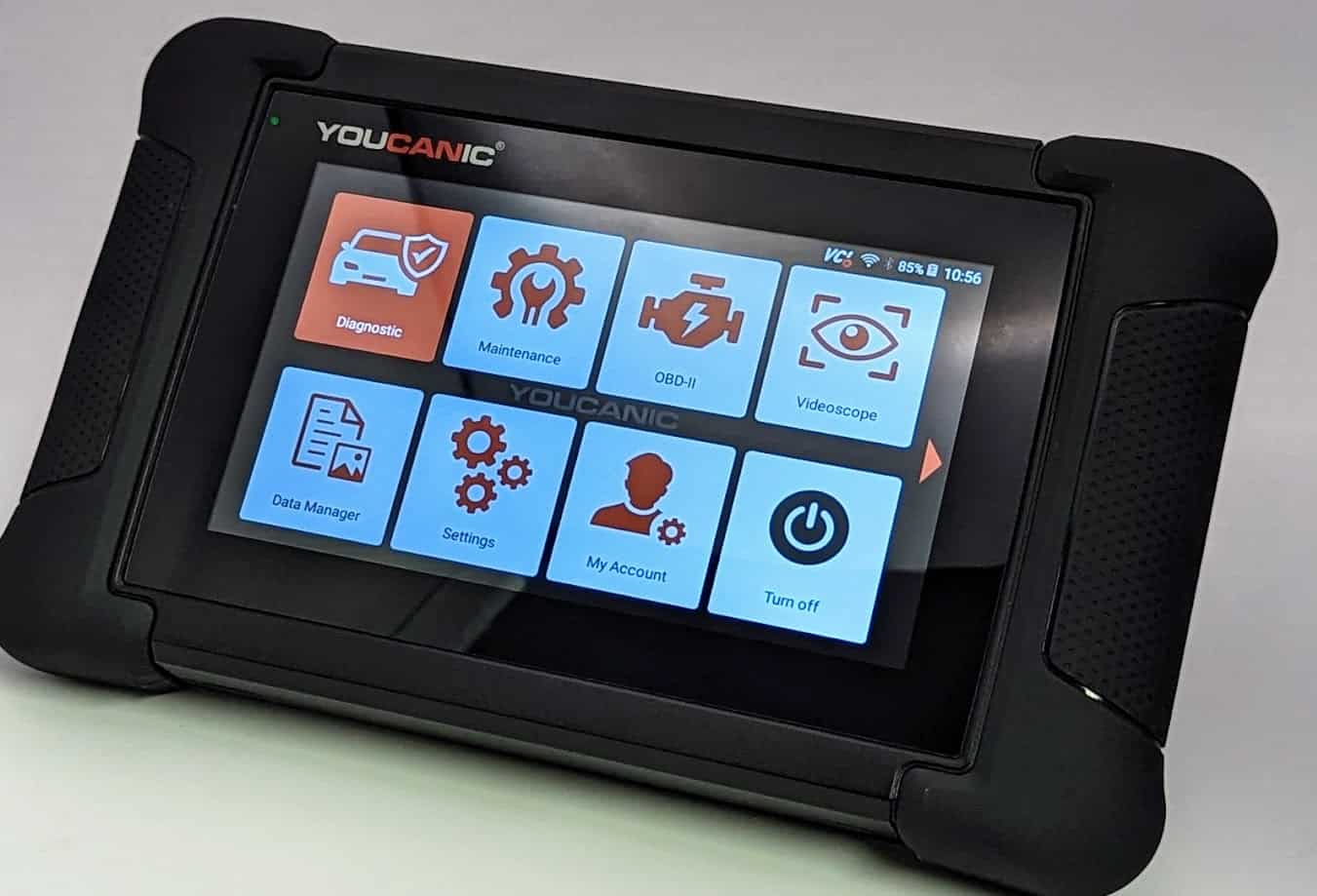
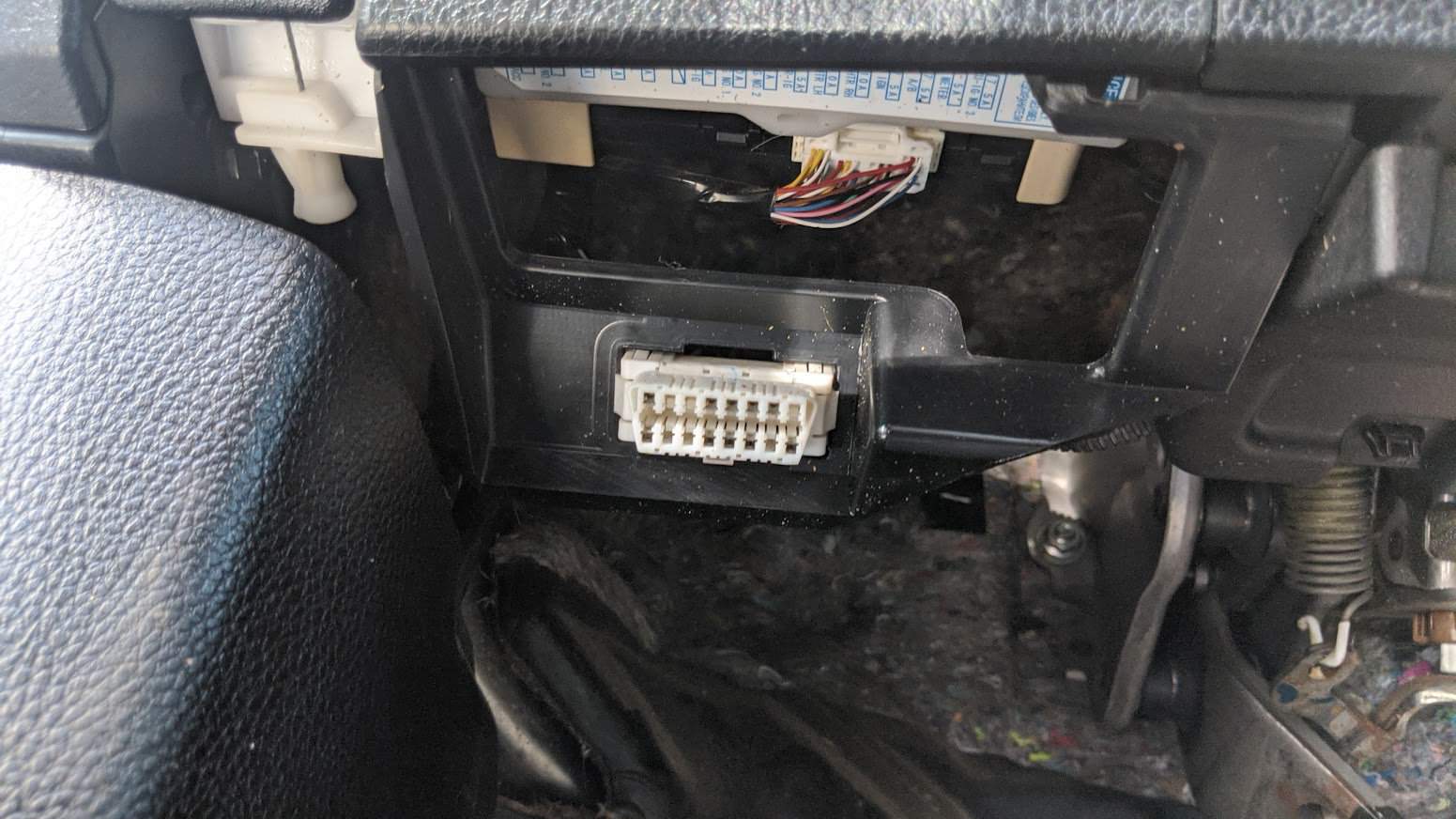


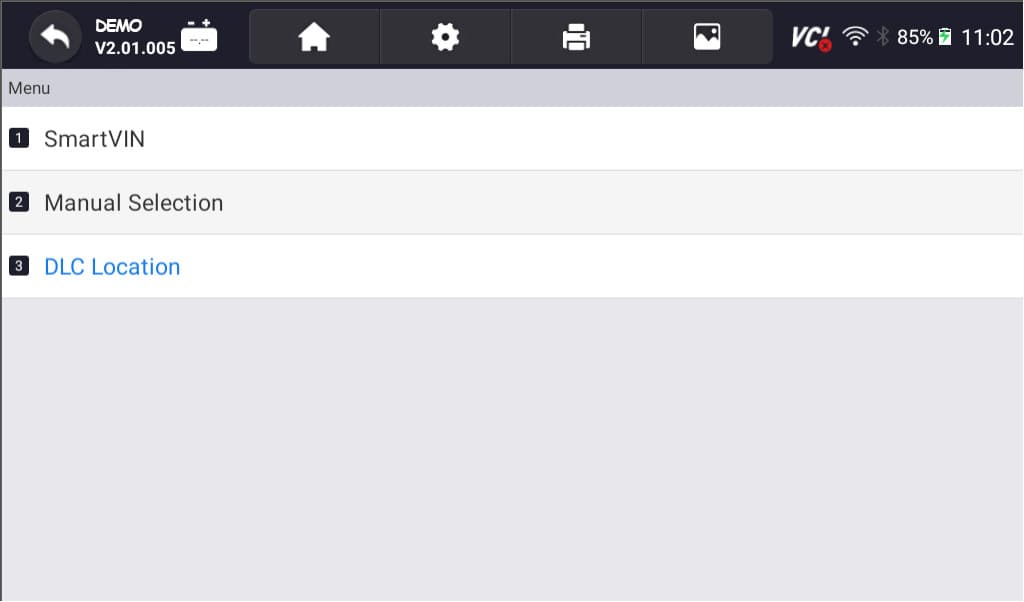


NOTE: These pictures are just the demo of our YOUCANIC Scanner. It may or may not be the same, but the procedure is similar.
Why read fault codes?
A good scanner allows you to read fault codes from all systems. Without a good scanner, you will only have a generic warning message or light on the dashboard. Here are some common lights and messages on a Sprinter that you can use the scanner to figure out what is wrong.

Like many modern vehicles, Sprinter is equipped with a range of warning lights on its dashboard. These lights are designed to alert the driver to various issues or malfunctions within the vehicle. Some of the most common warning lights that may come up on a Sprinter van include:
- Check Engine Light: This light indicates various issues, from minor ones like a loose gas cap to more serious ones like engine malfunctions.
- Oil Warning Light: This light warns of low oil pressure, which could indicate a need for oil top-up or a more serious engine issue.
- Brake Warning Light: This may indicate that the handbrake is on, there is low brake fluid, or there is a problem with the brake system.
- ABS (Anti-lock Braking System) Light: This light comes on if there is a problem with the anti-lock braking system.
- DPF (Diesel Particulate Filter) Light: For diesel Sprinters, this light indicates issues with the DPF, such as needing regeneration due to clogging.
- AdBlue Warning Light: This light indicates that the AdBlue fluid level is low. AdBlue is used in diesel engines to reduce emissions.
- Battery/Charging Warning Light: This signifies an issue with the vehicle’s electrical system, often related to the battery or alternator.
- Tire Pressure Warning Light: This light indicates that one or more tires are significantly under-inflated.
- Airbag Warning Light: This light suggests a problem with one or more of the van’s airbags or the airbag system in general.
- Temperature Warning Light: This indicates that the engine is overheating, possibly due to various issues like a malfunctioning radiator or low coolant levels.
Drivers need to address these warnings promptly, as they can indicate critical issues that may affect the safety and functionality of the vehicle.
Common Sprinter Fault Codes
The most common fault codes that we see on Sprinter vans include:
- P0299: Turbo/Super Charger Underboost. This code suggests that the turbocharger or supercharger is not providing enough boost, which can lead to reduced engine power.
- P20BD: Reductant Heater ‘B’ Control Circuit/Open. This code is related to the AdBlue system (used in diesel models for emissions control) and indicates an issue with the AdBlue heater.
- P0671 to P0676: Cylinder Glow Plug Circuit. These codes indicate issues with the glow plugs in various cylinders, which are crucial for starting diesel engines in cold conditions.
- P242F: Diesel Particulate Filter (DPF) Restriction – Ash Accumulation. This indicates that the DPF has accumulated too much ash and likely requires cleaning or replacement.
- P2006: Intake Manifold Runner Control Stuck Closed Bank 1. This code suggests a problem with the intake manifold runner control system.
- P0401: Exhaust Gas Recirculation (EGR) Flow Insufficient. This indicates an issue with the EGR system, which is crucial for reducing NOx emissions.
- P0301 to P0306: Cylinder Misfire Detected. These codes signify misfires in individual cylinders, which can lead to engine performance issues.
- P0162 to P0167: O2 Sensor Circuit Malfunction (Bank 2 Sensor 3). These codes indicate problems with the oxygen sensors, affecting fuel efficiency and emissions.
- P2138: Throttle/Pedal Position Sensor/Switch ‘D’/’E’ Voltage Correlation. This code suggests a problem with the throttle position sensor or its circuit.
- P2187: System Too Lean at Idle (Bank 1). This indicates that the fuel/air mixture in the engine is too lean, which could be due to various factors like vacuum leaks or issues with the fuel system.
Why can’t I clear the error codes of my SPRINTER?

Once you’ve identified the DTCs, you may be tempted to clear them, hoping to continue driving your Sprinter, and the problem magically disappears. While clearing the codes can temporarily remove the “Check Engine” light, it doesn’t address the underlying issue. It will always come back. Here are also some lists of why you cannot clear the codes of your Sprinter:
- Use a Professional-Grade Scanner: Ditch the generic scanner and upgrade to a professional-grade scanner like YOUCANIC. Generic scanners are like trying to open a Ferrari with a Ford key—it won’t work! YOUCANIC, on the other hand, is like the master key to your Sprinter’s diagnostics, unlocking hidden diagnostic powers and letting you clear codes that would otherwise remain stubborn and hidden.
- Underlying Issues: Before clearing fault codes, remember to address the underlying issue that triggered them in the first place. Clearing codes is like patching a leaky pipe without fixing the cracked valve – it’s just a temporary fix. The ‘check engine’ light will surely come back and haunt you.
- Continuous Fault Monitoring: Like the SRS system, certain fault codes may be cleared by disconnecting the battery (like a reset). However, they will reappear even after clearing until the root cause is resolved. This is a persistent reminder to fix the problem, not just mask it.
- Proper Clearing Procedure: Following the correct steps outlined in your diagnostic scanner’s user manual is essential to clear fault codes effectively. If unsure about the clearing procedure, consult a professional for guidance specific to your scanner and Sprinter model.
Check our professional-grade YOUCANIC scanner here:
Will these instructions work on other Sprinter-based vans?
Yes.
Initially produced by the Mercedes-Benz platform, the Sprinter van has been used as the basis for several other vans through rebadging or as the foundation for custom conversions. Some of the notable vans built on the Sprinter platform include:
- Freightliner Sprinter: A rebadged version of the Mercedes-Benz Sprinter, marketed primarily in North America. It’s often used for commercial purposes.
- Dodge Sprinter: Before the rebranding of DaimlerChrysler commercial vehicles under the Mercedes name in North America, the Sprinter was sold as the Dodge Sprinter, catering to the same markets as the Mercedes and Freightliner versions.
- Volkswagen Crafter: The first generation of the Crafter, produced until 2016, was developed in collaboration with Mercedes-Benz and was largely based on the Sprinter platform. However, the latest Crafter models are now built on a Volkswagen platform.
- Custom Conversion Vans: Numerous companies specialize in converting Sprinter vans into custom vehicles for various uses, including luxury passenger transport, recreational vehicles (RVs), and specialty commercial vehicles such as Winnebago, Airstream, Roadtrek, Pleasure Way, and Advance RV.
Ignoring the Fault Codes: A Recipe for Disaster
Turning a blind eye to DTCs is like ignoring those nagging reminders from your doctor. It might seem harmless in the short term, but ignoring these warning signs can lead to a cascade of problems, potentially causing significant damage to your Sprinter’s delicate systems, especially if you have issues with the AdBlue, which could lead to the DPF filter clogging and causing more expensive repairs the road.
Check our article here if you want to know what is the best OBD-II for DIY Enthusiasts: Best OBD2 Scanner For DIY Auto Repair – YOUCANIC
Frequently Asked Questions:
What are DTCs?
DTCs, or Diagnostic Trouble Codes, are alphanumeric codes that your Sprinter’s computer stores when it detects a problem,
What happens when I ignore fault codes?
Ignoring fault codes can lead to several problems, including further damage to your vehicle, increased emissions, and failure to pass emissions testing.
Can I scan my Sprinter on my own?
Yes, you can scan your vehicle using a professional-grade scanner. It is ideal to know at least how to read codes so you can diagnose them in case of emergencies. If the issue is more complex, consult an authorized Sprinter technician.
References:
- The Drive – What Is an OBD2 Scanner and How Does It Work?
https://www.thedrive.com/guides-and-gear/what-is-an-obd2-scanner-how-does-it-work - DTC Fault Codes – YOUCANIC
https://www.youcanic.com/fault-codes/ - Consumer Reports – What Does the Check Engine Light Look Like, and What Does It Mean?
https://www.consumerreports.org/cars/car-repair-maintenance/what-does-check-engine-light-mean-a2041364753