
Misfire All Cylinders on One Side of Engine | Bank 1 or 2
Reviewed/Verified by:

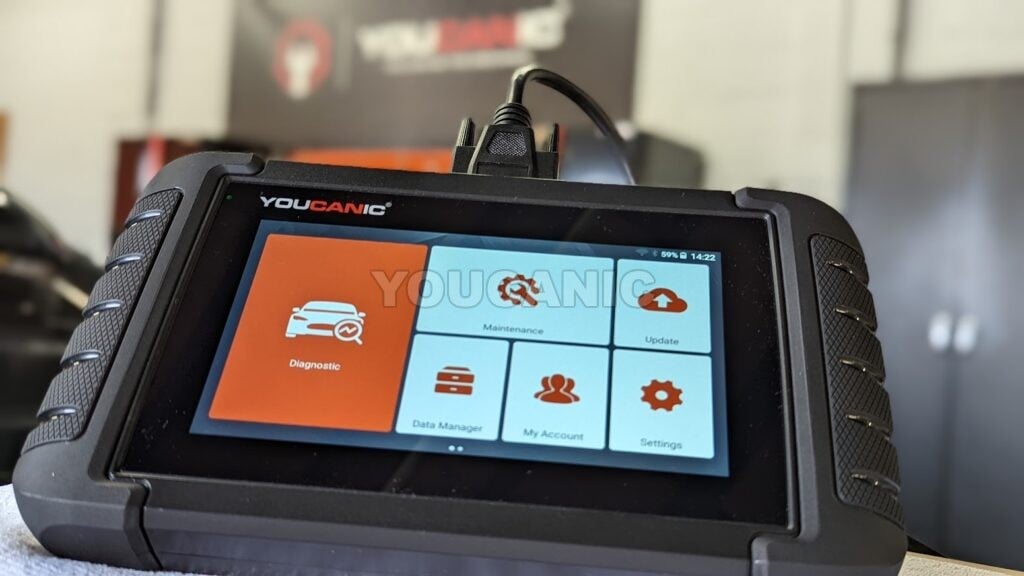
Your check engine light is on, and the scan shows misfire codes for several cylinders that all sit on the same side (bank) of a V6 or V8, for example P0301, P0303 and P0305, sometimes with a random misfire code P0300. When misfires stay on one bank, look for something that bank shares rather than replacing every plug and coil. The YOUCANIC UCAN-II Pro can read and clear fault codes in the control modules of supported vehicles.
At a Glance
- Misfires on one bank point to something that bank shares, not every plug and coil.
- Check fuel trims: P0171 or P0174 means a lean bank, often a vacuum leak on that side.
- Cam timing codes (P0016 to P0019) point to VVT or chain problems on that bank.
- Swap a coil between banks to see whether the misfire follows it.
- After a plug or coil job, make sure no connectors were swapped.
- A scanner such as the YOUCANIC UCAN-II Pro shows misfire counts per cylinder, fuel trims and cam timing live data, which pinpoints a one bank problem fast on supported models.
This article examines common problems that can cause misfire codes on only one block. Before diving into this topic, it is essential to point out that if you have this problem after changing the spark plugs or ignition coils, ensure that the spark plug wires and ignition coil harnesses are not switched around.
What can cause a misfire on one bank or side of the engine?
Catalytic Converter
A clogged catalytic converter can cause misfire codes on one side of the engine. This issue only applies to vehicles with two catalytic converters and one catalytic converter for each bank.

🔧 Find out what is actually wrong before you pay someone to guess
Dealer level diagnostics at home with the YOUCANIC UCAN-II Pro.
- ✔ Covers most makes and models, including many luxury brands. Send us your VIN and we will confirm your car before you order
- ✔ Reads every module, not just the engine, so you find the faults a basic reader says are not there
- ✔ Commands the car: test a fan or pump, bleed ABS, retract an electronic parking brake, register a battery
- ✔ No subscriptions. Free lifetime updates, so the price you pay is the whole price
- ✔ Backed by real mechanics in the USA you can email before and after you buy
Featured in The Wall Street Journal

A catalytic converter that is completely or partially clogged will restrict the exhaust gases. Because the exhaust cannot escape the cylinder, it builds excessive pressure, and that cylinder will not fire properly. Each catalytic converter is connected to all the cylinders on one side; you will get several misfire codes plus the typical P0300 random misfire code.

A clogged catalytic converter can be verified by performing an exhaust backpressure test. Remove the upstream oxygen sensor and connect an exhaust back pressure test gauge. Run the engine for a minute or crank it for a moment. To learn more, follow this guide on how to perform an exhaust backpressure test.
Comparing oxygen sensor values between the two catalytic converters can also hint at a bad catalytic converter. Also, symptoms of a clogged catalytic converter include:
- Check engine light is on or flashing.
- Sluggish acceleration
- The smell of rotten eggs from the exhaust
- Excessive heat, catalytic converter turning red.
The chances of a partially clogged catalytic converter are high if you have these symptoms.
Low Engine Compression
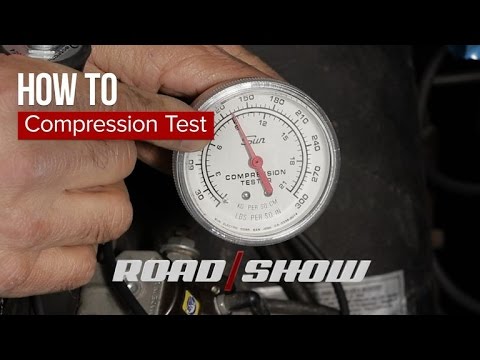
Low compression is another possible problem that can cause misfire fault codes on only one side. A blown head gasket can cause low compression. To determine if you have low compression, remove the spark plugs. Connect a compression gauge to the spark plug holes and crank the engine several times.
Healthy engines should compress over 120 psi per cylinder, with no more than 10 percent variation between the highest and lowest readings. Since the gasoline engine has a spark plug, only moderate compression is enough, requiring about 140 to 160 pounds per square inch (PSI). Depending on their size and application, some engines, such as 220 PSI, may require higher compression.
Wire Harness

A damaged wire harness from the ECU to the ignition coils can also be the culprit. Use a digital multimeter to test your power going to the ignition coil and a good ground connection.
Engine Control Unit

A faulty Engine Control Unit (ECU) can cause multiple random misfire codes. A bad ECU will likely cause misfire codes on all cylinders, but it may affect only specific cylinders in a few rare cases. Symptoms include communication errors and random fault codes.
Mass Air Flow Sensor

Vehicles sometimes have two air intakes, one for each bank. This translates into one Mass Air Flow (MAF) sensor per bank. If one of the MAF sensors fails, it will send the wrong air volume and temperature data to the ECU. Since the ECU has inaccurate data about the air entering that side of the engine, the ECU will calculate the air/fuel ratio incorrectly. This causes the wrong amount of fuel to be sent to the cylinder on one side, which leads to misfire codes on one side of the engine.
Camshaft Position Sensor

The camshaft position sensor tracks the position and speed of the camshaft. The ECU uses this data to adjust the timing, timing of spark, and fuel injection. A bad CPS sensor can trigger misfire codes on one side of the engine.
This guide applies to all makes and models that utilize a V engine, such as V6, V8, V10, and V12. These engines are found in many makes, including Acura, Audi, BMW, Honda, Toyota, Hyundai, Mercedes-Benz, Porsche, Subaru, etc.
It doesn’t apply to vehicles with four-cylinder engines, lines 5 and 6, since they typically have only one catalytic converter. It will apply if your vehicle has two catalytic converters, such as with BMW inline-six engines.
Can a booster vacuum leak cause misfires on only one bank?
Yes, a booster vacuum leak can cause misfires on only one bank. A vacuum leak in the booster system can affect the air/fuel mixture, causing an imbalance and leading to a misfire in one bank of cylinders.
The vacuum booster system is responsible for providing the necessary vacuum pressure to operate various components in the engine, including the EGR valve, PCV valve, and power brake booster. A vacuum leak in any part of this system can cause a loss of vacuum pressure and affect engine performance, resulting in misfires on one bank of cylinders.
A professional mechanic will use diagnostic tools, like a vacuum gauge, a smoke machine, or a digital multimeter, to diagnose and repair a vacuum leak in the booster system.
What would cause a misfire in only one cylinder?
A misfire in only one cylinder can be caused by a variety of factors, including:
- Ignition system problems: A faulty spark plug, ignition coil, or ignition control module can cause a misfire in one cylinder.
- Fuel system issues: A clogged fuel injector or a weak fuel pump can result in insufficient fuel delivery to a cylinder, causing a misfire.
- Vacuum leaks: A vacuum leak can cause an imbalance in the air/fuel mixture, resulting in a misfire in one cylinder.
- Valve train problems: A faulty valve, valve spring, or rocker arm can cause a misfire in one cylinder.
- Engine mechanical issues: A damaged or worn piston, rod, or bearings can cause a misfire in one cylinder.
- Computer problems: A faulty Engine Control Module (ECM) can cause a misfire in one cylinder.
To diagnose the specific cause of a misfire in one cylinder, a professional mechanic will use diagnostic tools such as an OBD-II scanner, a digital multimeter, and a cylinder pressure gauge. Check these troubleshooting and repair guides for more help on your vehicle.
Other causes that affect one bank only
Look at fuel trims first. A lean code for one bank (P0171 for bank 1 or P0174 for bank 2) points to a vacuum leak on that side, such as a cracked intake gasket or hose, or a weak injector supply.
Cam timing on one bank is another common cause on engines with variable valve timing. A stuck VVT solenoid, low oil level, or a stretched chain or guide on that side often sets cam correlation codes (P0016 to P0019) along with the misfires.
Finally, check anything the bank’s coils or injectors share: a fuse, a relay, a power feed, or a connector. Swapping a coil from the misfiring bank to the good bank and seeing whether the misfire follows it is a quick test.
Frequently Asked Questions
What does it mean when all cylinders misfire on one bank?
It points to something that bank shares, such as a vacuum leak, a bank specific MAF sensor, cam timing, a wiring harness, or a catalytic converter problem, rather than every plug and coil failing at once.
Which codes help diagnose a one bank misfire?
Lean codes P0171 or P0174 suggest a vacuum leak on that bank, and cam timing codes P0016 to P0019 point to VVT or timing chain problems.
How can I tell if a coil is causing the misfire?
Swap a coil from the misfiring bank to the other bank. If the misfire moves with the coil, the coil is bad.
Can mixed up connectors cause a one bank misfire?
Yes. After a plug or coil job, check that no coil or injector connectors were swapped between cylinders.
Related Guides
- Oxygen Bank 1 Sensor 2
- Cadillac XT5 3.6L Misfire Diagnosis: Fixing Code P0300 & Check Engine Light
- Nissan Sentra Fault Code P0300 Engine Misfire/ Ignition Coil Replacement
- Ford 2.5L Engine Camshaft Position Actuator Replacement