AWD Malfunction on a 2020 Toyota Sienna: How a $6 Component Caused so much Confusion
Contributed by:

Reviewed/Verified by:

This 2020 Toyota Sienna was a referral from another shop, a few towns away. The work order stated that an All-Wheel Drive warning message was on in the dash, and the referring shop believed the AWD module may need to be reprogrammed. This seemed somewhat unusual, as Toyota vehicles typically do not require reprogramming, but it was not out of the realm of possibility.

My first course of action was to start at the beginning to verify and diagnose the issue myself. To blindly trust the recommendation from another shop would require purchasing a subscription to Toyota’s Technical Information Service (TIS) and performing a health-check scan of all modules with Global Techstream+, Toyota’s official diagnostic software, to determine whether any software updates were available for the 4WD module. A scan with the YOUCANIC full system scanner would typically be enough to diagnose any Toyota fault without the need for expensive subscriptions or tools.

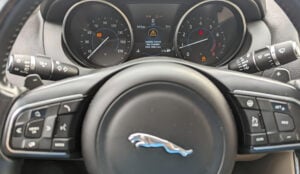
Indeed, the dominant message in the driver’s information display was C1280 “AWD System Malfunction, 2WD Mode Engaged.” However, while running diagnostics on this car, I noticed that the Check Engine Light in the lower-right corner of the instrument cluster was also illuminated.

🔧 Stop paying the dealer for every warning light
Get dealer level diagnostics at home with the YOUCANIC Full System Scanner.
- ✔ Works with all makes and models, including most luxury brands
- ✔ Topology map view shows all vehicle modules on one screen for faster diagnostics
- ✔ Bi directional controls to test fans, pumps, actuators and more so you do not have to guess
- ✔ Special resets and calibrations such as ABS bleed, EPB service, battery registration and more
- ✔ Free lifetime updates with no recurring fees

Warning messages are invaluable clues when diagnosing a vehicle. They provide a starting point and frame of reference for a problem. They can, however, at times lead you astray. The phrase ‘trust but verify’ comes to mind, especially when you get a car that came from another shop. Famously, this phrase was used by President Reagan during the Cold War missile crisis: “accept things at face value, but do your own due diligence to confirm their validity”.

This is not to conflate automotive diagnostics with a nuclear standoff, but there is a parallel. It is common for well-meaning suggestions to be made by co-workers, friends, or relatives when it comes to car repair. Sometimes one of these suggestions turns out to be correct, but more often they don’t pan out.
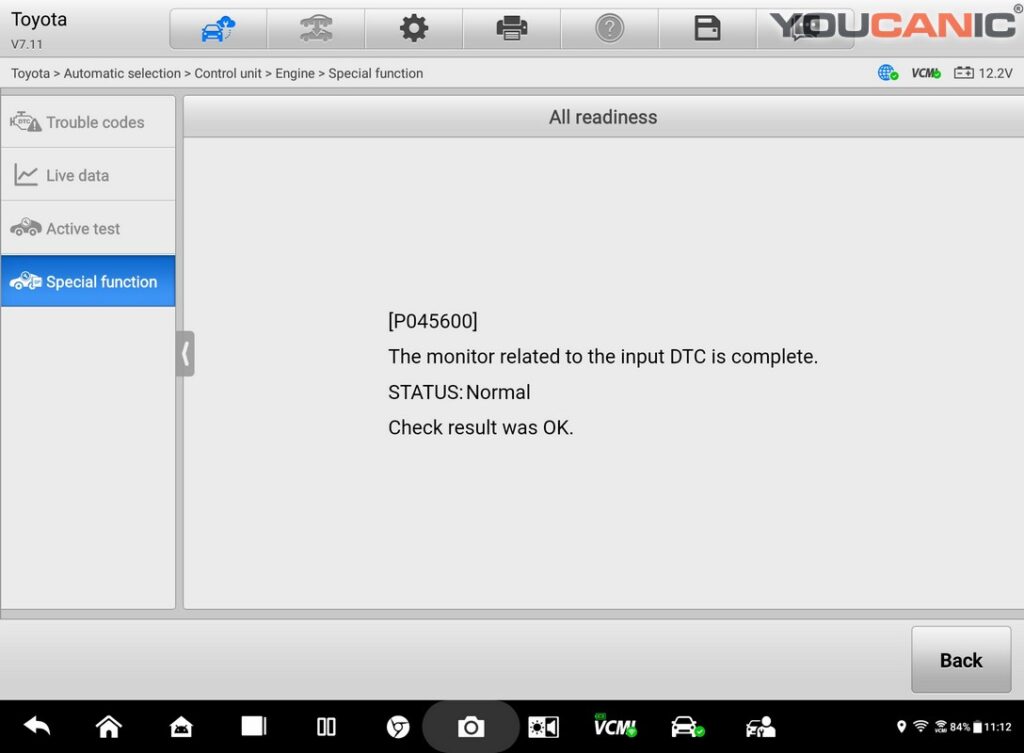
After scanning all the modules, the picture began to be a bit clearer. There was a fault in the 4WD module, C1280, which stated ‘Engine Control System Fault’. This code indicated there was a fault in the engine control module (ECM) that needed to be addressed. When scanning the ECM, I found the code P0456, which is an Evaporative Emissions fault: “Evap. System – very small leak detected.”
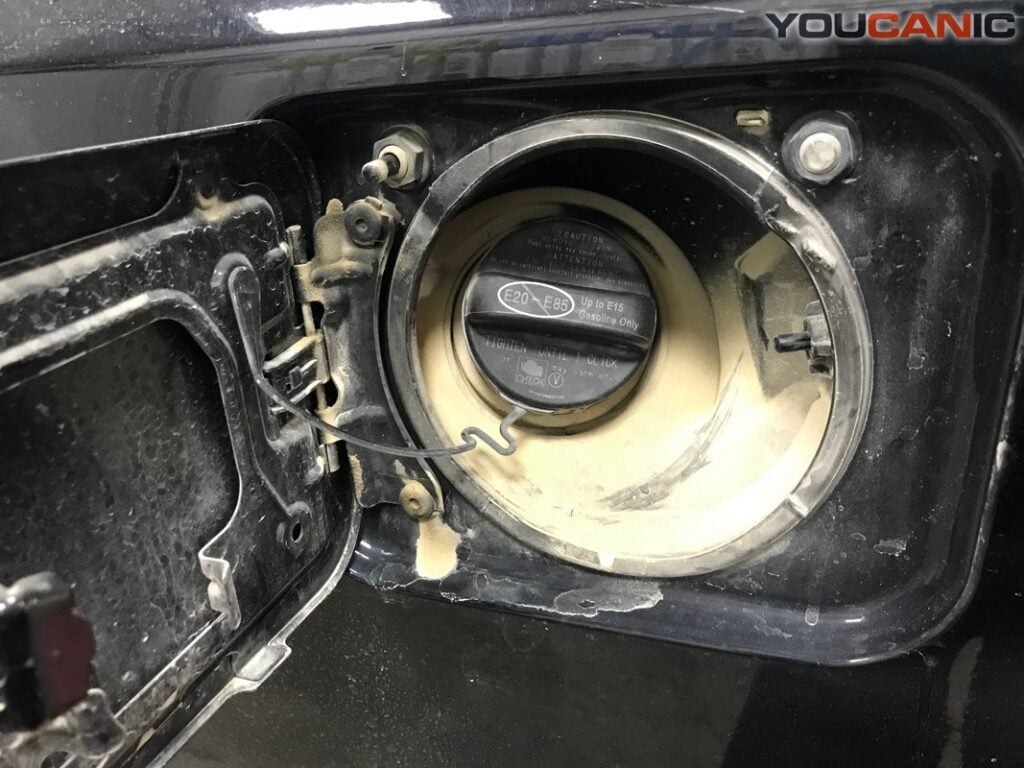
The next step was to assess the Evap. system to determine the location of the leak. This can be done through a visual inspection, smoke testing the system, or through the bi-directional controls on a scan tool.
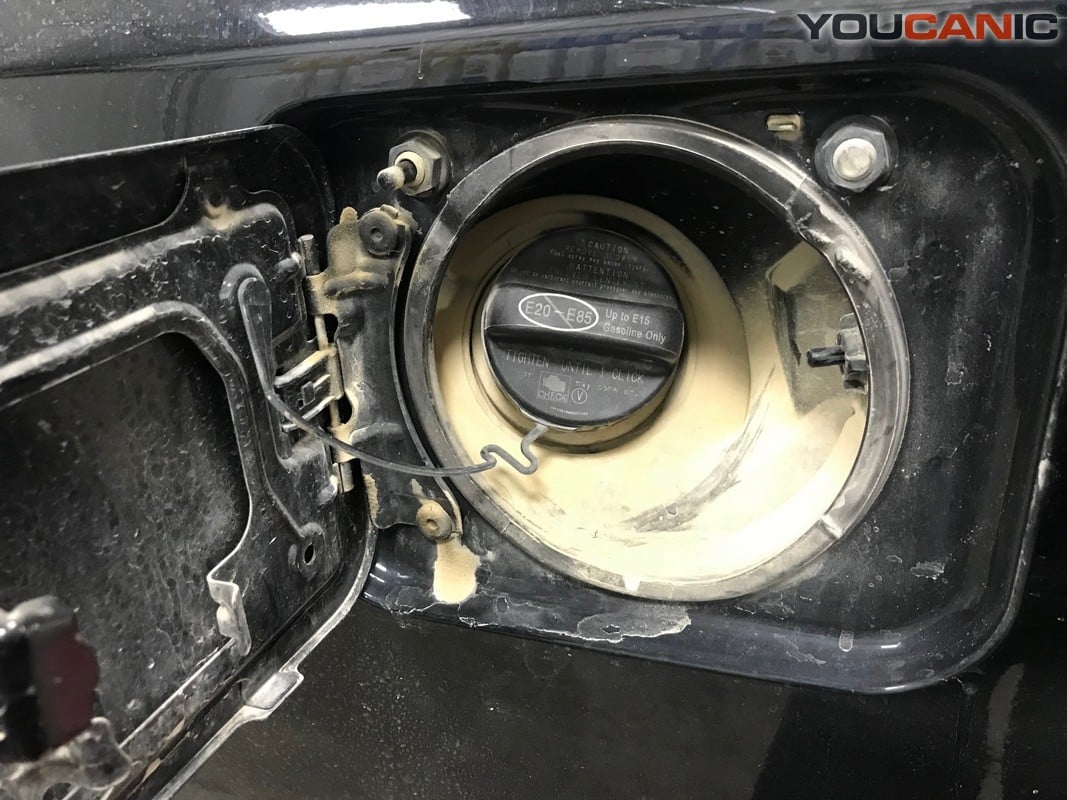
On this Sienna, a simple visual inspection was enough to find the issue. One look at the gas cap was enough to decide what my next step in the repair process should be. The fuel cap was covered in a heavy layer of dust, and there was even gravel dust in the sealing area.
Rural roads are hard on vehicles in many ways. The dust and debris kicked up from driving on gravel can wreak havoc, especially on Evap. Systems. The most logical way to proceed on this vehicle was to replace the fuel cap, clean the area, and run the Evap. Self-test with a scan tool to verify the leak has been fixed.
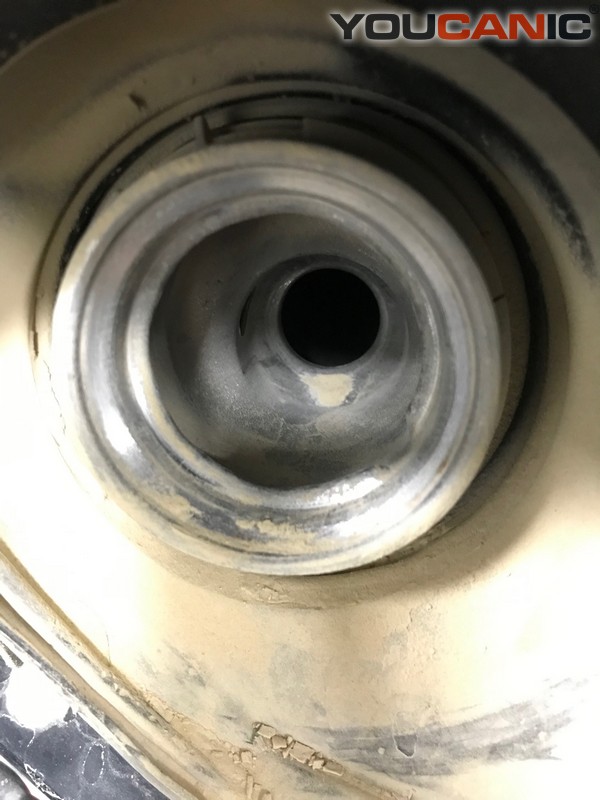
A new fuel cap was ordered from Toyota and installed. The Evap. Self-test passed, confirming that the cause of the P0456 fault had been identified and remedied.
In this case, the AWD message was a byproduct of the fault code stored in the Engine Control Module. This is common on many vehicles: Toyotas can illuminate the Traction Control, ABS, and/or 4WD drive lights when the CEL is on, and Subarus will often illuminate the Cruise light and disable cruise control when the check engine light is on.
Understanding these idiosyncrasies is critical to a proper diagnosis, and having a full system scanner like YOUCANIC UCAN-II that can scan the entire system and run active tests is priceless. In the end, this was a minor issue with an inexpensive repair, but it could have gone in several different directions if a solid, logical diagnostic process had not been followed.