How to Fix a Buick Check Engine Light that Stays On
Reviewed/Verified by:

Is the Check Engine Light on in your Buick? There could be a ton of different reasons the light is on. Before you go tearing your car’s engine apart, find the reason it could be on with an OBD-II scanner first!
At a Glance
- On Buicks with the 3.6 V6, cam correlation codes such as P0008, P0016 or P0017 often mean a stretched timing chain.
- Low or old oil makes timing chain wear worse, so check the level first.
- A flashing light means a misfire; reduce speed and get it checked.
- Evap codes after fueling often come from a loose gas cap.
OBD-II scanners can look for fault codes in the ECU (Electronic Control Unit) to tell you exactly what is going on under the hood. Are you more of a visual learner? Follow along with our video guide!
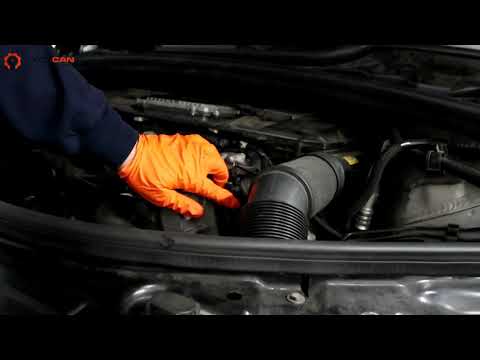
The Buick check engine light (CEL) comes on when the On-Board Diagnostic (OBD) system detects a problem with the engine, transmission, or Evaporative Emission Control (EVAP) system. The Buick check engine light may also be called a Malfunction Indication Lamp (MIL), or might appear on the dashboard as a “Service Engine Soon” message.

🔧 Find out what is actually wrong before you pay someone to guess
Dealer level diagnostics at home with the YOUCANIC UCAN-II Pro.
- ✔ Covers most makes and models, including many luxury brands. Send us your VIN and we will confirm your car before you order
- ✔ Reads every module, not just the engine, so you find the faults a basic reader says are not there
- ✔ Commands the car: test a fan or pump, bleed ABS, retract an electronic parking brake, register a battery
- ✔ No subscriptions. Free lifetime updates, so the price you pay is the whole price
- ✔ Backed by real mechanics in the USA you can email before and after you buy
Featured in The Wall Street Journal

The CEL may come on due to something as simple as a loose or defective gas cap. It can also indicate a more serious problem, such as a transmission issue or an EVAP leak.

The check engine light alone will not tell you what is wrong with your car. The easiest and fastest way to find what is wrong under the hood is by reading fault codes. This guide will teach you how to read these fault codes yourself using an OBD-II scanner.
Symptoms
Common symptoms you may notice:
- The engine runs rough or won’t stay running.
- Check engine light is always on or flashing.
- Engine overheating.
- Lack of power.
- Poor throttle response.
- Engine noise.
- Smoke from the exhaust.
- The vehicle won’t shift gears; stuck in limp mode.
You may not notice any performance symptoms if your Buick check engine light is on due to an EVAP leak.
Common Problems

Common problems that trigger the Buick check engine light to come on include worn spark plugs, a bad oxygen sensor, a faulty MAF sensor, a defective Ignition coil, a clogged catalytic converter, or a loose gas cap.

There are hundreds of possible issues that can trigger the Buick CEL. To find out why your Buick to check engine light is on, read the fault codes with an OBD-II scanner.
- MAF Sensor: Mass airflow (MAF) sensors can become clogged with dirt over time, especially if performance filters are used. A dirty MAF sensor will give false readings, resulting in incorrect air-fuel mixture and engine running issues. Occasionally, dirt buildups can be easily cleaned with a MAF cleaner fluid. Another possibility is a loose connector. Related Code: P0102
- Various vacuum leaks can cause engine running issues, especially at idle or low engine speeds. Tracking leaks can sometimes be difficult, and you may need a smoke-generating machine. Related Code: P0171: system too lean
- Catalytic Converter : Any higher-mileage Buick will likely have emission control issues, triggering a CEL. In most cases, it is either caused by a clogged catalytic converter or a faulty downstream O2 sensor. Related Codes: P0410 and P0420
- Variable Valve Timing Issue : Problems with Variable Valve Timings are quite common on a 3.6L V6 engine. You will notice a lack of acceleration, stalling, and poor throttle response. The problem is usually within the timing chain, which needs to be replaced as soon as possible. Related Code: P0008
- EGR Valve: the EGR-related problem is, in most cases, caused by a carbon buildup within an EGR valve. While this will not generally affect engine performance, you might have higher fuel consumption. Carbon buildup can be cleaned with EGR cleaner spray if not too extreme. Related Code: P0401
- Engine Coolant Temperature Sensor: A bad coolant temperature sensor is a fairly common fault with some Buicks. This will result in false temperature readings on your dashboard, causing rich engine operating conditions. In addition to the sensor, ensure the wiring is not damaged. Related Code: P0115
- Oxygen sensor : O2 sensors may fail, triggering the check engine light to stay on and fuel efficiency to decrease. O2 sensors monitor oxygen levels in the exhaust, which helps the engine control unit determine the fuel mixture. An engine control unit can determine whether the fuel mixture is rich (less oxygen) or lean (more oxygen).
How to Reset Buick Check Engine Light
The following steps will help you learn how to diagnose and reset the Buick check engine light.
For this procedure, you will need an OBD-II scanner. If you don’t have a scanner, you can purchase one online or stop by your local auto parts store to have the codes read for free.
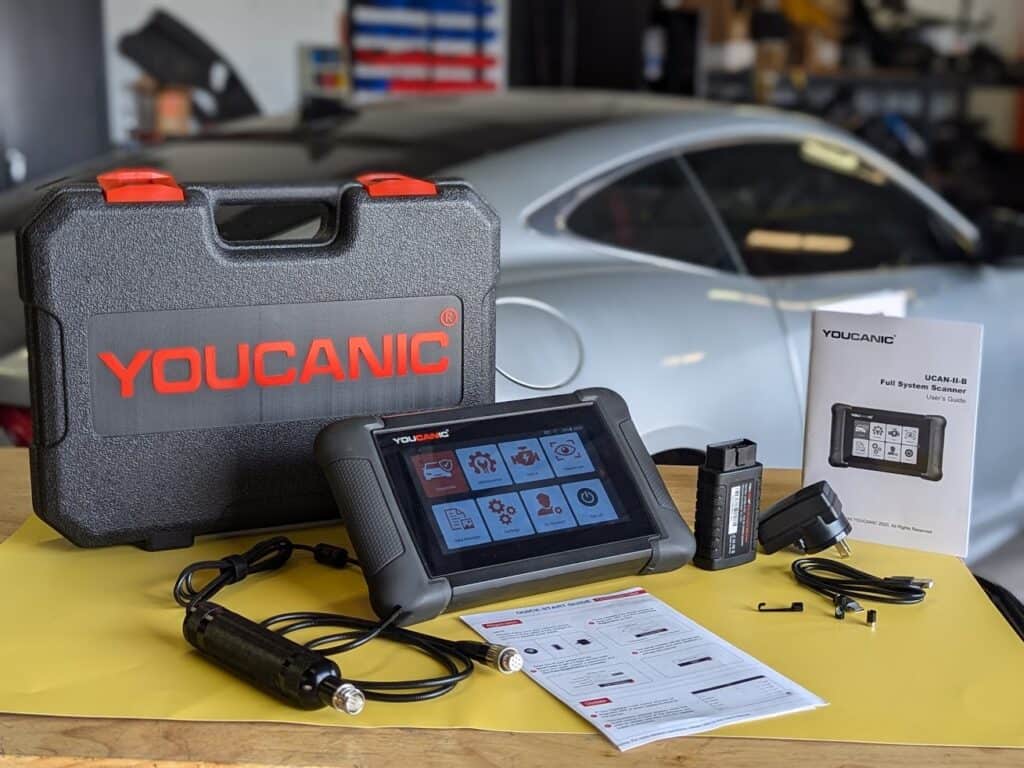
- Park the Buick and turn off the ignition. Set the parking brake.

- Locate the OBD-II port under the dashboard and plug in your OBD-II scanner.
- Turn on the ignition, but do not start the engine.
- Allow the scanner to turn on and communicate with the vehicle.
- Read the codes by pressing Read Codes or Read Fault Codes on your OBD-II scanner, depending on the scanner. Reach each code to learn more about possible codes. To clear the CEL, you must fix the underlying problem before resetting it.


Fix all issues found in step five. Go to the main menu and select Clear Fault Codes, then click OK.
These instructions will work on Buick models from 1996 onward, including the Enclave, Lesabre, Lacrosse, Verano, Regal, Lucerne, Rendezvous, Park Avenue, Allure, and Encore.
What does it mean when a Buick Check Engine Light Flashes On and Off?
One problem that must never be ignored is a check engine light flashing, especially if accompanied by engine shaking and juddering. An intermittent CEL indicates an engine misfire, which can damage the catalytic converter and other engine components.
Driving the vehicle is not recommended if the check engine light is flashing. Common problems that can cause the Buick CEL to flash on and off include old spark plugs, a bad ignition coil, a bad mass airflow sensor, or a clogged catalytic converter.
Conclusion

Buick check engine light or “service engine soon” message may come on for many reasons.
The first step is to check and tighten the gas cap. The check engine light may require a couple of days to reset. An OBD-II scanner can be used to reset it as soon as you tighten the gas cap.
If the gas cap is not loose or damaged, the next step is to read the fault codes using an OBD-II scanner. You can take your car to a workshop for a complete diagnosis or get your scan tool. These devices come in all shapes, sizes, and prices.
Check these troubleshooting and repair guides for more help on your Buick.