How to Read and Erase Infiniti Fault Codes with OBD-II Scanner
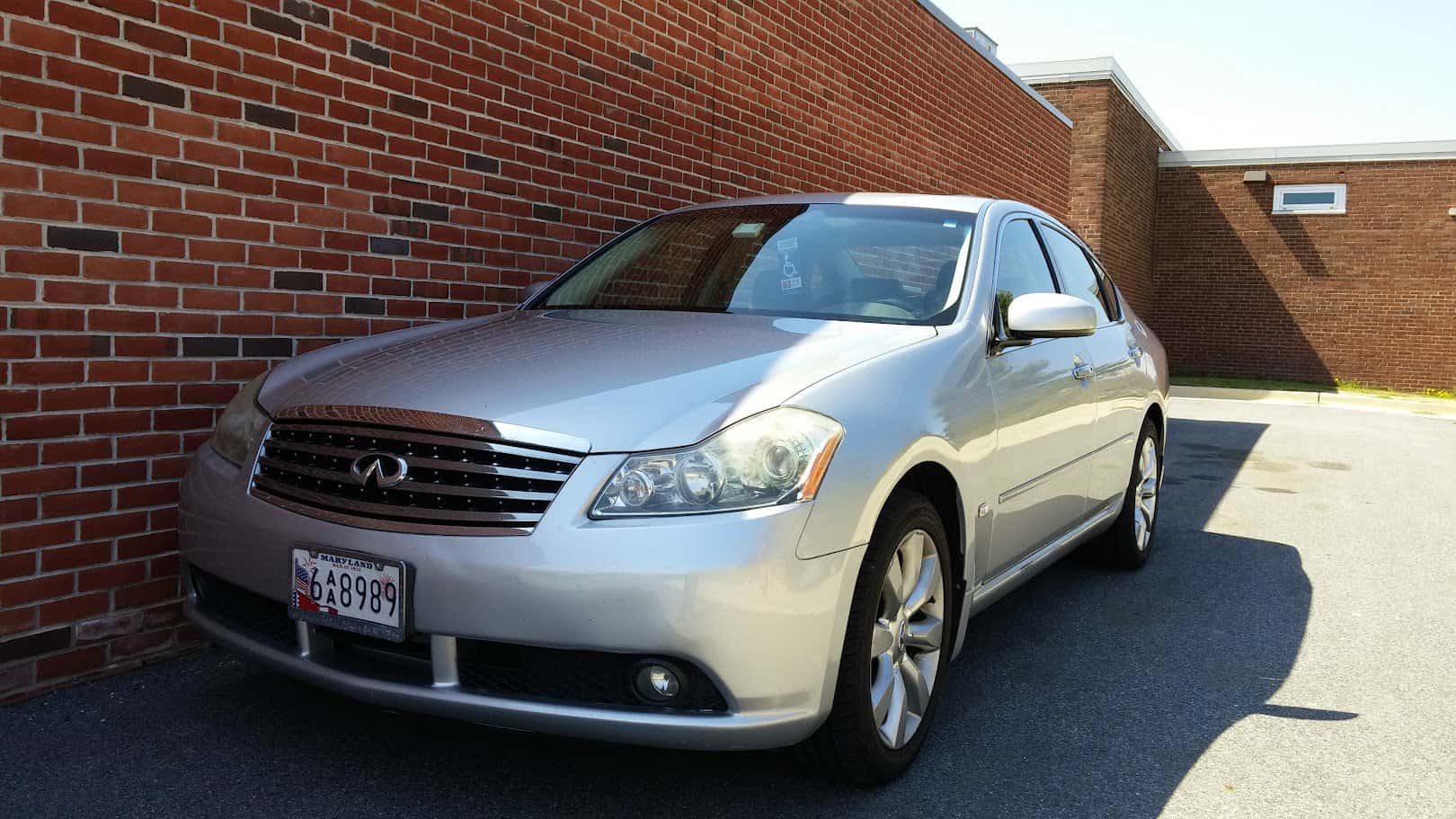
This guide is your crucial resource for maintaining Infiniti vehicles, focusing specifically on reading and clearing fault codes. Infiniti vehicles have various sophisticated systems, including the engine, airbag, ABS, traction control, air conditioning, and transmission. Each system plays a vital role in your vehicle’s overall performance and may display fault codes on the dashboard when issues arise. Our guide provides a detailed roadmap for understanding and addressing these codes across the entire Infiniti lineup, from the elegant Q50 to the formidable QX80 and all models. It caters to both owners of the timeless G-series and enthusiasts of the newest QX models. Mastering the interpretation and resetting of these codes is essential for the smooth operation of your Infiniti. We invite you to explore this guide as we guide you through the intricate process of diagnosing and maintaining your Infiniti’s complex systems, ensuring a driving experience that is both safe and enjoyable.
Reading and Clearing Fault Codes in your Infiniti: Step-by-Step
Deciphering your Infiniti’s health is simple with an OBD-II scanner. This guide walks you through reading and clearing fault codes across various Infiniti models, including the QX50, QX55, and more. Connect the scanner to the diagnostic port, which will display key fault codes, guiding you to maintain your vehicle’s optimal performance. Ready to become your own car’s expert? Let’s get started.
- Gather the necessary tools: Equip yourself with a Professional-Grade OBD-II Scanner compatible with your Infiniti. Click Here for our Professional-Grade YOUCANIC Scanner

- Access the OBD-II Port: This port is usually found near the steering column under the dashboard. The OBD-II port is the gateway to your car’s diagnostic information. Turn the ignition key to the “ON” position without starting the engine to make a connection with the vehicle’s computer. If your Infiniti has a START/STOP feature, press the button without pressing the brake pedal. Do not start the engine. If you are unsure of the OBD-II port of your vehicle, you can always check the Car Owner’s Manual.

- Turn on the ignition, but do not start the engine.
- Access the Diagnostic Menu: On the YOUCANIC scanner’s display, navigate to the “Diagnostic” or “Scan” menu. This menu allows you to access various diagnostic functions for your Infiniti.

- Select ‘Infiniti’ as the Vehicle Make: This ensures the scanner effectively communicates with the Infiniti On-Board Diagnostic system and effectively scans the fault codes.
- Select option for model selection: The scanner has various options for model selection. You can choose SmartVIN to detect your vehicle automatically. However, you choose Manual Selection if SmartVIN does not work as intended.
- Select the Specific Model and Chassis: After selecting the vehicle make, scroll through the available models and select the correct one for your Infiniti. Choose the corresponding chassis or body type to properly sync the scanner to your vehicle. Click here to learn more about your Infiniti’s VIN.

- Select Control Units: Once you have selected the model and chassis, the scanner will let you choose between “Quick scan” or “Control Modules.” Control Modules display a list of control units or modules in your vehicle. Examples include the engine control module (ECM), transmission control module (TCM), and ABS control module. Choose the specific module you want to diagnose. Otherwise, you can also choose the “Quick Scan” to check everything.
- Interpret the Codes: Once the YOUCANIC scanner completes the code retrieval process, the displayed codes will provide information about specific issues detected by the control unit. Take note of these codes for further analysis and diagnosis. Each DTC consists of a letter and four numbers. The letter indicates the system affected, while the numbers describe the issue more specifically. Click here to learn more about fault codes.
- Erase Codes: After the problem has been repaired, return to the scanner’s menu and select the option to “Erase Codes” or “Clear Codes.” This action removes the stored fault codes from the control unit’s memory, indicating that the problem has been resolved. Please note that you may or may not erase a code when the issue is not fixed.
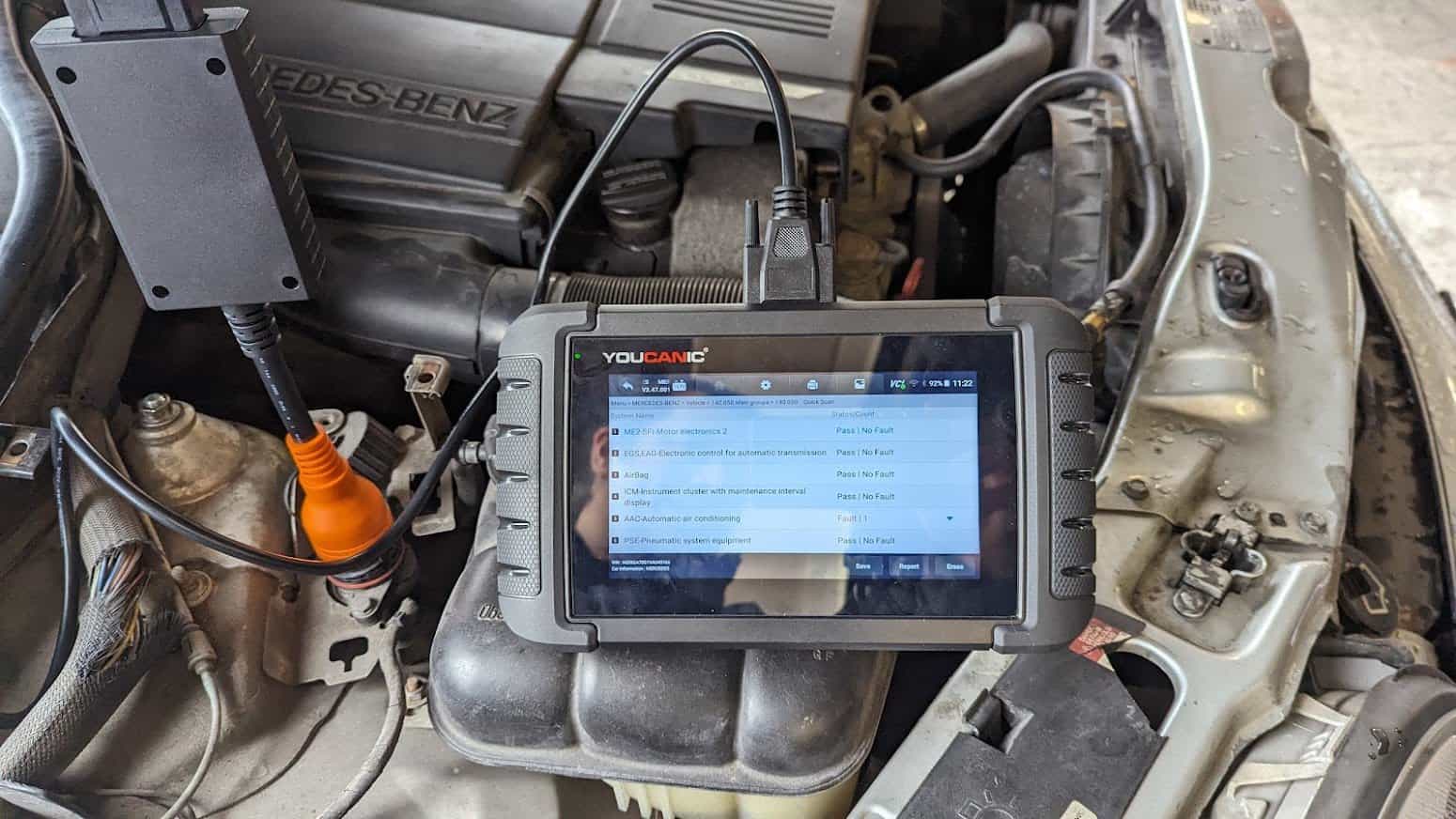
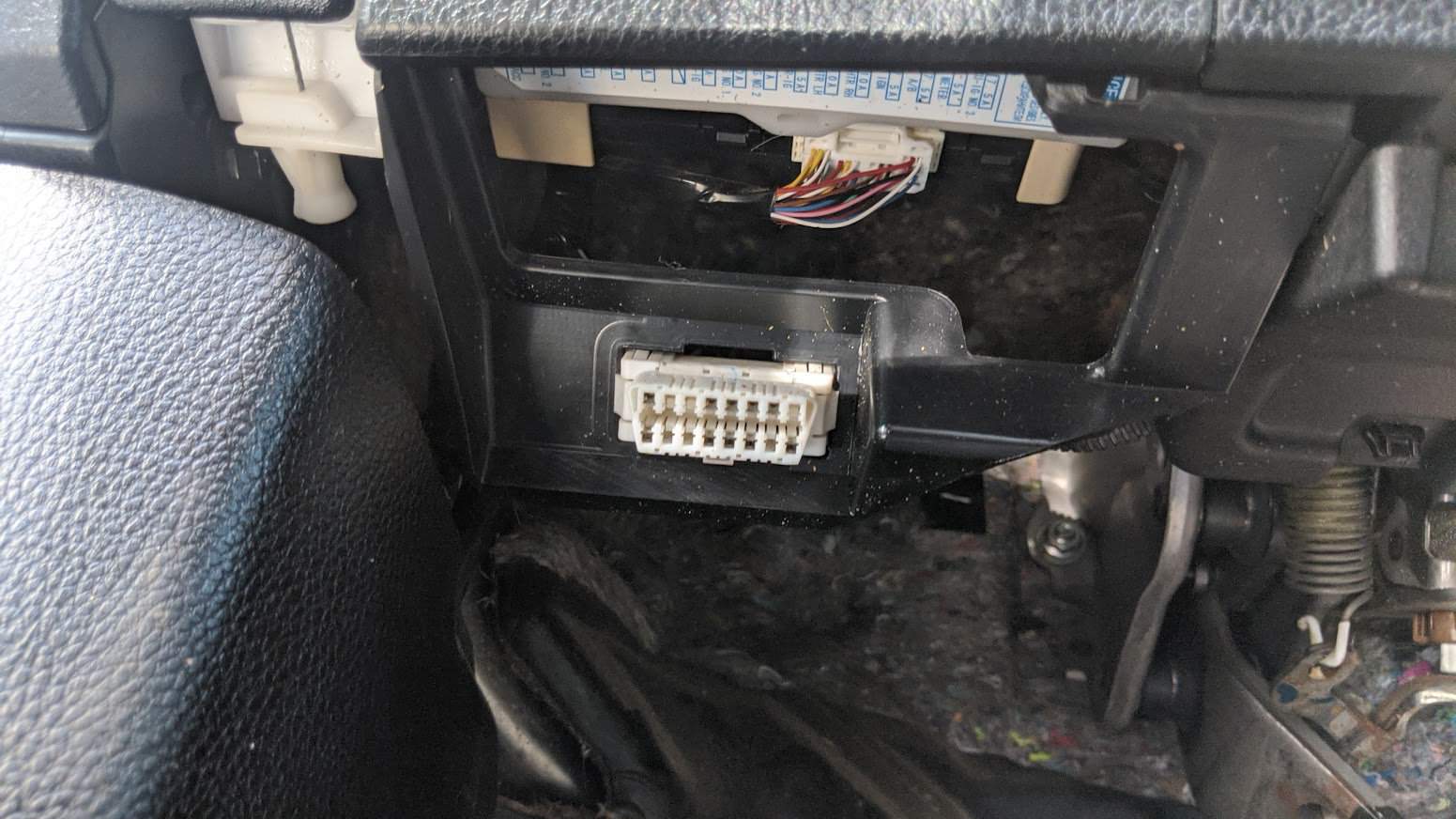


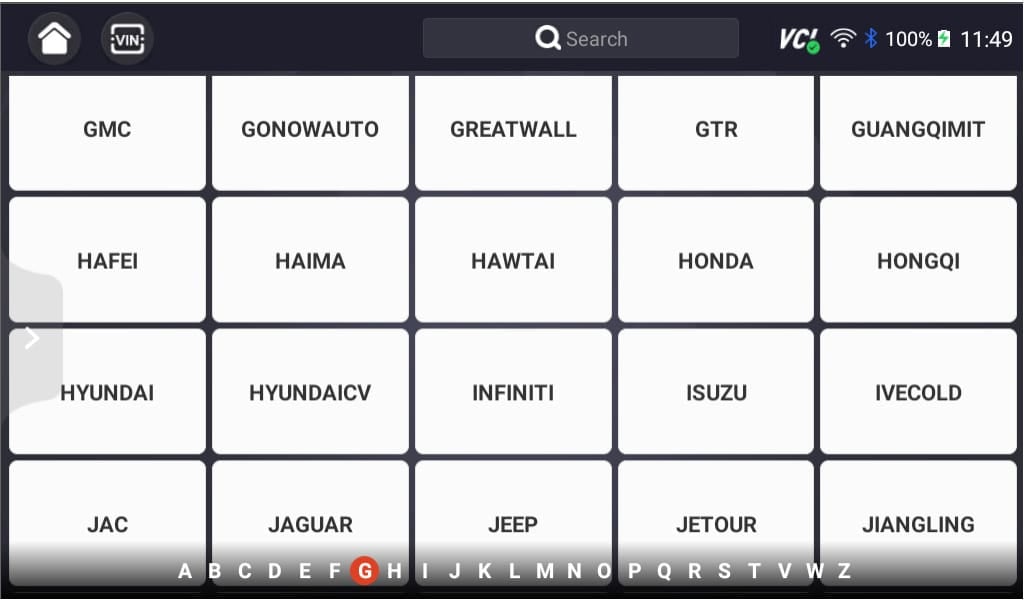
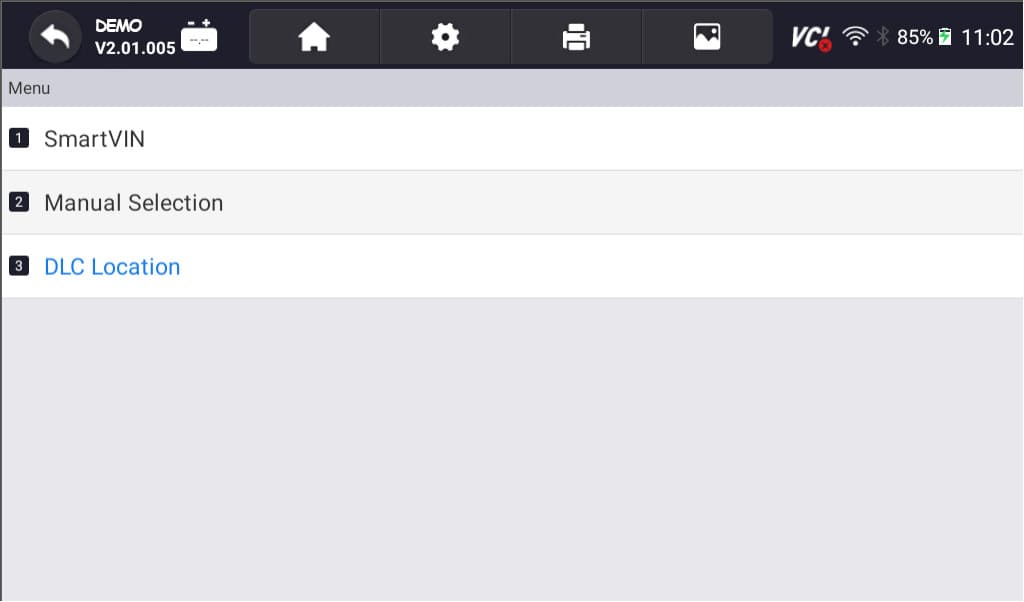
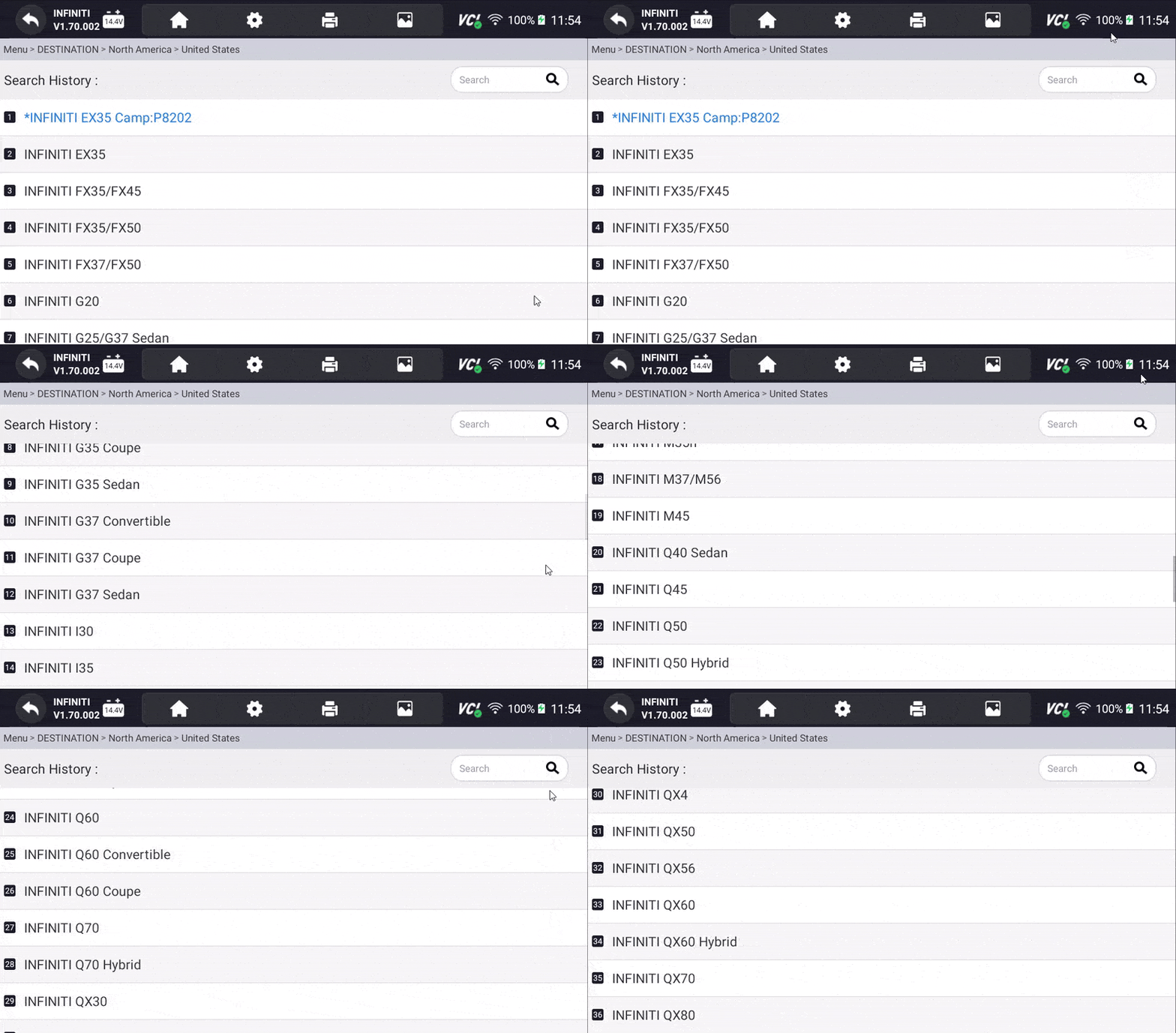


NOTE: These pictures are just the demo of our YOUCANIC Scanner. It may or may not be the same, but the procedure is the same.

🔧 Stop paying the dealer for every warning light
Get dealer level diagnostics at home with the YOUCANIC Full System Scanner.
- ✔ Works with all makes and models, including most luxury brands
- ✔ Topology map view shows all vehicle modules on one screen for faster diagnostics
- ✔ Bi directional controls to test fans, pumps, actuators and more so you do not have to guess
- ✔ Special resets and calibrations such as ABS bleed, EPB service, battery registration and more
- ✔ Free lifetime updates with no recurring fees
Common Fault Codes
Here is a list of common Infiti fault codes and possible causes:
- P0300 – Random/Multiple Cylinder Misfire Detected
- Possible causes: Faulty spark plugs, ignition coils, or imbalanced air/fuel mixture.
- P0420 – Catalyst System Efficiency Below Threshold (Bank 1)
- Possible causes: Faulty catalytic converter, oxygen sensors, or exhaust leaks.
- P0171 – System Too Lean (Bank 1)
- Possible causes: Vacuum leaks, faulty fuel injectors, or a defective mass airflow sensor.
- P0455 – Evaporative Emission Control System Leak Detected (gross leak)
- Possible causes: Loose fuel cap, damaged EVAP canister, or faulty purge valves.
- P0442 – Evaporative Emission Control System Leak Detected (small leak)
- Possible causes: Holes or tears in the EVAP hoses, loose fuel cap.
- P0340 – Camshaft Position Sensor ‘A’ Circuit (Bank 1 or single sensor)
- Possible causes: Faulty camshaft position sensor, wiring issues, or timing chain problems.
- P0430 – Catalyst System Efficiency Below Threshold (Bank 2)
- Possible causes: Similar to P0420 but for Bank 2.
- P0138 – O2 Sensor Circuit High Voltage (Bank 1 Sensor 2)
- Possible causes: Faulty oxygen sensor, wiring short to power, exhaust leak.
- P0011 – ‘A’ Camshaft Position Timing Over-Advanced or System Performance (Bank 1)
- Possible causes: Dirty oil, faulty VVT solenoid, or camshaft phaser issues.
- P0021 – ‘A’ Camshaft Position Timing Over-Advanced or System Performance (Bank 2)
- Possible causes: Similar to P0011 but for Bank 2.
- P0101 – Mass Air Flow (MAF) Circuit Range/Performance Problem
- Possible causes: Dirty or faulty MAF sensor, air leaks in the intake system.
- P0113 – Intake Air Temperature Sensor 1 Circuit High
- Possible causes: Faulty or disconnected intake air temperature sensor.
- P0128 – Coolant Thermostat (Coolant Temperature Below Thermostat Regulating Temperature)
- Possible causes: Stuck open thermostat, low coolant level.
- P0135 – O2 Sensor Heater Circuit (Bank 1 Sensor 1)
- Possible causes: Faulty oxygen sensor heater, wiring, or connector issues.
- P0141 – O2 Sensor Heater Circuit (Bank 1 Sensor 2)
- Possible causes: Similar to P0135 but for the downstream sensor.
- P0325 – Knock Sensor 1 Circuit (Bank 1)
- Possible causes: Faulty knock sensor, wiring or connector issues, engine mechanical problems.
- P0335 – Crankshaft Position Sensor ‘A’ Circuit
- Possible causes: Faulty crankshaft position sensor, wiring issues, or damaged reluctor ring.
- P0441 – Evaporative Emission Control System Incorrect Purge Flow
- Possible causes: Faulty purge valve, EVAP system leak, blocked vent valve.
- P0456 – Evaporative Emissions System Small Leak Detected
- Possible causes: Minor leaks in the EVAP system and faulty gas cap seal.
- P1273 – Air Fuel Ratio Sensor 1 Lean Shift Monitoring (Bank 1)
- Possible causes: Faulty air-fuel ratio sensor, exhaust leaks, or fuel system issues.
Each code can have multiple causes and might indicate more than one issue with your Infiniti. It’s always advisable to have a professional technician diagnose and repair your vehicle to ensure accurate and safe resolution of these issues.
Is it okay to always check my DTCs?
Regularly scanning your Infiniti for DTCs is akin to giving your vehicle a check-up. It’s recommended to scan your car at least once a year or more frequently if you notice any performance issues or warning lights illuminating.
Why do I Need to scan my Infiniti?
There are several reasons why you should scan your vehicle for fault codes:
- To identify the source of the problem. Fault codes can help you pinpoint the specific problem with your vehicle. This can save you time and money on repairs
- To prevent further damage. Ignoring fault codes can lead to further damage to your vehicle and be dangerous.
- It can improve fuel efficiency, and fixing problems causing fault codes can improve a vehicle’s fuel efficiency depending on the malfunctioned part.
- To pass emission testing in some states, you may be required to have your vehicle scanned for fault code before you can pass emission testing.
Why can’t I clear the codes of my Infiniti?
Once you’ve identified the DTCs, you may be tempted to clear them, hoping to continue driving your Infiniti, and the problem magically disappears. While clearing the codes can temporarily remove the “Check Engine” light, it doesn’t address the underlying issue. It will always come back. Here are also some lists of why you cannot clear the codes of your Infiniti:
- Use a Professional-Grade Scanner: Ditch the generic scanner and upgrade to a professional-grade one like the YOUCANIC scanner. Generic scanners are like trying to open a Ferrari with a Ford key – it won’t work! YOUCANIC, on the other hand, is like the master key to your Infiniti’s diagnostics, unlocking hidden diagnostic powers and letting you clear codes that would otherwise remain stubborn and hidden.
- Underlying Issues: Before clearing fault codes, remember to address the underlying issue that triggered them in the first place. Clearing codes is like patching a leaky pipe without fixing the cracked valve – it’s just a temporary fix. The ‘check engine’ light will surely come back and haunt you.
- Continuous Fault Monitoring: Like the SRS system, certain fault codes may be cleared by disconnecting the battery (like a reset). They will reappear even after clearing until the root cause is resolved. It is a persistent reminder to fix the problem, not just mask it.
- Proper Clearing Procedure: Following the correct steps outlined in your diagnostic scanner’s user manual is essential to clear fault codes effectively. If unsure about the clearing procedure, consult a professional for guidance specific to your scanner and Infiniti model.
What happens when I ignore the fault codes?
It can lead to several problems, like further damage to your vehicle, because the problem causing the fault code may get worse and cause further damage. Ignoring fault codes can lead to increased emissions, harming the environment.
Failure to pass emission testing could happen if you ignore fault codes. You may not be able to pass the emission testing in your state.
What do Historical, current, and stored DTCs do?
- History: These codes indicate past issues that have resolved themselves or are no longer causing the “Check Engine” light to illuminate. They typically do not require immediate attention.
- Current Codes: These codes represent the current or active problems that require immediate diagnosis. It indicates a present issue or malfunction in a specific system or component of the vehicle that needs to be addressed. They will remain displayed until the underlying issue is resolved.
- Stored Codes: These codes are inactive but remain stored in the computer’s memory, recording previous issues. These can provide additional information about past issues as a historical reference for previous faults. While they may not be active, they can offer insights into the vehicle’s history and aid in the diagnostic process.
Please click here to learn more about the history, current, and stored DTCs.
What is the purpose of Live Data and Freeze data?
Live data allows you to monitor real-time sensor readings, providing valuable insights into the car’s operation. On the other hand, Freeze frame data captures a snapshot of vehicle conditions when a fault code is triggered. Analyzing this data provides context and aids in pinpointing the root cause of the issue.
Frequently Asked Questions
Can I clear DTCs myself?
Yes! While clearing DTCs can temporarily turn off the “Check Engine” light, it doesn’t address the underlying issue. It’s recommended to have a qualified mechanic diagnose and repair the problem first before you clear all the codes. You can also ask for professional assistance.
How Often should I check for DTCs?
Regularly checking for DTCs can help you identify potential issues early on, preventing more grave problems. You can also use it whenever a check engine light illuminates to diagnose or check why your car is acting up.
What are the benefits of using a professional-grade scanner?
Professional-grade scanners provide more detailed information, manufacturer-specific codes, guided diagnostics, and component testing capabilities, making them a valuable tool for accurate diagnosis and repair.
What are the most common Infiniti DTCs?
The specific DTCs vary depending on the vehicle’s model and year. However, some common ones include P0171 (system too lean), P0304 (cylinder four misfires detected), and P0422 (catalyst system efficiency below threshold).
References
- Our History – INFINITI
Vehicle History: How It All Began | INFINITI - What Is an OBD2 Scanner and How Does It Work?
What Is an OBD2 Scanner and How Does It Work? | The Drive - DTC Fault Codes
DTC Fault Codes – YOUCANIC - What Does the Check Engine Light Look Like, and What Does It Mean?
What Does the Check Engine Light Look Like, and Really Mean? – Consumer Reports - Current / Stored / Active / Past / History Fault Codes Explained
Current / Stored / Active / Past / History Fault Codes Explained – YOUCANIC